
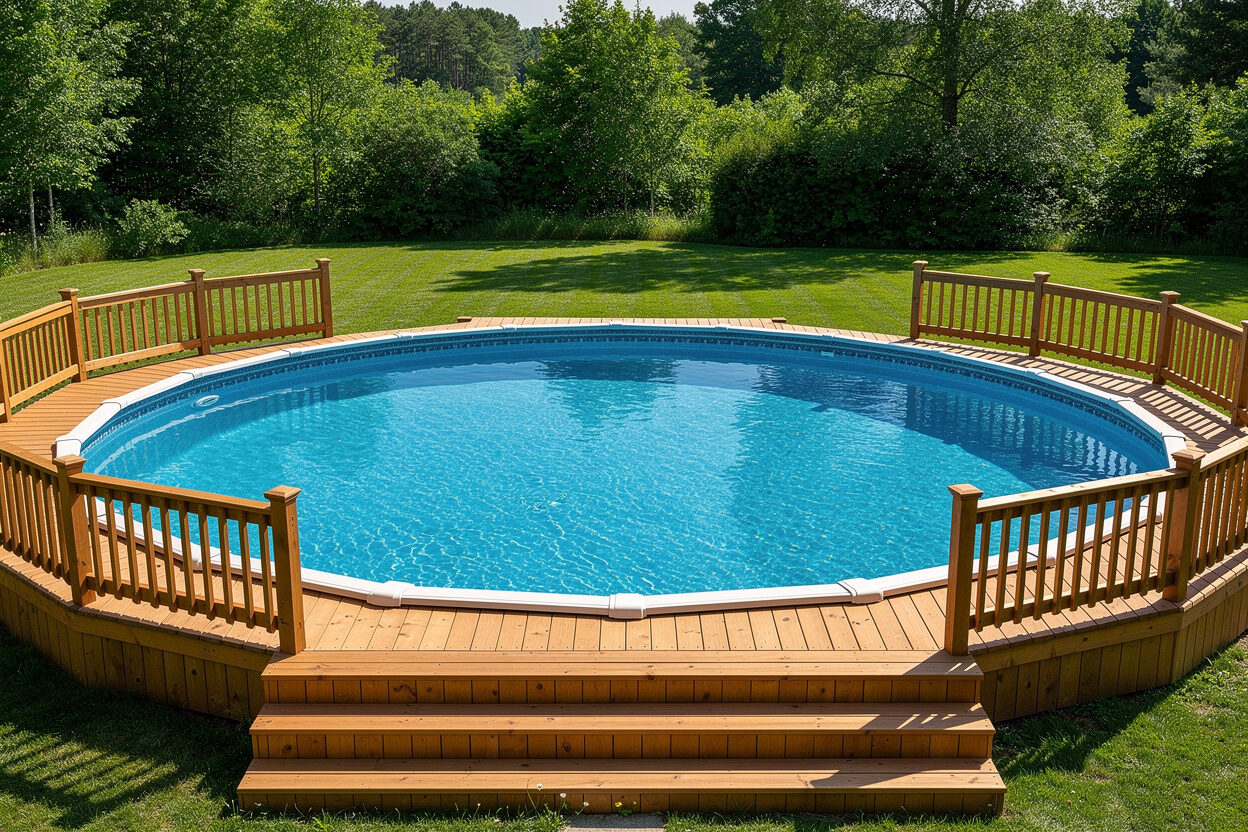
Above Ground Pool Owner's Complete Guide 2026 - Install & Maintain
Quick Answer
Above ground pools require proper installation on level ground, regular liner maintenance (lasting 6-10 years), and balanced water chemistry with chlorine levels based on CYA. This comprehensive guide covers everything from DIY installation to winterization and troubleshooting common issues.
Quick Overview / TL;DR
Ignore proper installation and maintenance, and your above ground pool investment quickly becomes a $5,000 backyard eyesore plagued by collapsed walls, green water, and costly repairs. Key points:
- Installation: You can install above ground pools yourself with proper site preparation and level ground
- Liners: Pool liners last 6-10 years and are essential for holding water
- Chemistry: Maintain free chlorine at levels appropriate for your CYACyanuric Acid (stabilizer) — Sunscreen for your chlorine — it keeps sunlight from burning it off. The catch: the more you have, the more chlorine you need to keep. learn more → (stabilizer), pH 7.4-7.6, and proper alkalinity
- Filters: Cartridge filters last 1-4 weeks between cleanings and typically need replacement every 1-3 years (condition-based, not on a fixed annual schedule)
- Winterization: Pools can stay up year-round with proper winterization
Complete Above Ground Pool Installation Guide
Site Preparation and Requirements
Proper installation is crucial for your pool's longevity and safety. Above ground pool installation begins with selecting the right location and preparing the ground.
Location Requirements:
- Maintain proper distance from house - typically 10+ feet
- Choose level ground or prepare to level the area
- Ensure access for maintenance equipment
- Consider sunlight exposure and wind patterns
- Check local codes for fence requirements
Ground Preparation
Sand under above ground pools provides excellent leveling and protection, though it's not always required. Here's the preparation process:
- Clear and level the area (within 1 inch across the diameter)
- Remove all grass, roots, and debris
- Compact the soil thoroughly
- Add and level sand base if desired (2-3 inches)
- Install ground cloth or pool pad
DIY Installation Process
Most homeowners can install above ground pools themselves with patience and the right tools. The process typically takes 1-2 days:
- Assemble the bottom track/rail system
- Install uprights and connect top rails
- Install skimmer and return fittings
- Install and smooth the pool liner
- Begin filling while adjusting liner placement
- Install filtration system and accessories
Pool Liner Guide - Your Pool's Foundation
Why Pool Liners Are Essential
Above ground pools absolutely need liners to hold water and protect the pool structure. The liner acts as a waterproof barrier and provides the finished interior surface.
Not all pool types require liners - concrete and fiberglass pools have built-in surfaces, but vinyl above ground pools depend entirely on their liners for water containment.
Liner Lifespan and Quality
Understanding how long above ground pool liners last helps you budget for replacements. Quality factors include:
- Thickness: 20-mil minimum, 25-30 mil preferred
- Material: Virgin vinyl vs. recycled content
- UV protection: Prevents premature deterioration
- Pattern and color: Darker colors hide dirt better
Winter conditions can affect liner lifespan, but properly maintained liners typically last 6-10 years in above ground pools.
Liner Installation and Replacement
Installing above ground pool liners yourself is possible with patience and the right approach:
- Drain the pool completely
- Remove old liner and inspect pool structure
- Clean and prepare the pool bottom
- Install new liner starting at one side
- Smooth out wrinkles as you work around
- Begin filling slowly while adjusting liner
- Trim excess liner after pool is full
Liner Maintenance and Repair
Pool liners can be repaired for small tears and holes. Properly applied patches last 2-5 years.
Signs your liner needs attention:
- Visible tears or punctures
- Persistent water loss
- Wrinkles that won't smooth out
- Fading or brittleness
- Shrinkage from chemical imbalance or cold
Liner Reuse and Recycling
When replacing liners, consider environmental options. Pool liners can sometimes be reused if they're in excellent condition and less than 5 years old.
Pool liners can be recycled through specialized programs, though standard curbside recycling won't accept them.
Water Chemistry and Chemical Balance
Essential Chemical Parameters
Proper water chemistry protects both swimmers and pool equipment. Here are the key parameters for above ground pools:
- Free Chlorine (FCFree Chlorine — The chlorine actively sanitizing your water right now. This is the number you keep an eye on. how much you need →): Minimum depends on CYA level - use the all-in-one pool calculator for an estimate of the free chlorine for your CYA
- pH: 7.4-7.6 ideal for chlorine effectiveness and comfort
- Total Alkalinity (TATotal Alkalinity — The buffer that keeps your pH from bouncing around. Get this in range and pH gets a lot easier to manage. learn more →): 80-120 ppm for regular pools, 60-80 for salt systems
- Calcium Hardness (CH): 175-225 ppm for vinyl liner pools
- Cyanuric Acid (CYA): 30-50 ppm for regular chlorine, 70-80 for salt systems
Chlorine Requirements
Chlorine is absolutely necessary for above ground pools to kill bacteria, algae, and other harmful microorganisms.
Best chlorine practices:
- Use liquid chlorine (sodium hypochlorite) for SLAMShock Level And Maintain — raise free chlorine to a target based on your CYA and hold it there until the algae is gone. It's a process, not a one-time dose. the SLAM walkthrough → treatments
- Avoid dichlor/trichlor for regular maintenance (adds CYA)
- Always dissolve granular shock before adding
- Shock at night when UV won't destroy chlorine
Salt Water Conversion
Above ground pools can be converted to salt water, but you must verify liner compatibility and install appropriate equipment.
Salt water considerations:
- Requires salt-compatible liner and metal components
- Initial investment in salt chlorine generator
- Lower ongoing chemical costs
- Gentler on skin and eyes
Shocking Your Pool
Regular shocking eliminates chloramines and kills algae. You can shock without running the filter, but ensure proper circulation through manual brushing or waiting for normal circulation.
SLAM Process (Shock Level And Maintain):
- Test and record current chemical levels
- Calculate shock level based on CYA using the all-in-one pool calculator
- Add liquid chlorine to reach shock level
- Maintain shock level 24/7 until water is clear
- Test every few hours and add chlorine as needed
Filtration System Guide
Filter Types and Lifespans
Above ground pools typically use cartridge, sand, or DE filters. Understanding how long pool filters last helps with maintenance planning:
- Cartridge filters: 1-4 weeks between cleanings, replace every 1-3 years
- Sand filters: 5-7 years for sand media
- DE filters: Grids last 5-10 years; powder is recharged after each backwash
Pump Maintenance
Above ground pool pumps typically last 5-10 years depending on quality and maintenance. Signs of pump problems:
- Reduced water flow
- Unusual noises
- Frequent tripping of electrical breaker
- Leaking around seals
When to Replace Filters
You need a new filter when cleaning no longer restores proper flow, or if the filter media is damaged.
Signs your cartridge filter needs replacement:
- Brown or gray discoloration that won't clean out
- Frayed or damaged pleats
- Shortened time between cleanings
- Reduced water flow even when clean
Seasonal Care and Winterization
Year-Round Pool Maintenance
Above ground pools can stay up all year with proper winterization. This eliminates the need for annual setup and takedown.
Winterization Process
Proper winterization protects your pool through freezing weather:
- Balance water chemistry one final time
- Clean pool thoroughly and vacuum
- Lower water level 4-6 inches below skimmer
- Remove and store removable equipment
- Add winterizing chemicals
- Install winter cover securely
Most pools shouldn't be fully drained for winter - only lower the water level below the skimmer line.
Closing Preparations
When preparing to close your pool, remove skimmer baskets and accessories but leave the skimmer housing in place.
Properly winterized pools can stay closed 6-8 months safely, making them perfect for seasonal climates.
Depth and Safety Considerations
Standard Pool Depths
Above ground pools typically range from 48-54 inches deep, with 52 inches being the most popular choice. This depth provides:
- Safe swimming for most adults
- Good water volume for chemical stability
- Manageable maintenance access
- Reasonable heating costs
Safety Requirements
Pool safety is paramount, especially for families with children. Most areas require pool fences for pools 18+ inches deep, with specific height and gap requirements.
Troubleshooting Common Issues
Pool Leaks
Pools can leak from various sources including liner damage, plumbing issues, or equipment failures. Most pools lose 1-2 inches per week to evaporation, so greater loss indicates a leak.
Water Level Management
How long a pool can safely sit empty depends on groundwater, not a fixed calendar—hydrostatic pressure can shift or pop a shell even within a day, and vinyl liner pools face immediate risks from ground pressure and UV damage.
Draining above ground pools requires careful planning and appropriate pumping equipment.
Green Water and Algae
Green water indicates algae growth from inadequate sanitation. Treatment involves:
- Test and balance water chemistry
- Begin SLAM process
- Brush pool surfaces thoroughly
- Run filter continuously
- Maintain shock level until clear
When to Call a Professional
While many above ground pool tasks are DIY-friendly, some situations require professional help:
- Electrical work for pumps and lighting
- Major structural repairs
- Persistent water chemistry problems
- Equipment warranty repairs
- Local permit requirements
Frequently Asked Questions
How long do above ground pools last?
With proper maintenance, above ground pools can last 15-20 years. The liner typically needs replacement every 6-10 years, while the structure can last much longer with care.
Can I leave my pool up in winter?
Yes, above ground pools can remain up year-round with proper winterization, including chemical balance, water level reduction, and secure covering.
Do I need to run my filter all the time?
Filters should run 8-12 hours daily during swimming season to maintain water quality. You can reduce runtime during winter closure but should never stop filtration completely in warm weather.
How often should I test my water?
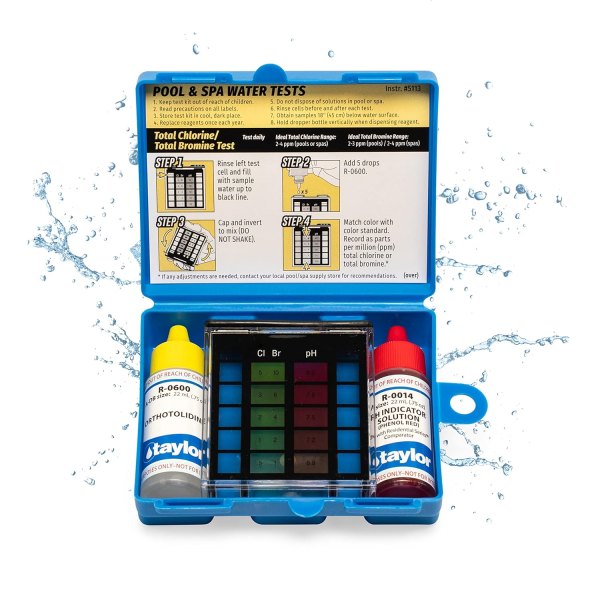
Test water chemistry at least twice weekly during swimming season, daily during SLAM treatments, and weekly during winter closure. Use quality test kits like Taylor K-2006 or TF-100 for accurate results.
Can I convert my chlorine pool to salt water?
Yes, above ground pools can be converted to salt water if you have compatible equipment and liners. Check manufacturer specifications before conversion.
Related Guides
For more specific information, check out these detailed guides:
- Complete DIY Installation Guide - Step-by-step installation process
- Liner Installation Guide - DIY liner replacement
- Winterization Guide - Seasonal closing procedures
- Filter Maintenance Guide - Filter care and replacement
- Salt Water Conversion Guide - Converting to salt systems
For the full breakdown of safe chlorine levels by CYA level, see our pool water chemistry guide.
Still need help? Ask a Pool & Spa Expert AD
Get a personalized answer from PoolGuy810 — 30 years owning a pool and spa repair company. Describe your issue and get step-by-step help.
Related Pool Guides
Need More Help?
Try our free pool calculators and tools to help diagnose and fix your pool problems.
Browse Pool ToolsSLAM calculator, pH calculator, salt dosing & more