
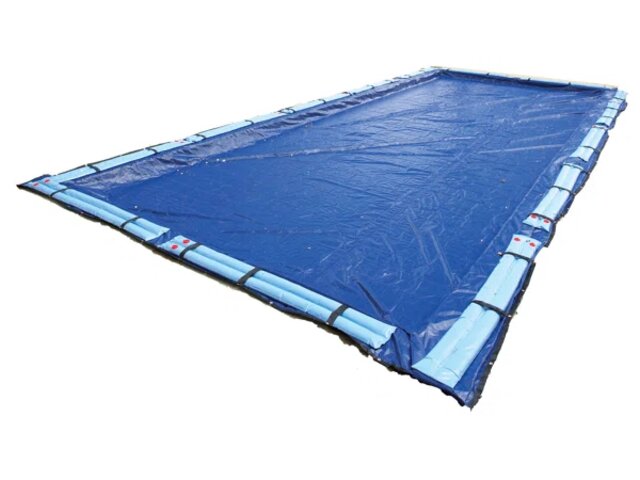
Do I Need to Winterize My Above Ground Pool? Complete Guide

First-time owner: Do I really need to winterize my above ground pool?
Read full question
Standing at the pool store listening to this guy insist I need to drop hundreds on winterizing chemicals and equipment for my above ground pool when I'm not even convinced it's necessary.
The guy at the pool store mentioned something about winterizing when I was buying chemicals last week, but I didn't want to seem clueless so I just nodded along. I live in the Midwest where it definitely gets cold in winter - like below freezing for months. Is winterizing actually necessary for above ground pools, or is it just something people do to be extra cautious? I'm trying to figure out what I absolutely need to do versus what's just nice to have.
Quick Answer
Yes — winterize an above ground pool if winter temps regularly reach freezing (32°F) or below. (65°F is the water temp for starting to close, not the winterizing threshold.) Proper winterization prevents freeze damage to equipment and makes spring opening much easier. The process involves balancing water chemistry, lowering water levels, protecting equipment, and installing a winter cover. For the full breakdown of safe chlorine levels by CYA level, see our pool water chemistry guide.
When Winterization Is Essential
Above ground pools require winterization in several scenarios:
- Freezing temperatures: Any area where temperatures drop below 32°F regularly
- Extended cold periods: Regions with sustained near-freezing temperatures (around 32°F) for weeks
- Equipment protection: When you want to extend the life of pumps, filters, and plumbing
- Cost savings: To avoid expensive freeze damage repairs
Even in warmer climates like southern California, Texas, or Florida, partial winterization helps maintain water quality during cooler months when the pool isn't used regularly.
Consequences of Not Winterizing
Skipping winterization can lead to serious problems:
- Freeze damage: Ice expansion can crack pump housings, filter tanks, and plumbing lines
- Equipment failure: Water left in pumps and heaters can freeze and cause permanent damage
- Liner damage: Ice formation can stretch and tear vinyl liners
- Algae blooms: Untreated water becomes a breeding ground for algae and bacteria
- Staining: Metal corrosion and organic buildup can permanently stain pool surfaces
- Chemical imbalance: pH swings and sanitizer depletion create water quality issues
Complete Above Ground Pool Winterization Process
Step 1: Balance Water Chemistry (1-2 weeks before closing)
Proper chemical balance protects your pool during winter months:
- pH: Adjust to 7.4-7.6 using muriatic acid to lower (always wear protective gear and add acid to water, never water to acid) or sodium carbonate to raise
- Total Alkalinity: Target 80-120 ppm using sodium bicarbonate to raise
- Free Chlorine: The needed level depends on your CYACyanuric Acid (stabilizer) — Sunscreen for your chlorine — it keeps sunlight from burning it off. The catch: the more you have, the more chlorine you need to keep. learn more → (stabilizer) level — see our pool water chemistry guide for details
- Calcium Hardness: Keep at 175-225 ppm for above ground pools
- Cyanuric Acid: Target 30-50 ppm for chlorine protection
Test water with a Taylor K-2006 test kit for accurate readings. Retest after 24 hours to ensure levels are stable.
Step 2: Deep Clean the Pool
- Brush all pool surfaces thoroughly to remove algae and biofilm
- Vacuum debris from pool bottom using manual vacuum
- Empty skimmer baskets and remove any floating debris
- Clean pool walls with appropriate cleaner for your liner type
- Run filtration system for 24-48 hours to clear water completely
Step 3: Lower Water Level
Reduce water level to prevent freeze damage:
- Skimmer pools: Lower water 4-6 inches below skimmer opening
- No skimmer: Lower water 2-3 inches below return jets
- Use submersible pump or pool vacuum to remove water efficiently
- Don't drain completely - water weight prevents liner damage and ground shifting
Step 4: Winterize Pool Equipment
Pump and Filter System:
- Turn off power at circuit breaker
- Disconnect and drain all hoses
- Remove drain plugs from pump housing and filter tank
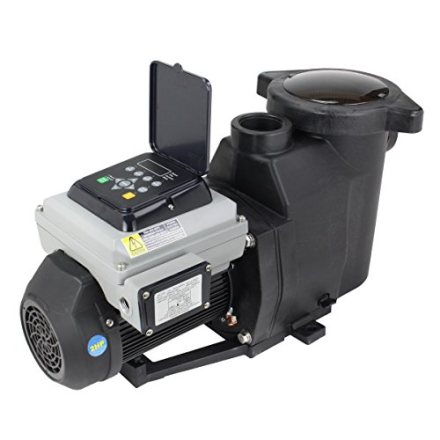
- Store pump indoors or cover with waterproof material
- Clean and store filter cartridges indoors
Plumbing Lines:
- Blow out return lines using pool line blower or air compressor
- Pool antifreeze (propylene glycol) is not typically necessary if lines are fully drained and plugged, but can be added as an optional backup in harsh climates
- Install winter plugs in return fittings
- Cap or plug skimmer openings
Step 5: Add Winter Chemicals
Winter chemical kits help maintain water quality:
- Algaecide: Add a polyquat (non-metallic) algaecide per label as the final step before covering — avoid copper-based algaecides for winter, which can stain
- Winter shock: Test current chlorine levels first and adjust dosage accordingly; for a closer estimate, try our easy-to-use pool calculator
- Stain preventer: Add according to manufacturer directions to prevent metal staining
Distribute chemicals by broadcasting evenly across the entire water surface. Add the winter shock first; once free chlorine drops back toward normal, add the algaecide as the last step before covering. Adding algaecide before shocking just lets the chlorine break it down.
Step 6: Install Winter Cover
Choose appropriate cover type:
- Tarp covers: budget-friendly, requires cable and winch system
- Safety covers: premium option but provides safety and better protection
- Solid covers: Prevent debris and sunlight, may require cover pump
Ensure cover is properly secured and has no gaps where debris can enter.
Regional Considerations
Northern climates: Complete winterization with draining/blowing out and plugging lines and removing/storing equipment is essential. Antifreeze is not essential; it is only an optional backup. Consider installing ice equalizers (air pillows) to absorb freeze expansion.
Moderate climates: Partial winterization with reduced circulation and winter chemicals may be sufficient. Monitor weather forecasts for unexpected freezes.
Warm climates: Focus on chemical balance and reduced maintenance schedule. Cover pool to prevent debris and reduce chemical usage.
Common Winterization Mistakes
- Draining pool completely, which can cause liner shrinkage and ground issues
- Leaving water in pump and filter systems
- Adding all chemicals simultaneously, causing chemical reactions
- Using automotive antifreeze instead of pool-safe antifreeze
- Installing covers while chemicals are still active and potentially damaging cover material
- Forgetting to remove and clean pool accessories like ladders and slides
Spring Opening Benefits
Proper winterization makes spring opening significantly easier:
- Clear, balanced water requires minimal chemical adjustment
- Equipment starts up without issues
- No freeze damage repairs needed
- Reduced chemical costs for spring startup
- Faster time to swimmable water
The investment in proper winterization prevents potential damage and ensures your above ground pool is ready for another season of enjoyment.
For the full breakdown of safe chlorine levels by CYA level, see our pool water chemistry guide.
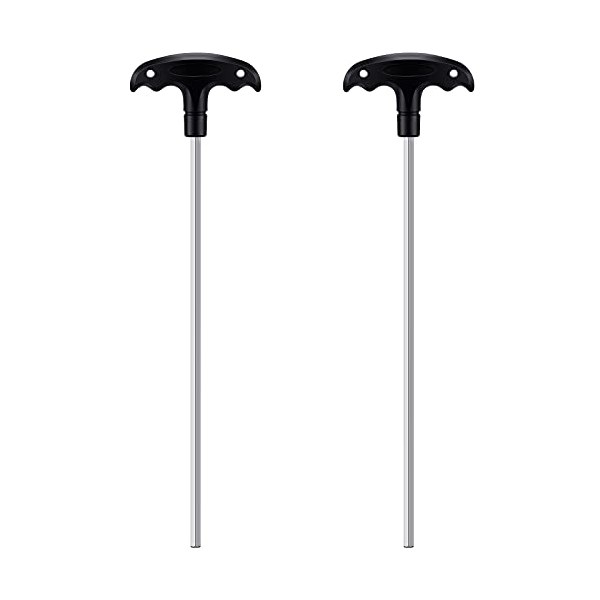 Pool Safety Cover Hex Key Tool (2-Pack)
Hex keys to install or remove a pool safety cover. View on Amazon →
Pool Safety Cover Hex Key Tool (2-Pack)
Hex keys to install or remove a pool safety cover. View on Amazon →
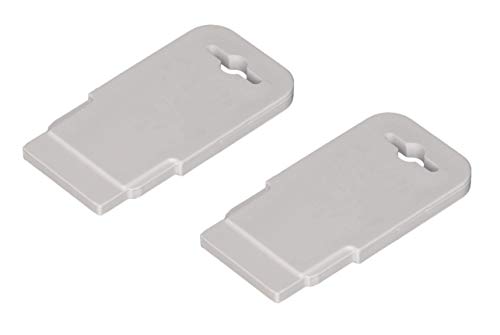 Pool Eyeball / Return Jet Fitting Removal Tool (ATIE)
Pops out & reseats Hayward SP1419 return-jet eyeballs — handy for closing. View on Amazon →
Pool Eyeball / Return Jet Fitting Removal Tool (ATIE)
Pops out & reseats Hayward SP1419 return-jet eyeballs — handy for closing. View on Amazon →
 Taylor K-2006C Complete FAS-DPD Pool & Spa Test Kit
The FAS-DPD kit pool pros trust — reads chlorine accurately even at shock/SLAM levels, plus pH, alkalinity, calcium hardness and CYA. View on Amazon →
Taylor K-2006C Complete FAS-DPD Pool & Spa Test Kit
The FAS-DPD kit pool pros trust — reads chlorine accurately even at shock/SLAM levels, plus pH, alkalinity, calcium hardness and CYA. View on Amazon →
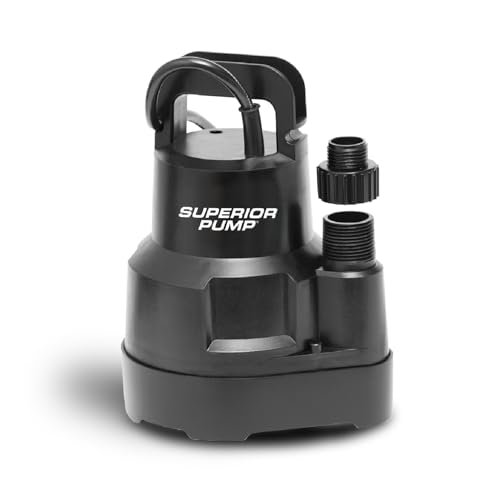 Superior Pump 91014 1/4 HP Submersible Utility Pump
Drains a pool, cover, or equipment pit when you need to lower the water. View on Amazon →
Superior Pump 91014 1/4 HP Submersible Utility Pump
Drains a pool, cover, or equipment pit when you need to lower the water. View on Amazon →
Still need help? Ask a Pool & Spa Expert AD
Get a personalized answer from PoolGuy810 — 30 years owning a pool and spa repair company. Describe your issue and get step-by-step help.
Related Pool Guides
Need More Help?
Try our free pool calculators and tools to help diagnose and fix your pool problems.
Browse Pool ToolsSLAM calculator, pH calculator, salt dosing & more