
Pool Pump Troubleshooting & Maintenance Guide 2026
Quick Answer
Pool pumps require regular maintenance and troubleshooting to operate efficiently. Common issues include low water flow, unusual noises, and electrical problems that can often be resolved with proper diagnosis and maintenance.
Quick Overview
Consider this a warning sign — that grinding noise or weak water flow from your pool pump is often an early warning sign worth addressing promptly — catching it early can head off a costlier repair. This comprehensive guide covers everything from basic troubleshooting to advanced maintenance schedules. Most pump issues stem from clogged baskets, air leaks, or worn seals - problems you can often fix yourself with the right knowledge.
Understanding Your Pool Pump System
How Pool Pumps Work
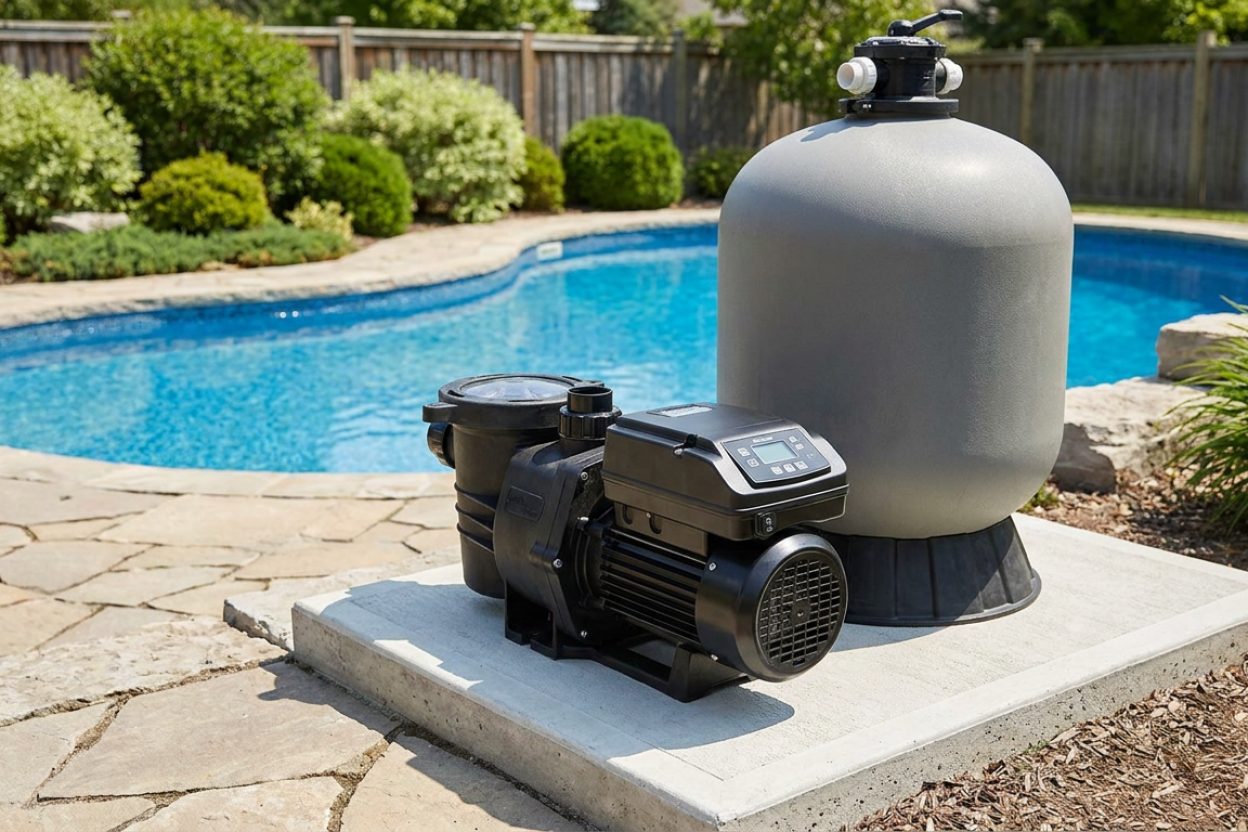
Pool pumps create circulation by drawing water through the skimmer and main drain, pushing it through the filter system, and returning it to the pool via return jets. The pump consists of several key components:
- Motor: Powers the impeller (single-speed, dual-speed, or variable speed)
- Impeller: Creates water flow through centrifugal force
- Pump Housing: Contains the impeller and creates suction
- Strainer Basket: Catches large debris before it reaches the impeller
- Seal Assembly: Prevents water from reaching the motor
Understanding how variable speed pool pumps work can help you optimize energy efficiency and extend equipment life. Variable speed pumps offer significant advantages over single-speed models.
Types of Pool Pumps
Single-Speed Pumps: Run at one constant speed (typically 3450 RPM). Simple and reliable but energy-intensive.
Dual-Speed Pumps: Offer high and low speed options for different tasks like filtering vs. heating.
Variable Speed Pumps: Allow precise speed control from 500-3450 RPM, offering maximum energy efficiency and quieter operation.
Daily and Weekly Pump Maintenance
Daily Checks
- Verify pump is running during scheduled hours
- Listen for unusual noises (grinding, squealing, or rattling)
- Check for visible leaks around the pump housing
- Ensure adequate water level in pool (water should reach about halfway up the skimmer opening)
Weekly Maintenance Tasks
Clean the Strainer Basket:
- Turn off pump and close skimmer valves if available
- Remove pump lid (note: some water spillage is normal)
- Lift out strainer basket and empty debris
- Rinse basket with garden hose
- Inspect basket for cracks or damage
- Replace basket and pump lid with new O-ring if needed
Check Water Flow: Observe return jets for strong, consistent flow. Weak flow indicates potential blockages or pump issues.
Determining if you need a new pool pump depends on age, efficiency, and repair frequency. Pumps over 8-10 years old often benefit from replacement with energy-efficient models.
Monthly Maintenance
- Inspect pump seals for leaks or crystalline deposits
- Check electrical connections for corrosion
- Verify proper pump runtime - most pools need 8-12 hours daily operation
- Clean pump housing exterior with mild detergent
- Test GFCI breaker functionality
Common Pump Problems and Solutions
Pump Won't Start
Possible Causes and Solutions:
- No Power: Check circuit breaker, GFCI, and timer settings
- Tripped Breaker: Reset breaker; if it trips again, call an electrician
- Bad Capacitor: Motor hums but won't start - requires professional replacement
- Seized Motor: Usually requires motor replacement or rebuild
Low Water Flow
Reduced water flow affects filtration efficiency and chemical distribution:
- Clogged Strainer Basket: Clean weekly or more frequently during heavy use
- Dirty Filter: Understanding how pool filters work helps identify when cleaning or replacement is needed
- Air Leaks: Check pump lid O-ring, valve seals, and plumbing connections
- Clogged Impeller: Remove pump housing to clear debris from impeller
- Closed Valves: Ensure all suction and return valves are fully open
Pump Making Unusual Noises
Grinding Sounds: Usually indicate worn bearings or damaged impeller. Stop pump immediately and inspect.
Squealing: Often caused by dry or worn shaft seals. May require seal replacement.
Rattling: Check for loose bolts, debris in housing, or damaged impeller.
Cavitation (rumbling): Indicates insufficient water flow to pump, often from clogged baskets or closed valves.
Pump Losing Prime
A pump that loses prime repeatedly indicates air entering the system:
- Check and replace pump lid O-ring
- Inspect all suction-side plumbing for cracks
- Verify skimmer and main drain valve positions
- Check water level (should cover skimmer opening)
- Examine union connections for tightness
Pump Overheating
Overheating can damage motor windings and shorten pump life:
- Restricted Airflow: Clear vegetation and debris from motor housing
- Oversized Impeller: Can overwork the motor
- Low Voltage: Have electrician check voltage at motor
- Dirty Motor: Clean cooling fins and housing regularly
Troubleshooting Variable Speed Pumps
Variable speed pumps offer advanced features but require different troubleshooting approaches:
Digital Display Issues
- Blank Display: Check power connections and fuses
- Error Codes: Consult manufacturer manual for specific codes
- Unresponsive Controls: May require system reset
For Pentair variable speed pumps, learn how to reset Pentair variable speed pool pump systems when experiencing control issues.
Programming Problems
- Verify time/date settings are correct
- Check program schedules match your needs
- Ensure speed settings are appropriate for your system
- Reset to factory defaults if programs become corrupted
Safety Considerations
Understanding why you can't run a pool pump on extension cord is crucial for safety. Pool pumps require permanent, properly grounded electrical connections.
Electrical Safety
- Always turn off power before performing maintenance
- Keep electrical components dry
- Use only qualified electricians for electrical work
- Test GFCI monthly by pressing test/reset buttons
- Never touch pump controls with wet hands
Mechanical Safety
- Never put hands near running impeller
- Use proper tools for disassembly
- Support pump housing when removing motors
- Be aware of stored energy in pressurized systems
Pump Maintenance Schedules
Seasonal Maintenance
Spring Startup:
- Inspect all seals and gaskets
- Check impeller for winter damage
- Lubricate motor bearings if required
- Test all electrical connections
- Prime pump system properly
Summer Operation:
- Monitor runtime and adjust for increased usage
- Clean strainer basket more frequently
- Check for overheating during peak temperatures
- Maintain proper water chemistry to prevent corrosion
Fall Preparation:
- Reduce runtime as temperatures drop
- Clean pump housing thoroughly
- Inspect freeze protection systems
- Check timer and control settings
Winter Shutdown (if applicable):
- Drain all water from pump housing
- Remove and clean strainer basket
- Store removable components indoors
- Cover motor and electrical components
Understanding whether you need to winterize your pool depends on your climate and helps determine appropriate pump shutdown procedures.
Filter Integration Maintenance
Pump performance directly relates to filter condition:
- Sand Filters: Backwash regularly when pressure increases 10 PSI above clean starting pressure
- Cartridge Filters: Replace cartridge elements every 2-5 years or when cleaning becomes ineffective
- DE Filters: Backwash and recharge with fresh DE powder every 4-6 weeks
When to Call a Professional
While many pump issues can be resolved through DIY maintenance, certain situations require professional attention:
Electrical Issues
- Repeatedly tripping breakers
- Burnt smell from motor housing
- Sparking or arcing at connections
- GFCI won't reset
- Voltage irregularities
Major Mechanical Problems
- Cracked pump housing
- Seized motor bearings
- Damaged impeller requiring housing disassembly
- Persistent seal leaks after replacement
- Unusual vibration or misalignment
Warranty Considerations
- New pumps under warranty
- Variable speed pump programming issues
- Manufacturer recall situations
- Complex diagnostic procedures
Optimizing Pump Performance
Energy Efficiency Tips
- Use variable speed pumps when possible
- Program multiple low-speed runs vs. single high-speed operation
- Size pumps appropriately for your pool volume
- Maintain clean filters to reduce back-pressure
- Keep strainer baskets clean
Extending Pump Life
- Maintain proper water chemistry to prevent corrosion
- Don't oversize pumps for your application
- Address minor issues before they become major problems
- Use quality replacement parts
- Follow manufacturer maintenance schedules
Consider whether you can leave your pool filter on all the time - continuous operation can benefit water quality but may accelerate wear on some components.
Cost-Effective Maintenance Strategies
DIY vs. Professional Service
DIY Appropriate Tasks:
- Basket cleaning and inspection
- O-ring replacement
- Basic electrical checks (visual only)
- Impeller cleaning (if comfortable with disassembly)
- Routine lubrication
Professional Service Recommended:
- Motor replacement or rebuild
- Electrical troubleshooting and repair
- Seal replacement requiring special tools
- Warranty work
- Complex variable speed programming
Parts and Supply Management
- Keep spare O-rings, gaskets, and strainer baskets on hand
- Buy quality parts from reputable suppliers
- Consider seasonal maintenance kits
- Document part numbers for future reference
Integration with Pool Chemistry
Proper pump operation supports effective chemical distribution and filtration:
Circulation and Chemical Effectiveness
- Adequate turnover rate ensures even chemical distribution
- Poor circulation creates dead spots where algae can develop
- Proper filtration removes contaminants that consume chlorine
Understanding pool pH management becomes more effective with proper circulation, as chemicals mix more thoroughly throughout the water.
Pump Operation During Chemical Treatment
- Run pump continuously during shock treatments
- Ensure circulation when adding chemicals
- Consider timing of vacuuming after adding chemicals
Learn about clearing cloudy pool water, which often requires extended pump runtime and proper filtration.
Frequently Asked Questions
How long should I run my pool pump daily?
Most pools require 8-12 hours of daily pump operation for adequate turnover. Variable speed pumps can often achieve the same turnover with longer runtime at lower speeds, saving energy.
Why does my pump keep losing prime?
Recurring prime loss indicates air entering the suction side of the system. Check the pump lid O-ring, suction-side plumbing, and ensure adequate water level covering the skimmer.
Can I repair my pump myself?
Basic maintenance like basket cleaning and O-ring replacement are DIY-friendly. However, electrical work, motor replacement, and complex seal repairs should be handled by professionals.
How do I know when to replace my pump?
Consider replacement when repair costs exceed 50% of replacement cost, the pump is over 10 years old, or you're upgrading to variable speed for energy savings.
What's the difference between pump types?
Single-speed pumps run at constant speed, dual-speed offer high/low options, and variable speed pumps provide infinite speed control from 500-3450 RPM for maximum efficiency.
How do I size a replacement pump?
Pump sizing depends on pool volume, desired turnover rate, and total system head (resistance). Consult manufacturer charts or a pool professional for proper sizing.
Related Pool Maintenance Guides
Expand your pool maintenance knowledge with these comprehensive guides:
- How Pool Filters Work: Sand, Cartridge & DE Filter Guide - Understanding filtration systems
- How to Backwash Pool Filter - Complete Step-by-Step Guide - Essential filter maintenance
- How Variable Speed Pool Pumps Work - Complete Guide - Advanced pump technology
- Can You Run a Pool Pump on Extension Cord? Safety Guide - Critical electrical safety
- Do I Need to Run My Pool Pump All the Time? Runtime Guide - Optimizing pump schedules
- How Long Do Pool Filters Last? Replacement Guide & Signs - Filter lifespan management
- How to Reset Pentair Variable Speed Pool Pump - Complete Guide - Brand-specific troubleshooting
Still need help? Ask a Pool & Spa Expert AD
Get a personalized answer from PoolGuy810 — 30 years owning a pool and spa repair company. Describe your issue and get step-by-step help.
Related Pool Guides
Need More Help?
Try our free pool calculators and tools to help diagnose and fix your pool problems.
Browse Pool ToolsSLAM calculator, pH calculator, salt dosing & more