
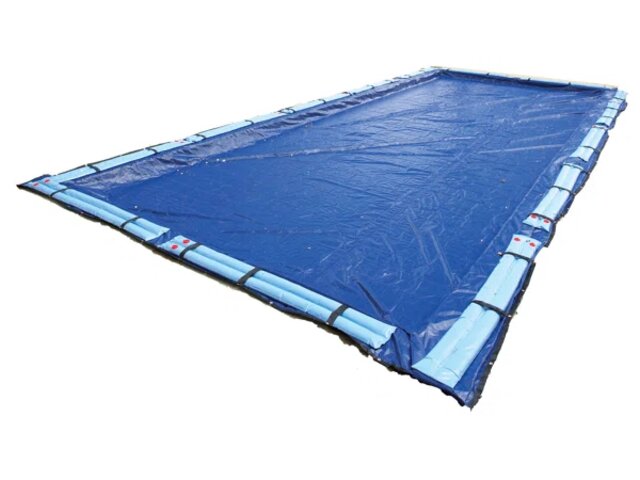
Pool Winterization Complete Guide 2026 - Steps & Timeline
Quick Answer
Pool winterization involves balancing chemicals, protecting equipment, and proper closing procedures. The process varies by climate zone but typically includes shocking, lowering water levels, and winterizing plumbing to prevent freeze damage.
Quick Overview / TL;DR
Pool winterization is the process of preparing your pool for the off-season to prevent damage from freezing temperatures, reduce maintenance costs, and ensure easy spring reopening. The key steps include: balancing water chemistry, shocking the pool, lowering water levels, removing and storing equipment, adding winterizing chemicals, and covering the pool. Whether you need to winterize depends on your climate zone - areas with freezing temperatures require full winterization, while warmer climates may only need seasonal maintenance adjustments.
Understanding Pool Winterization by Climate Zone
Northern Climates (Hard Freeze Zones)
In areas where temperatures drop below 32°F (0°C) for extended periods, full winterization is mandatory. This includes most of the northern United States, Canada, and similar climates. Pool water must be drained below skimmer and return lines, and all plumbing must be blown out with compressed air to prevent freeze damage.
Moderate Climates (Occasional Freeze)
Areas that experience occasional freezing but have generally mild winters may require partial winterization. This includes much of the southern United States. Running your pool pump in winter becomes crucial during freeze warnings to keep water moving and prevent ice formation.
Warm Climates (No Freeze)
Tropical and desert areas like southern Florida, Hawaii, and parts of the Southwest may not require traditional winterization. Las Vegas pools, for example, often operate year-round due to the desert climate and warm temperatures.
Pre-Winterization Preparation
Timing Your Winterization
Begin winterization when daytime temperatures consistently drop below 65°F (18°C). This typically occurs in October or November for most northern climates. Don't wait for the first freeze - proper winterization takes time and should be completed before temperatures drop below 40°F (4°C).
Essential Supplies Checklist
- Pool winterizing chemicals (algaecide, winterizing shock, stain preventer)
- Antifreeze (non-toxic, pool-grade only)
- Pool cover and cover accessories
- Pool pillow or air pillows
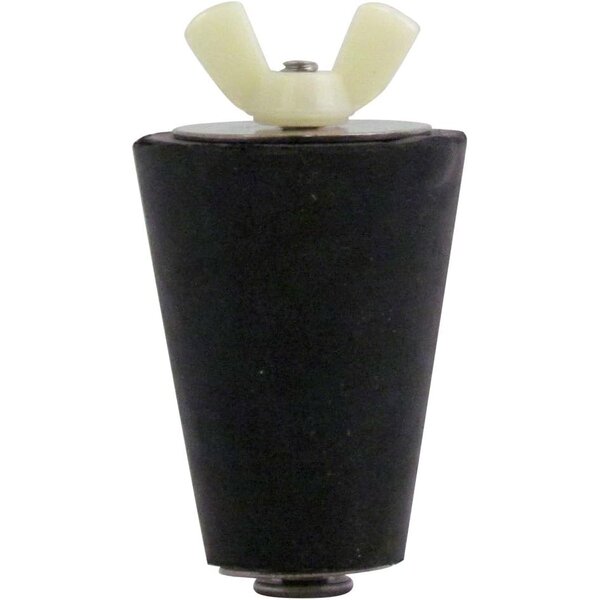
- Plugs for skimmers, returns, and other openings
- Air compressor or shop vacuum for blowing lines
- Water testing kit (Taylor K-2006 or TF-100 recommended)
- Liquid chlorine for final shocking
Equipment Inspection
Before winterization, inspect all pool equipment for damage or needed repairs. Check your pool pump for signs it needs replacement - grinding noises, leaks, or age over 8-10 years indicate replacement may be needed. Address any issues now rather than discovering them in spring.
Step-by-Step Winterization Process
Step 1: Final Deep Cleaning
Begin with thorough pool cleaning 1-2 weeks before closing. Vacuum your pool completely, removing all debris from the bottom and walls. Brush all surfaces, paying special attention to areas with algae growth or staining.
Backwash your pool filter if you have a sand or DE system, or clean cartridge filters thoroughly. Clean filters ensure proper circulation during the final chemical balancing phase.
Step 2: Water Chemistry Balancing
Proper water chemistry is crucial for preventing damage during winter months. Test and adjust the following parameters:
- Free Chlorine (FCFree Chlorine — The chlorine actively sanitizing your water right now. This is the number you keep an eye on. how much you need →): 3-5 ppm initially, will be increased during shocking
- pH: 7.4-7.6 for optimal chemical effectiveness
- Total Alkalinity (TATotal Alkalinity — The buffer that keeps your pH from bouncing around. Get this in range and pH gets a lot easier to manage. learn more →): 80-120 ppm (60-80 for salt water pools)
- Calcium Hardness (CH): 250-350 ppm for plaster pools, 175-225 ppm for vinyl/fiberglass
- Cyanuric Acid (CYACyanuric Acid (stabilizer) — Sunscreen for your chlorine — it keeps sunlight from burning it off. The catch: the more you have, the more chlorine you need to keep. learn more →): 30-50 ppm for traditional pools, 70-80 for salt water systems
Step 3: Shock Treatment
Shocking your pool before winter closing is essential, but timing matters. Shock the pool 24-48 hours before final closing to allow chlorine levels to normalize while still maintaining sanitization.
Use the SLAMShock Level And Maintain — raise free chlorine to a target based on your CYA and hold it there until the algae is gone. It's a process, not a one-time dose. the SLAM walkthrough → method (Shock Level And Maintain) if you have algae issues. Our all-in-one pool calculator works out how much to add based on your pool size and current vs. target chlorine levels, accounting for your specific product's concentration. To do it by hand instead: the target shock level is based on your CYA level using the FC/CYAFC/CYA chart — The chart that sets your chlorine target from your stabilizer (CYA) level — the two go together. see the chart → chart — typically about 12 ppm FC at 30 CYA, rising to about 20 ppm at 50 CYA (note that actual product amounts vary with concentration, so the calculator is more reliable). While you can shock during the day, evening application is more effective as UV rays won't break down the chlorine.
Step 4: Water Level Adjustment
Lower your pool water level based on your cover type and climate:
- Mesh covers: 12-18 inches below the tile line
- Solid covers: 4-6 inches below the skimmer opening
- Hard freeze climates: Below all return jets and skimmer openings
Use your pool pump to lower the water level, or rent a submersible pump for faster drainage. Don't drain your pool completely unless absolutely necessary, as this can cause structural damage.
Step 5: Equipment Winterization
Pool Pump Winterization
Turn off power to the pump at the circuit breaker. Remove the drain plugs from the pump housing and motor (if equipped). Store plugs in the pump basket so they won't be lost. Never use extension cords when reconnecting equipment in spring - ensure proper electrical connections.
Filter System Winterization
For sand filters: Backwash thoroughly, then set the valve to "Winterize" position if available, or between two settings to prevent valve damage. Remove the drain plug from the filter tank.
For cartridge filters: Remove and clean cartridges, then store them indoors. Proper storage extends filter life and prevents freeze damage.
For DE filters: Backwash to remove DE, clean grids if necessary, and drain the tank completely.
Heater Winterization
Pool heaters should be covered in winter, especially heat pumps and older units. Drain all water from heat exchangers and plumbing connections. For gas heaters, turn off the gas supply at the meter or tank.
Step 6: Plumbing Line Winterization
This is the most critical step for freeze-prone areas. Use a shop vacuum or air compressor to blow out all water from:
- Skimmer lines
- Return lines
- Main drain lines (if applicable)
- Cleaner lines
- Water feature plumbing
Install winterizing plugs in all openings after blowing out lines. Add pool-grade antifreeze to lines that can't be completely drained.
Step 7: Final Chemical Treatment
Add winterizing chemicals according to manufacturer instructions:
- Winterizing algaecide: Prevents algae growth during closure
- Stain and scale preventer: Protects surfaces from mineral buildup
- Winterizing shock: Long-lasting chlorine for extended protection
Circulate water for 2-4 hours after adding chemicals to ensure proper distribution.
Step 8: Cover Installation
Install pool pillows for above-ground pools or those using solid covers. These absorb ice expansion and prevent cover damage.
Pool covers are highly effective at preventing algae by blocking sunlight, but proper installation is crucial. Ensure covers are tight and secure to prevent wind damage and debris accumulation.
Special Considerations for Different Pool Types
Above-Ground Pool Winterization
Above-ground pools require special attention to prevent structural damage. Pool liners can be damaged by improper winterization, so maintain water levels properly and use pool pillows to prevent ice damage.
Above-ground pools absolutely need liners, so protecting this investment is crucial. Never drain an above-ground pool completely, as this can cause the liner to shift or the walls to collapse.
Salt Water Pool Winterization
Salt water pools require the same basic winterization steps with a few additions:
- Remove salt cell and store indoors to prevent freeze damage
- Clean salt cell according to manufacturer instructions
- Maintain proper CYA levels (70-80 ppm) for salt systems
- Adjust TA to 60-80 ppm range for salt water systems
Pool Heater Considerations
Solar pool heaters require draining of all collector panels and plumbing. These systems are particularly susceptible to freeze damage due to their extensive piping networks.
For areas like Orlando, pool heating needs vary seasonally, and partial winterization may allow for occasional use during warm winter days.
Maintenance During Winter Closure
Monthly Inspections
Even during closure, monthly inspections are important:
- Check cover condition and adjust as needed
- Remove excessive snow or ice buildup (maximum 1-2 inches)
- Inspect for animal damage or debris accumulation
- Verify that equipment storage areas remain dry
Mid-Winter Chemical Testing
In moderate climates or during warm spells, test water chemistry monthly. Pools can safely stay closed 6-8 months with proper winterization, but longer closures may require chemical adjustments.
Emergency Procedures
During unexpected warm periods or equipment issues:
- Be prepared to restart circulation if temperatures rise significantly
- Have emergency contacts for professional service
- Address any algae growth immediately to prevent health risks and spring complications
Troubleshooting Common Winterization Issues
Incomplete Water Removal
If water remains in lines after blowing out, use more antifreeze or reattach vacuum/compressor for additional clearing. Incomplete drainage is the leading cause of freeze damage.
Cover Problems
Sagging covers indicate improper water level or inadequate pillow support. Adjust water level or add additional pillows as needed. Solar covers require different handling and aren't suitable for winter closure.
Chemical Imbalances
Green or cloudy water before closing indicates inadequate chemical treatment. Clear cloudy water first by testing and balancing chemicals, then shocking with liquid chlorine.
Equipment Malfunctions
Variable speed pump issues can often be resolved with proper reset procedures. Address equipment problems before winterization to avoid spring startup complications.
Spring Reopening Preparation
Timing Spring Opening
Plan spring opening when temperatures consistently stay above 50°F (10°C). Early opening allows for easier cleanup and chemical balancing.
Equipment Inspection
Before restart, inspect all equipment for winter damage:
- Check pumps, filters, and heaters for cracks or damage
- Verify all electrical connections are secure and dry
- Test GFCI breakers and replace if necessary
- Test cleaning equipment before the busy season starts
Initial Startup Procedures
Reverse winterization steps systematically:
- Remove cover and clean/store properly
- Reinstall drain plugs and equipment
- Refill pool to proper operating level
- Prime and start circulation system
- Test and balance water chemistry
- Begin regular maintenance schedule
When to Call a Professional
Complex Equipment Issues
Professional service is recommended for:
- Gas heater winterization and startup
- Complex automation system shutdown
- Major plumbing modifications or repairs
- Electrical work or panel upgrades
Time Constraints
If unexpected weather threatens and you haven't completed winterization, emergency professional service can prevent costly freeze damage.
Insurance Requirements
Some insurance policies require professional winterization for coverage of freeze damage claims. Verify your policy requirements and maintain documentation.
Cost Considerations and Budgeting
DIY Winterization Costs
Typical DIY winterization costs include:
- Chemicals: $75-150
- Cover and accessories: $200-800 (initial purchase)
- Antifreeze and plugs: $50-100
- Equipment rental (air compressor): $50-100
Professional Service Costs
Professional winterization typically ranges from $300-600 depending on pool size, equipment complexity, and regional pricing. This often includes spring opening services.
Long-term Investment Protection
Proper winterization protects investments worth thousands of dollars:
- Pool surface repairs: $1,000-5,000+
- Equipment replacement: $500-3,000+ per component
- Plumbing repairs: $500-2,000+
Frequently Asked Questions
Do I need to winterize my pool every year?
Yes, in climates with freezing temperatures, annual winterization is essential. The necessity depends on your regional climate, but even one freeze can cause thousands in damage to unprotected equipment.
Can I partially winterize and still use my pool occasionally?
In moderate climates, partial winterization allows occasional use. Running your pool pump in winter 4-6 hours daily maintains circulation while reducing energy costs. However, be prepared for full winterization if hard freezes are predicted.
What happens if I don't winterize properly?
Improper winterization can result in:
- Cracked pump housings, filter tanks, and plumbing
- Damaged pool surfaces from ice expansion
- Expensive spring repairs and delayed opening
- Potential safety hazards from damaged electrical equipment
How long does winterization take?
Complete winterization typically takes 1-2 days for DIY projects, depending on pool size and complexity. Professional service is usually completed in 2-4 hours but may require multiple visits for complex systems.
Should I drain my pool completely?
Never drain pools completely unless absolutely necessary. Underground pools can float out of the ground, and above-ground pools can suffer structural damage. Pool liner damage is common when pools are improperly drained.
Can I winterize during a warm spell in winter?
Yes, winterization can be completed during warm periods, but don't delay if cold weather is forecasted. Emergency winterization is possible but more expensive and stressful than planned closure.
What's the difference between winterizing and closing a pool?
Winterizing specifically refers to protecting against freeze damage, while closing encompasses the complete shutdown process including chemical treatment, cleaning, and covering. All winterization involves closing, but not all pool closing requires full winterization.
Related Guides
For comprehensive pool maintenance information, explore these related guides:
- Do I Need to Winterize My Pool? Complete Regional Guide - Determine winterization requirements for your climate zone
- Should You Shock Your Pool Before Winter Closing? - Proper chemical treatment timing and procedures
- Should You Run Your Pool Pump in Winter? - Winter circulation strategies for moderate climates
- Do I Need a Pool Pillow for Winter? - Essential accessories for freeze protection
- Should I Cover My Pool Heater in Winter? - Equipment protection strategies
- How Long Can a Pool Stay Closed? - Safety limits and extended closure considerations
- How to Clear Cloudy Pool Water - Essential for pre-winterization cleaning
- How to Backwash Pool Filter - Critical maintenance before winterization
For the full breakdown of safe chlorine levels by CYA level, see our pool water chemistry guide.
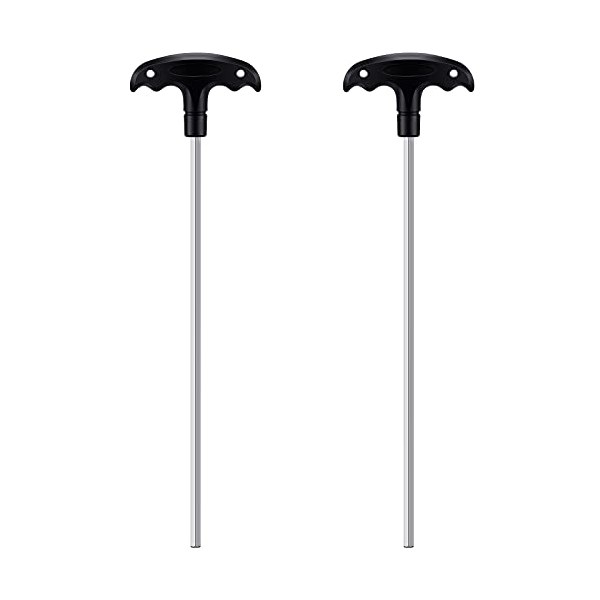 Pool Safety Cover Hex Key Tool (2-Pack)
Hex keys to install or remove a pool safety cover. View on Amazon →
Pool Safety Cover Hex Key Tool (2-Pack)
Hex keys to install or remove a pool safety cover. View on Amazon →
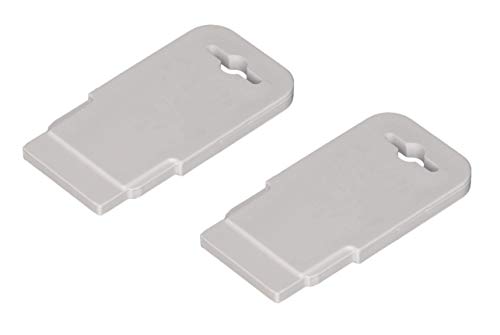 Pool Eyeball / Return Jet Fitting Removal Tool (ATIE)
Pops out & reseats Hayward SP1419 return-jet eyeballs — handy for closing. View on Amazon →
Pool Eyeball / Return Jet Fitting Removal Tool (ATIE)
Pops out & reseats Hayward SP1419 return-jet eyeballs — handy for closing. View on Amazon →
Still need help? Ask a Pool & Spa Expert AD
Get a personalized answer from PoolGuy810 — 30 years owning a pool and spa repair company. Describe your issue and get step-by-step help.
Related Pool Guides
Need More Help?
Try our free pool calculators and tools to help diagnose and fix your pool problems.
Browse Pool ToolsSLAM calculator, pH calculator, salt dosing & more