
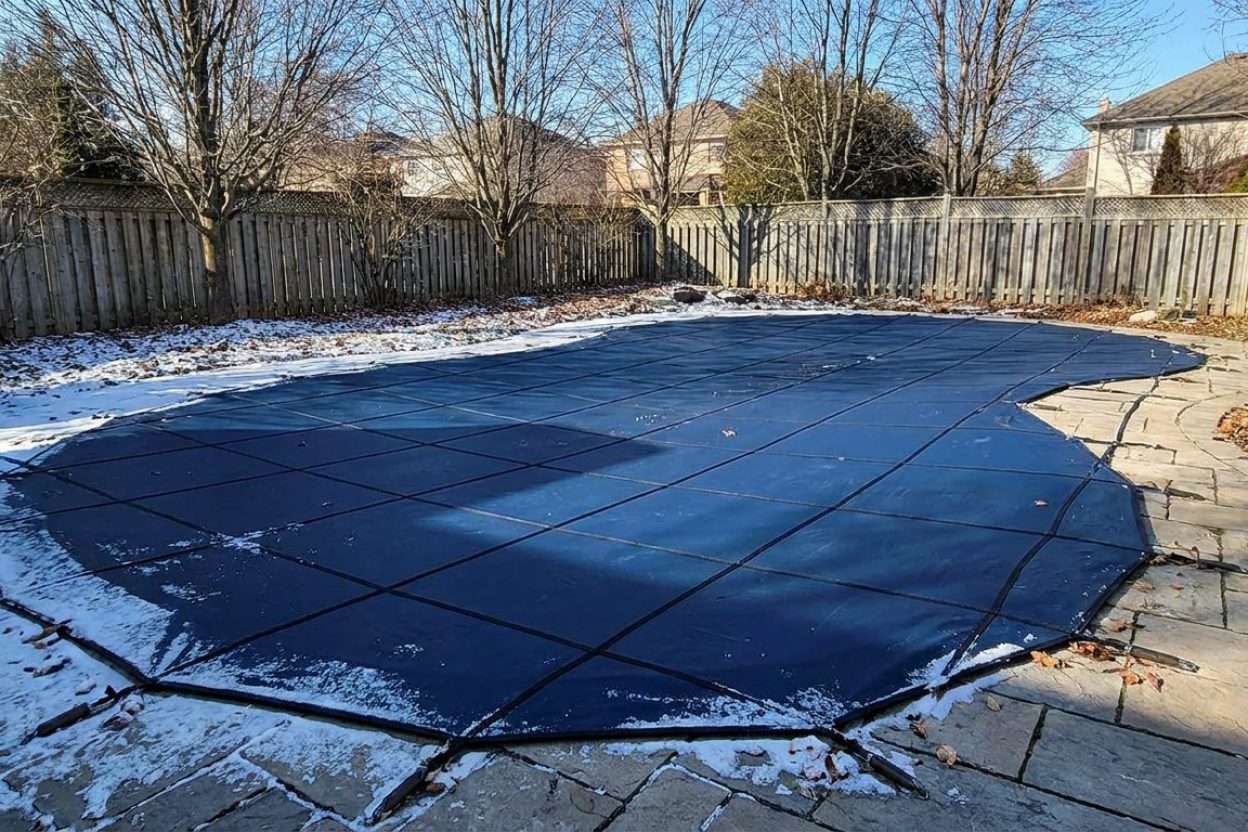
Can I Open Pool Cover With Water On It? Safe Removal Guide

Safe to remove pool cover with standing water on top?
Read full question
Finally facing spring opening and worried it's dangerous to remove my winter pool cover with all that standing water on top while my kids are constantly playing nearby? Can I just pull it off like this or do I need to get the water off first? Don't want to mess up my pool water or damage anything.
Quick Answer
You should remove standing water from your pool cover before opening it to prevent contamination, damage, and safety hazards. Use a cover pump or siphon to drain water first, then carefully remove the cover.
Why You Should Remove Water First
Standing water on pool covers creates several serious problems that make immediate removal inadvisable:
Contamination Risk
The water sitting on your cover has been collecting debris, leaves, bird droppings, and other contaminants for months. When you open the cover with this water still on top, all of these pollutants will dump directly into your clean pool water. This contamination can turn your pool green overnight and require extensive chemical treatment to restore water quality.
Weight and Safety Concerns
Water is extremely heavy - just one inch of standing water across a 20x40 foot cover weighs over 4,000 pounds. This excessive weight makes the cover dangerous to handle and can cause serious injury if it shifts unexpectedly. The added weight also stresses cover materials and anchoring systems beyond their design limits.
Cover Damage
Pool covers aren't designed to hold large volumes of standing water. The weight can stretch and tear the material, especially at stress points near springs, cables, or anchors. Once damaged, covers lose their effectiveness and may need expensive repairs or replacement.
Safe Water Removal Methods
Automatic Cover Pumps
A submersible cover pump is the most efficient solution for removing standing water. Place the pump in the deepest area of standing water and connect it to a discharge hose that directs water away from the pool area. Dedicated automatic cover pumps switch on once water rises above their float sensor and shut off when the cover is clear, so they can drain a cover unattended; manual utility pumps work too, but you have to start and watch them.
Manual Siphoning
For smaller amounts of water, you can use a garden hose to create a siphon. Fill the hose completely with water, cover both ends with your thumbs, place one end in the standing water and the other end at a lower elevation away from the pool. Release both ends - gravity will pull the water through the hose until the cover is drained.
Pool Service Professional
If you're uncomfortable handling the water removal yourself, contact a pool service company. They have commercial-grade pumps and experience safely managing cover removal with minimal risk to your pool or property.
Step-by-Step Cover Opening Process
Before You Begin
Gather necessary tools: cover pump or siphon hose, leaf skimmer, pool brush, water test kit, and basic chemicals for initial water treatment.
- Remove all standing water using your chosen drainage method. Don't rush this step - ensure the cover is completely dry before proceeding.
- Clean off remaining debris using a leaf blower, broom, or skimmer net. Remove as much organic matter as possible to prevent it from falling into the pool.
- Disconnect anchoring systems systematically, starting from one end and working across. For safety covers, remove springs in the proper sequence to maintain even tension.
- Fold the cover carefully as you remove it, keeping the dirty side inward to contain any remaining debris. Have at least two people handle larger covers to prevent tears.
- Inspect and store the cover in a clean, dry location. Check for damage that needs repair before next season.
- Address pool water condition immediately after cover removal. Test pH, chlorine levels, and total alkalinity using a reliable test kit like the Taylor K-2006.
Immediate Pool Treatment After Cover Removal
Even with proper cover removal, your pool water will likely need attention after months under cover. Start by testing all chemical parameters and adjusting as needed.
Essential First Steps
Begin with pH adjustment to the 7.4-7.6 range using muriatic acid if pH is high, or sodium carbonate if low. Proper pH ensures other chemicals work effectively.
Next, shock the pool with liquid chlorine to eliminate any bacteria or algae that may have developed. For initial shocking, raise free chlorine to your SLAM/shock level based on CYACyanuric Acid (stabilizer) — Sunscreen for your chlorine — it keeps sunlight from burning it off. The catch: the more you have, the more chlorine you need to keep. learn more → (roughly 40% of your CYA reading) and hold it there until the water clears, rather than a fixed 1-2 ppm.
Run your filtration system continuously for at least 24 hours after reopening to circulate and filter the water thoroughly. Clean or replace filter elements if they appear dirty or clogged.
Prevention for Next Season
To minimize standing water issues next winter, consider installing an automatic cover pump before closing. Proper cover installation with adequate slope for drainage also reduces water accumulation. Regular winter maintenance, including periodic water removal during the off-season, prevents excessive buildup that makes spring opening more difficult.
Quality pool covers with proper support systems handle normal precipitation better than cheaper alternatives. Investing in professional-grade covers and pumps saves time and prevents problems during both closing and opening seasons.
For the full breakdown of safe chlorine levels by CYA level, see our pool water chemistry guide.
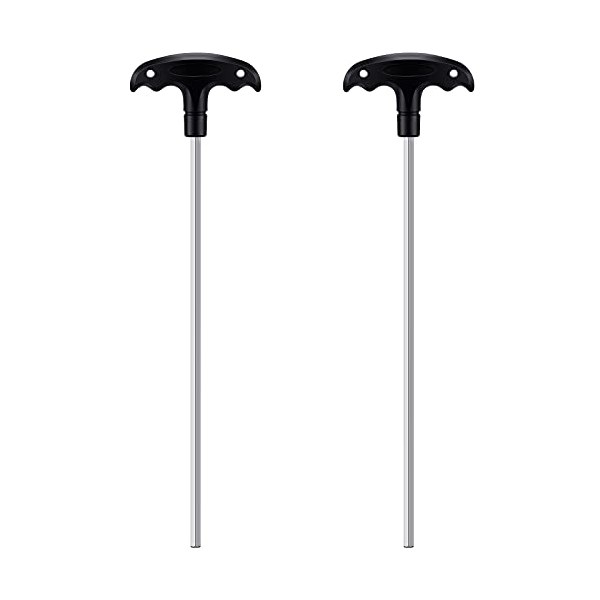 Pool Safety Cover Hex Key Tool (2-Pack)
Hex keys to install or remove a pool safety cover. View on Amazon →
Pool Safety Cover Hex Key Tool (2-Pack)
Hex keys to install or remove a pool safety cover. View on Amazon →
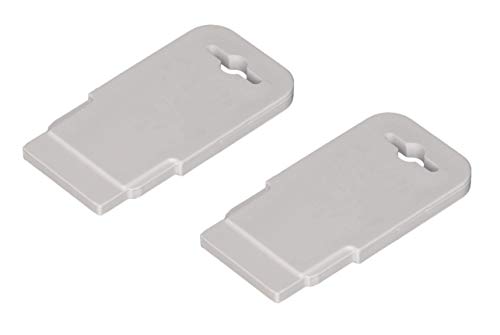 Pool Eyeball / Return Jet Fitting Removal Tool (ATIE)
Pops out & reseats Hayward SP1419 return-jet eyeballs — handy for closing. View on Amazon →
Pool Eyeball / Return Jet Fitting Removal Tool (ATIE)
Pops out & reseats Hayward SP1419 return-jet eyeballs — handy for closing. View on Amazon →
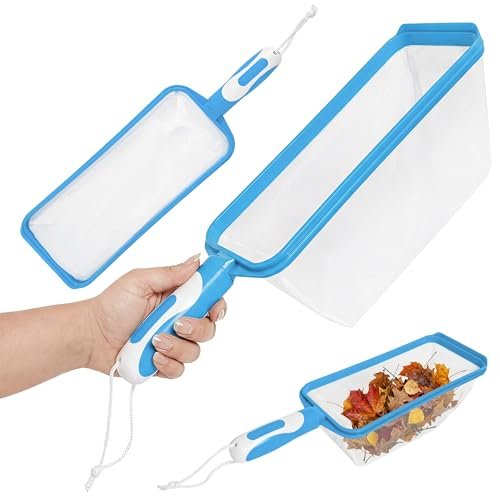 The Skimmie Handheld Pool Skimmer Net
Grab-and-go hand skimmer for leaves and debris off the surface. View on Amazon →
The Skimmie Handheld Pool Skimmer Net
Grab-and-go hand skimmer for leaves and debris off the surface. View on Amazon →
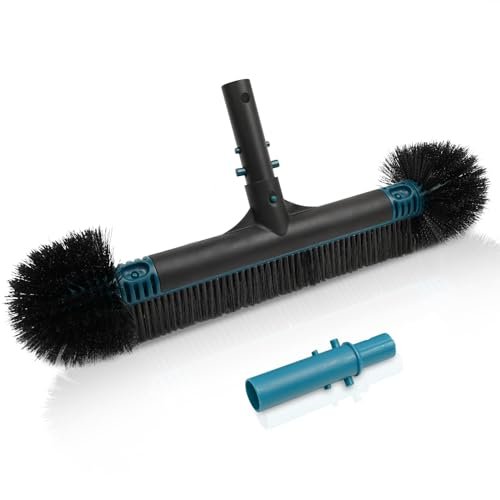 Poolvio 20" 2-in-1 Pool Brush Head (Walls & Floor)
Sturdy 20-inch brush head that clips onto any standard telescopic pole. View on Amazon →
Poolvio 20" 2-in-1 Pool Brush Head (Walls & Floor)
Sturdy 20-inch brush head that clips onto any standard telescopic pole. View on Amazon →
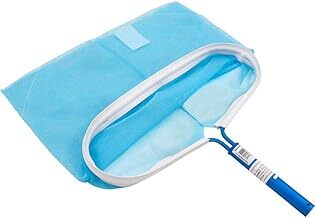
Still need help? Ask a Pool & Spa Expert AD
Get a personalized answer from PoolGuy810 — 30 years owning a pool and spa repair company. Describe your issue and get step-by-step help.
Related Pool Guides
Need More Help?
Try our free pool calculators and tools to help diagnose and fix your pool problems.
Browse Pool ToolsSLAM calculator, pH calculator, salt dosing & more