
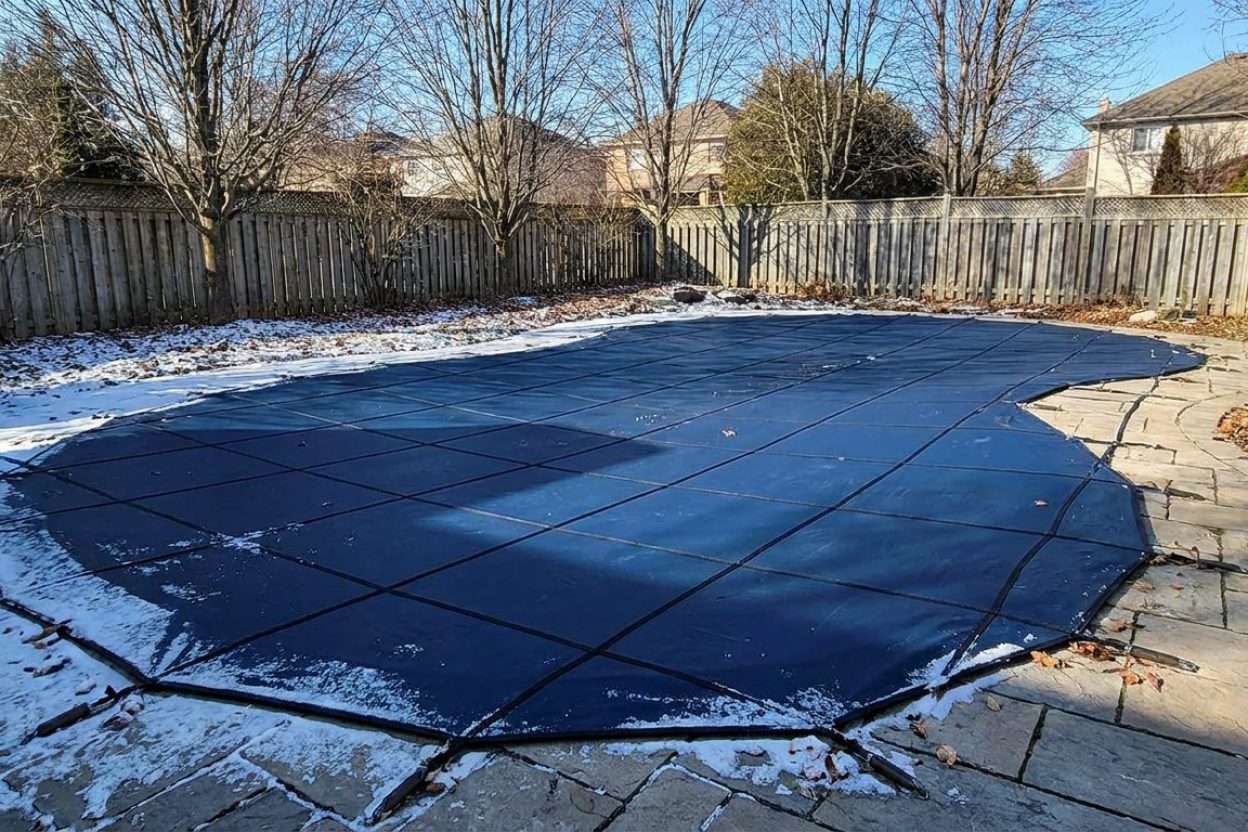
Should You Shock Your Pool Before Winter Closing?

Should I shock before winterizing? Pool store says yes but $$$
Read full question
Finally figured out why my neighbor's pool stays crystal clear all winter while mine turned into a swamp last year — is shocking before closing the secret? They're telling me I need to shock before adding winterizing chemicals, but of course they're also trying to sell me their premium shock treatment for twice what I can get it elsewhere.
Is shocking actually necessary before winter closing, or is this just another upsell? If I do need to shock, does the timing matter with when I add the other winterizing chemicals? I'm tired of spending a fortune on pool maintenance when I feel like half of what they recommend is just to boost their profits.
Quick Answer
Yes. Shock 2-3 days before adding closing chemicals so free chlorine can fall below about 4 ppm and not degrade the winter algaecide. Wait to close until the water is consistently below about 60-65°F. Balance pH and check CYA first, dose to the CYA-scaled shock level with liquid chlorine or cal-hypo (not dichlor/trichlor), run the pump 24 hours, then add the closing kit.
Why Shocking Before Winter Closing Is Essential
Conducting a shock before covering your pool for the season fulfills several vital protective functions. Primarily, it oxidizes and destroys bacteria, algae spores, and other organic waste that could otherwise flourish over the winter while your pump and filter are inactive. Neglecting this can allow minor contamination to develop into a major cleanup project by spring.
Furthermore, effective shocking creates a sanitized, algae-free starting point. This means the winter algaecide you later add only has to maintain this clean state under the cover, rather than attempting to eradicate an active or nascent bloom throughout the cold months. Many issues at opening stem from skipping this foundational shock step.
Timing Your Pre-Winter Shock Treatment
Scheduling is a critical component of a successful pre-winter shock. You must never shock your pool on the identical day you introduce winterizing chemicals. Elevated free chlorine will break down winter algaecide, particularly copper-based varieties, and can induce metal staining; the chemicals do not cancel each other out.
Aim to shock the pool 2-3 days before your planned closing date. This permits the chlorine to fully oxidize contaminants, for levels to begin descending, and establishes the clean base required for winterizing products to perform optimally. Additionally, delay closing until the pool water temperature is steadily at or below 60-65°F (16-18°C), and colder is safer. Algae metabolism decelerates in cooler water, whereas closing a warm pool often results in a green opening despite a prior shock.
Weather Considerations
Refrain from shocking on intensely hot, sunny days, as ultraviolet radiation will rapidly degrade chlorine before it completes its sanitizing work. Applying shock in the evening is optimal, allowing it to work overnight without solar interference. If an unexpected freeze warning forces an early closure, shock at minimum 24 hours beforehand, as colder water retards chemical reaction speeds.
Step-by-Step Pre-Closing Shock Process
Testing and Balancing First
Prior to shocking, accurately test your water using a dependable test kit such as the Taylor K-2006. Adjust pH to within the standard 7.2-7.8 band; if it exceeds approximately 7.8, use muriatic acid to lower it. While high pH reduces chlorine's effectiveness by shifting more to the hypochlorite ion, the principal reason for pH management during shocking is to prevent water cloudiness and scale formation.
Also verify your cyanuric acid (CYACyanuric Acid (stabilizer) — Sunscreen for your chlorine — it keeps sunlight from burning it off. The catch: the more you have, the more chlorine you need to keep. learn more →) level. If CYA is above 50 ppm, you must use a correspondingly higher shock level per the FC/CYAFC/CYA chart — The chart that sets your chlorine target from your stabilizer (CYA) level — the two go together. see the chart → relationship. For a CYA of 30-50 ppm, target a shock level of 12-20 ppm free chlorine, with higher CYA demanding higher chlorine.
Calculating Shock Dosage
For precise dosage calculations, utilize our all-in-one pool calculator. Dosage for liquid chlorine (typically 10-12.5% sodium hypochlorite) hinges on your CYA and target shock level—consult product specifications or the calculator, as the generic guideline of 1 gallon per 10,000 gallons may be inadequate. For calcium hypochlorite granular shock, adhere to the label instructions for your pool's volume. Always add shock to water, never the reverse, and pre-dissolve granular products in a bucket to avoid bleaching the pool finish.
Application Method
With the pump operating on high speed, distribute liquid chlorine around the pool's perimeter, paying special attention to low-circulation zones like steps and corners. For granular shock, pre-dissolve it in a plastic bucket and pour the solution slowly into the pool. Never combine different types of shock chemicals, as this can trigger hazardous reactions.
Post-Shock Monitoring
Keep your filtration system running non-stop for 24 hours following the shock. Test free chlorine after about 8 hours; it should remain at or above your target shock level. A substantial drop indicates ongoing organic demand, potentially necessitating a further shock treatment.
The water must be perfectly clear, with no haze or visible algae. If a green tint or cloudiness persists, you may need to initiate a SLAMShock Level And Maintain — raise free chlorine to a target based on your CYA and hold it there until the algae is gone. It's a process, not a one-time dose. the SLAM walkthrough → (Shock Level And Maintain) protocol, maintaining elevated chlorine until it remains stable overnight.
Preparing for Winterizing Chemicals
After the shock is complete and chlorine readings have stabilized, allow 2-3 days to pass before adding winterizing algaecide, enzymes, or other closing chemicals. Test free chlorine immediately before adding a copper-based algaecide; ensure it has fallen below roughly 4 ppm to prevent the chlorine from degrading the algaecide or causing stains. (If you are omitting algaecide, closing with FCFree Chlorine — The chlorine actively sanitizing your water right now. This is the number you keep an eye on. how much you need → still near shock level is acceptable and can aid in maintaining clarity.)
This waiting period averts detrimental chemical interactions that diminish the potency of your winterizing suite. Certain algaecides, especially those containing copper, can precipitate or stain when introduced to high chlorine environments.
Closing Kits That Cover the Rest
Once the chlorine shock has done its work, a closing kit bundles the remaining chemicals (winter algaecide, a stain and scale preventer, and usually a non-chlorine oxidizer) sized to your pool volume. Most kits use a non-chlorine oxidizer, so they complement the chlorine shock you did a few days earlier rather than replacing it. These are the kits we currently point readers to:
- Doheny's Ultimate Pool Closing Kit — shock, algaecide and stain preventer for pools up to 15,000 gallons.
- In The Swim Pool Closing Kit — chlorine-free winter kit for pools up to 15,000 gallons, with a winterizing stain-away.
- POOLHACKER 3-in-1 Winter Closing Kit — sized for pools up to 30,000 gallons, above ground or inground.
- Dynaklearpool 3-in-1 Pool Closing Kit — three winter treatments for pools up to 30,000 gallons.
Whichever kit you use, read the label for the order of addition and keep the chlorine-shock-first, kit-a-few-days-later sequence described above.
Common Mistakes to Avoid
Select plain liquid chlorine or calcium hypochlorite for your pre-winter shock; steer clear of dichlor or trichlor "shock" products as they add cyanuric acid, which you do not want accumulating over multiple seasons.
Avoid the temptation to shock and winterize on the same day, irrespective of marketing claims about compatibility. This shortcut commonly leads to springtime algae outbreaks and surface staining.
Always thoroughly skim and vacuum out leaves and debris before shocking, as this organic material consumes chlorine, rendering your dose less effective.
For a complete reference on safe chlorine levels relative to CYA, consult our pool water chemistry guide.
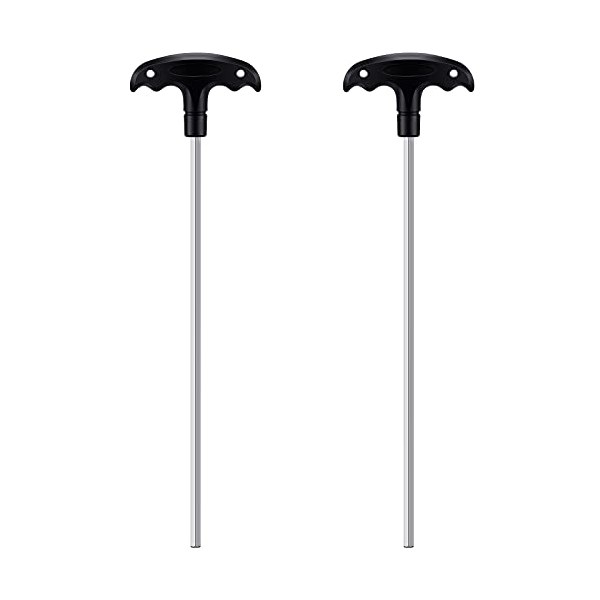 Pool Safety Cover Hex Key Tool (2-Pack)
Hex keys to install or remove a pool safety cover. View on Amazon →
Pool Safety Cover Hex Key Tool (2-Pack)
Hex keys to install or remove a pool safety cover. View on Amazon →
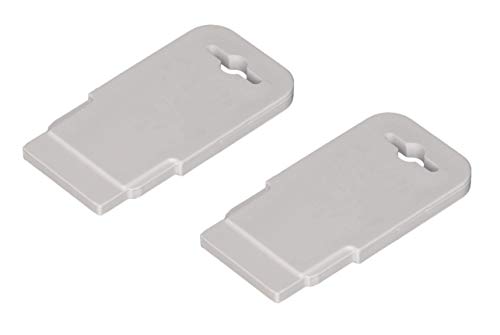 Pool Eyeball / Return Jet Fitting Removal Tool (ATIE)
Pops out & reseats Hayward SP1419 return-jet eyeballs — handy for closing. View on Amazon →
Pool Eyeball / Return Jet Fitting Removal Tool (ATIE)
Pops out & reseats Hayward SP1419 return-jet eyeballs — handy for closing. View on Amazon →
 Taylor K-2006C Complete FAS-DPD Pool & Spa Test Kit
The FAS-DPD kit pool pros trust — reads chlorine accurately even at shock/SLAM levels, plus pH, alkalinity, calcium hardness and CYA. View on Amazon →
Taylor K-2006C Complete FAS-DPD Pool & Spa Test Kit
The FAS-DPD kit pool pros trust — reads chlorine accurately even at shock/SLAM levels, plus pH, alkalinity, calcium hardness and CYA. View on Amazon →
 Liquid Chlorine / Sodium Hypochlorite (12.5%)
Everyday sanitizer — the B in BBB View on Amazon →
Liquid Chlorine / Sodium Hypochlorite (12.5%)
Everyday sanitizer — the B in BBB View on Amazon →
Still need help? Ask a Pool & Spa Expert AD
Get a personalized answer from PoolGuy810 — 30 years owning a pool and spa repair company. Describe your issue and get step-by-step help.
Related Pool Guides
Need More Help?
Try our free pool calculators and tools to help diagnose and fix your pool problems.
Browse Pool ToolsSLAM calculator, pH calculator, salt dosing & more