
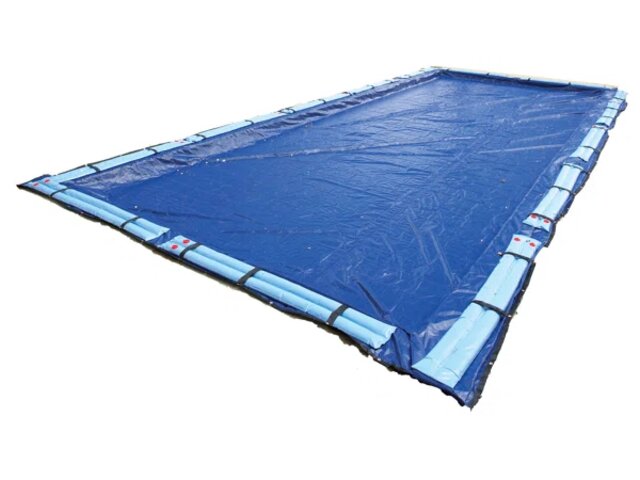
Can Pool Covers Be Recycled? Complete Disposal Guide

What do I do with my old pool cover? Can it be recycled?
Read full question
Opened my pool storage shed yesterday to find my cover completely shredded after years of patches, and now I'm stuck with this massive tarp I can't dispose of properly. I really don't want to just throw it in the dumpster if there's a better option - it seems like such a waste!
I called my local recycling center and they had no clue what I was talking about. The cover is one of those vinyl ones with the foam backing, so it's not like it's a single material. Does anyone know if there are places that actually take these things? I'm hoping there's some specialized facility or program I don't know about, because sending this thing to a landfill feels wrong.
Quick Answer
Most pool covers cannot be recycled through standard municipal programs due to mixed materials, but specialized recycling centers may accept them. Proper disposal varies by cover type and condition.
Diagnosing Your Pool Cover Recycling Options
First, let's diagnose what type of pool cover you have and its current condition, as this determines your best disposal or recycling options. Different cover materials require different approaches, and understanding your local recycling infrastructure is crucial for making the right choice.
Identifying Your Cover Type
Examine your pool cover closely to determine its construction:
- Vinyl/PVC covers: Solid, waterproof material often with reinforced edges
- Mesh safety covers: Woven polypropylene or polyester with metal hardware
- Solar covers: Bubble-wrap-like material, typically blue or clear
- Automatic covers: Vinyl tracks with aluminum or plastic components
- Winter covers: Heavy-duty vinyl or polyethylene with water bags or clips
Assessing Cover Condition
Document the cover's current state:
- Tears, holes, or UV damage that make reuse impossible
- Hardware condition (springs, anchors, straps)
- Contamination from pool chemicals, algae, or debris
- Age and overall structural integrity
Recycling Solutions by Cover Type
Vinyl and PVC Pool Covers
Standard vinyl pool covers present the biggest recycling challenge. Most municipal recycling programs cannot process these materials because they're often reinforced with fabric backing or contain additives that complicate processing. However, some solutions exist:
Specialized vinyl/PVC recycling: Most plastic film (grocery-bag) drop-offs only take polyethylene and will not accept PVC vinyl. Search instead for a dedicated PVC/rigid-plastic recycler, and call ahead to confirm they accept vinyl cover material. Companies like TerraCycle occasionally run programs for hard-to-recycle plastics, though availability varies by region.
Manufacturing take-back programs: Contact your cover's original manufacturer to ask whether they offer any end-of-life or material reclamation options. Note that programs from makers such as Loop-Loc and Meyco (e.g., Meyco's Restoration Center) are replacement/remake services that reuse your cover's measurements on file — they do not recycle the old cover itself.
Mesh Safety Covers
Mesh covers are typically made from polypropylene or polyester, which are more recyclable than vinyl:
Fabric recycling: Remove all metal hardware first. Clean mesh material can sometimes be accepted by textile recycling facilities or companies that process technical fabrics.
Hardware separation: Aluminum and stainless steel components should be separated and taken to metal recycling facilities, where they have good recycling value.
Solar Pool Covers
Solar covers are usually made from polyethylene, similar to bubble wrap:
Plastic film recycling: Some grocery stores and retail locations accept clean plastic films, though you should call ahead to confirm they accept solar cover material.
Agriculture programs: Some agricultural plastic recycling programs accept pool solar covers, as they're similar to greenhouse films.
Alternative Disposal Methods
When Recycling Isn't Available
If recycling options are limited in your area, consider these alternatives:
Repurposing projects: Cut usable sections for ground covers, tarp material, or protective sheeting for construction projects. Ensure the material is clean and free from pool chemicals before reuse.
Donation opportunities: Local community gardens, construction crews, or agricultural operations might use sections of pool covers for protective purposes.
Landfill disposal: As a last resort, most pool covers can go in regular trash, though this should be avoided when other options exist.
Professional Disposal Services
Many pool service companies offer cover disposal services when installing new covers. They often have relationships with recycling facilities or proper disposal methods that aren't available to individual homeowners.
Preparation Steps for Recycling
- Clean thoroughly: Remove all debris, leaves, and standing water. Rinse with clean water and allow to dry completely
- Remove hardware: Strip all metal components, straps, and non-recyclable attachments
- Separate materials: Sort different material types for appropriate recycling streams
- Document and photograph: Take photos of material types and any manufacturer labels for recycling facility inquiries
- Contact facilities ahead: Call potential recycling centers to confirm acceptance before transport
Prevention and Eco-Friendly Practices
Extend cover life: Proper maintenance, UV protection, and careful handling can significantly extend your cover's useful life, reducing replacement frequency.
Choose recyclable options: When purchasing new covers, ask manufacturers about end-of-life recycling programs and choose products with better recyclability profiles.
Regular inspection: Catch small problems early through regular inspections during your weekly pool maintenance routine, preventing minor issues from requiring complete cover replacement.
Remember that recycling infrastructure varies significantly by region, so research local options thoroughly. Start by contacting your municipal waste management department for guidance on local specialty recycling programs.
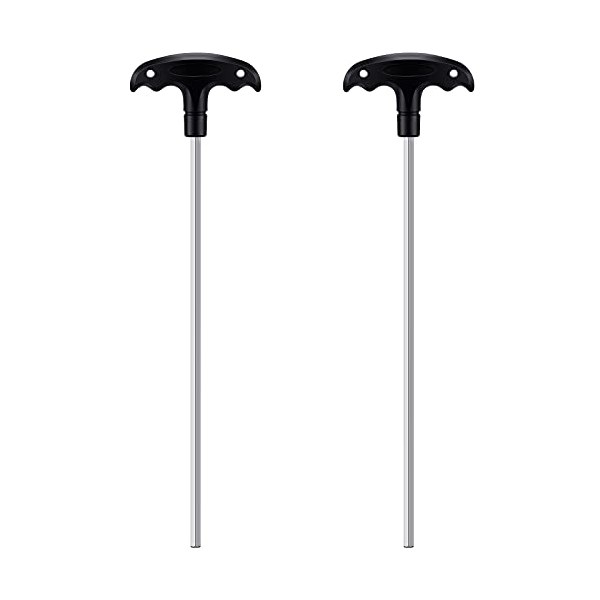 Pool Safety Cover Hex Key Tool (2-Pack)
Hex keys to install or remove a pool safety cover. View on Amazon →
Pool Safety Cover Hex Key Tool (2-Pack)
Hex keys to install or remove a pool safety cover. View on Amazon →
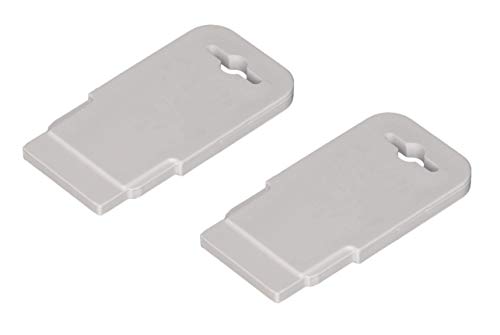 Pool Eyeball / Return Jet Fitting Removal Tool (ATIE)
Pops out & reseats Hayward SP1419 return-jet eyeballs — handy for closing. View on Amazon →
Pool Eyeball / Return Jet Fitting Removal Tool (ATIE)
Pops out & reseats Hayward SP1419 return-jet eyeballs — handy for closing. View on Amazon →
Still need help? Ask a Pool & Spa Expert AD
Get a personalized answer from PoolGuy810 — 30 years owning a pool and spa repair company. Describe your issue and get step-by-step help.
Related Pool Guides
Need More Help?
Try our free pool calculators and tools to help diagnose and fix your pool problems.
Browse Pool ToolsSLAM calculator, pH calculator, salt dosing & more