
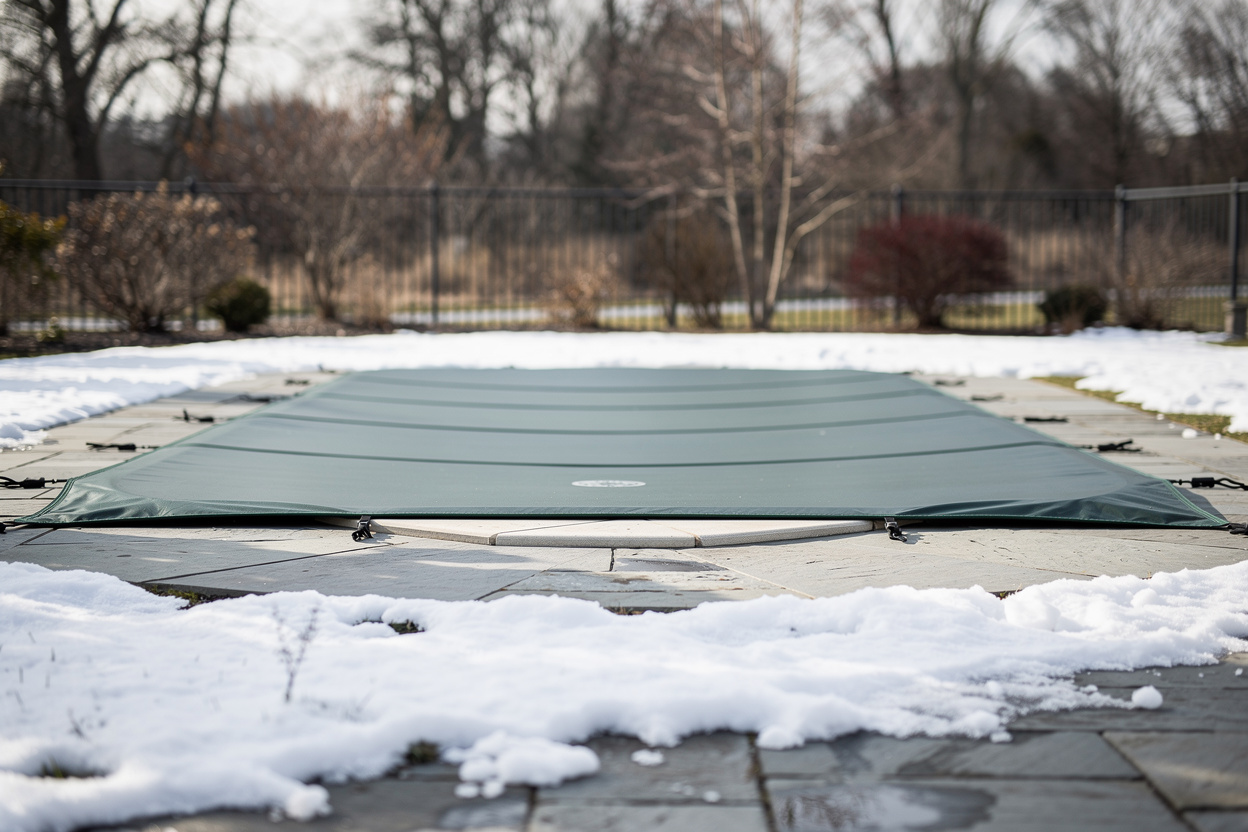
Should You Cover Your Pool When It Rains? Complete Guide

Is it safe to leave pool uncovered during rainstorms?
Read full question
Last month I was just confused about whether to cover our pool during light drizzles, but now with severe storms hitting and kids wanting to swim I'm completely panicking.
Does rainwater make the pool unsafe or dirty for swimming? I've heard mixed things about whether rain is good or bad for pool water quality.
My main concerns are debris getting in the water and whether the rain throws off the chemical balance in a way that could be harmful to my children. Should I be rushing to put the cover on every time storm clouds roll in, or is it actually okay to leave it uncovered?
Quick Answer
You usually don't need to cover your pool just for rain — modern pools handle it fine. Rain barely dilutes anything (an inch adds only about 2% to a typical pool), so it won't wash out your chlorine or stabilizer. The real reasons to cover are heavy debris and storm wind. After heavy rain, check water level (drain if it's above the skimmer), pH and alkalinity (rain is slightly acidic), and chlorine, since debris and runoff can use it up.
Why Most Pools Don't Need Rain Covers
Swimming pools are engineered to handle weather, including rain. Your pool's circulation system and skimmers are specifically designed to manage water level increases from precipitation. Rain can actually benefit your pool in several ways:
- Free top-up water: rain replaces water lost to evaporation, so you run the hose less
- Only minor dilution: the amount is small — an inch of rain adds roughly 2% to a typical pool — so it won't meaningfully change your chlorine or stabilizer
- Cost savings: Less need for fresh water additions during dry periods
- Temperature regulation: Cool rainwater can provide relief during hot summer months
When You Should Consider Covering During Rain
Heavy Storm Conditions
During severe weather with high winds, covering your pool prevents large debris like branches, leaves, and outdoor furniture from ending up in your water. Use a heavy-duty pool cover or safety cover that can withstand wind without becoming a hazard itself.
Extended Rainy Periods
If you're experiencing days of continuous rain, covering helps prevent:
- Excessive water dilution that drops sanitizer levels too low
- Overwhelming your drainage system
- Continuous debris accumulation
- Algae growth from reduced circulation during power outages
Pools with Low CYA Levels
If your cyanuric acid (CYACyanuric Acid (stabilizer) — Sunscreen for your chlorine — it keeps sunlight from burning it off. The catch: the more you have, the more chlorine you need to keep. learn more →) level is low (below 30 ppm), the rain isn't really the problem — an inch only adds about 2% to a typical pool, far too little to wash out your stabilizer. The real issue is that low CYA lets sunlight burn off chlorine fast, so you'll want to bring CYA into range regardless of the weather. Add stabilizer when convenient - following manufacturer dosage instructions as rates vary by product type. For pools with low CYA (below 30 ppm), free chlorine is targeted lower, not higher — scale it to your CYA (roughly 2-5 ppm at these levels, versus the 4-8 ppm you'd run at CYA 50). Better still, bring CYA up into the 30-50 ppm range so your chlorine lasts longer and is easier to manage.
To add stabilizer, pre-dissolve the cyanuric acid in a bucket of hot water and pour it in slowly, or use the SOCK method (put the CYA in a sock or nylon in the skimmer basket, or hang it in front of a return, squeezing occasionally). CYA dissolves slowly, so retest after a few days to a week, and don't add more until you're sure.
Problems with Unnecessary Pool Covering
Water Accumulation on Covers
Pool covers collect rainwater, creating heavy, sagging areas that can damage the cover material or pool deck. This standing water also becomes a breeding ground for mosquitoes and bacteria.
Chemical Imbalances
Covered pools during rain can develop:
- More stable pH, since less CO2 off-gasses under the cover
- Chlorine loss from lack of circulation
- Algae growth in stagnant conditions
- Concentrated chemical hot spots
Equipment Strain
Improperly secured covers can damage pool equipment, clog skimmers, or create safety hazards during storms.
Post-Rain Pool Maintenance
Immediate Actions
- Check water level: If it's above the skimmer opening, use a submersible pump to lower it
- Remove visible debris: Skim leaves, branches, and other materials immediately
- Test water chemistry: Use a reliable test kit within 24 hours
- Brush pool surfaces: Prevent algae attachment on walls and steps
Chemical Rebalancing
After significant rain (more than 1 inch), expect to adjust:
- Free Chlorine (FCFree Chlorine — The chlorine actively sanitizing your water right now. This is the number you keep an eye on. how much you need →): Rain dilutes chlorine levels - add liquid chlorine to restore proper FC/CYAFC/CYA chart — The chart that sets your chlorine target from your stabilizer (CYA) level — the two go together. see the chart → ratio. Use the all-in-one pool calculator to determine the right free chlorine level for your CYA.
- pH levels: Rain can affect pH levels, so test and add soda ash if pH drops below 7.2
- Total Alkalinity (TATotal Alkalinity — The buffer that keeps your pH from bouncing around. Get this in range and pH gets a lot easier to manage. learn more →): May need adjustment to maintain 80-120 ppm range
- Cyanuric Acid: Significant dilution may require stabilizer addition. Pre-dissolve the CYA in a bucket of hot water and pour it in slowly, or use the SOCK method (put the CYA in a sock or nylon in the skimmer basket, or hang it in front of a return, squeezing occasionally). CYA dissolves slowly, so retest after a few days to a week, and don't add more until you're sure.
Proper Rain Covering Technique
When you decide covering is necessary:
- Use appropriate covers: Heavy-duty tarps or fitted pool covers designed for weather protection
- Secure properly: Ensure covers won't blow off but can drain water
- Create drainage: Prevent water accumulation with proper slope or drainage holes
- Monitor regularly: Check cover integrity during storms
- Remove promptly: Uncover as soon as weather permits to restore circulation
Alternative Rain Management Strategies
Drainage Solutions
Install automatic pool covers with built-in pumps or upgrade your deck drainage to handle overflow more effectively than manual covering and uncovering.
Chemical Preparation
Before expected rain, slightly increase chlorine levels and ensure CYA is at optimal levels (30-50 ppm for regular chlorine, 70-80 ppm for salt water generators) to buffer against dilution.
Common Mistakes to Avoid
- Using inappropriate covers: Lightweight tarps that create more problems than protection
- Covering during light rain: Unnecessary and potentially harmful to water circulation
- Forgetting to uncover: Extended covering without circulation promotes algae growth
- Ignoring post-rain testing: Failing to rebalance chemicals after significant dilution
- Over-draining: Removing too much water can damage pool structure
Remember, your pool is designed to handle normal weather conditions. Focus on proper chemical maintenance and equipment function rather than constantly covering and uncovering. When in doubt, test your water chemistry and adjust accordingly - it's more effective than reactive covering.
For the full breakdown of safe chlorine levels by CYA level, see our pool water chemistry guide.
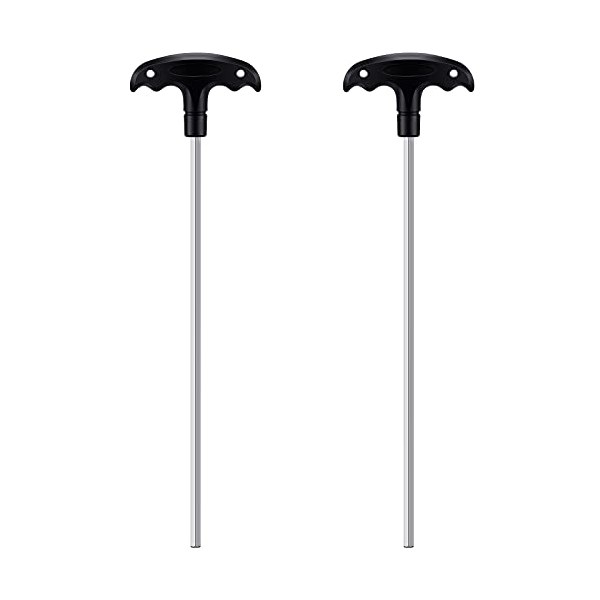 Pool Safety Cover Hex Key Tool (2-Pack)
Hex keys to install or remove a pool safety cover. View on Amazon →
Pool Safety Cover Hex Key Tool (2-Pack)
Hex keys to install or remove a pool safety cover. View on Amazon →
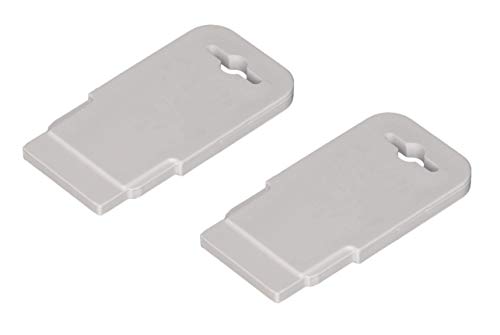 Pool Eyeball / Return Jet Fitting Removal Tool (ATIE)
Pops out & reseats Hayward SP1419 return-jet eyeballs — handy for closing. View on Amazon →
Pool Eyeball / Return Jet Fitting Removal Tool (ATIE)
Pops out & reseats Hayward SP1419 return-jet eyeballs — handy for closing. View on Amazon →
 Taylor K-2006C Complete FAS-DPD Pool & Spa Test Kit
The FAS-DPD kit pool pros trust — reads chlorine accurately even at shock/SLAM levels, plus pH, alkalinity, calcium hardness and CYA. View on Amazon →
Taylor K-2006C Complete FAS-DPD Pool & Spa Test Kit
The FAS-DPD kit pool pros trust — reads chlorine accurately even at shock/SLAM levels, plus pH, alkalinity, calcium hardness and CYA. View on Amazon →
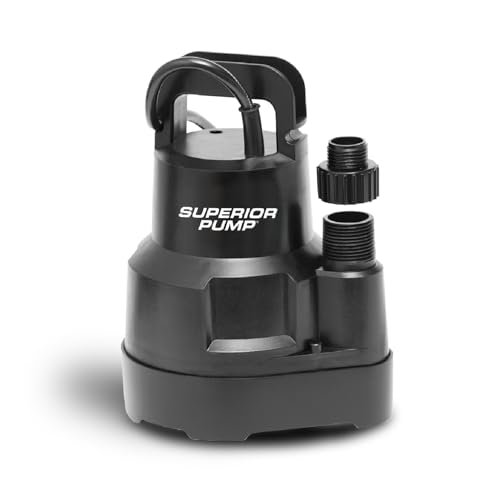 Superior Pump 91014 1/4 HP Submersible Utility Pump
Drains a pool, cover, or equipment pit when you need to lower the water. View on Amazon →
Superior Pump 91014 1/4 HP Submersible Utility Pump
Drains a pool, cover, or equipment pit when you need to lower the water. View on Amazon →
Still need help? Ask a Pool & Spa Expert AD
Get a personalized answer from PoolGuy810 — 30 years owning a pool and spa repair company. Describe your issue and get step-by-step help.
Related Pool Guides
Need More Help?
Try our free pool calculators and tools to help diagnose and fix your pool problems.
Browse Pool ToolsSLAM calculator, pH calculator, salt dosing & more