
Pool Heater Troubleshooting Guide - Fix Common Problems Fast
Quick Answer
Pool heaters can fail due to electrical issues, gas problems, water flow restrictions, or component failures. Most common issues like pilot light problems, low water flow, and thermostat malfunctions can be diagnosed and often fixed without professional help.
Quick Overview - Pool Heater Troubleshooting
Pool heater problems typically fall into four categories: electrical issues, gas supply problems, water flow restrictions, and component failures. The most common symptoms include the heater not turning on, not heating effectively, frequent cycling, or producing error codes. Before calling a professional, check basic items like power supply, gas valves, water flow, and filter cleanliness. Safety is paramount - never attempt gas line repairs or electrical work beyond basic troubleshooting.
Understanding Pool Heater Types and Common Issues
Different heater types have unique troubleshooting approaches. Understanding your specific heater type is crucial for effective diagnosis and repair.
Gas Pool Heaters
Gas heaters are the most common and fastest-heating option. They burn natural gas or propane to heat water passing through a heat exchanger. Common issues include:
- Pilot light won't stay lit or won't ignite
- Burner won't fire after pilot lights
- Heater cycles on and off frequently
- Insufficient heating despite proper operation
- Gas smell around the unit
- Corrosion or rust on heat exchanger
Electric Pool Heaters
Electric heaters use heating elements similar to water heaters. They're slower to heat but easier to maintain. Common problems include:
- Heating elements burning out
- Thermostat failures
- High limit switch tripping
- Electrical connection issues
- Insufficient power supply
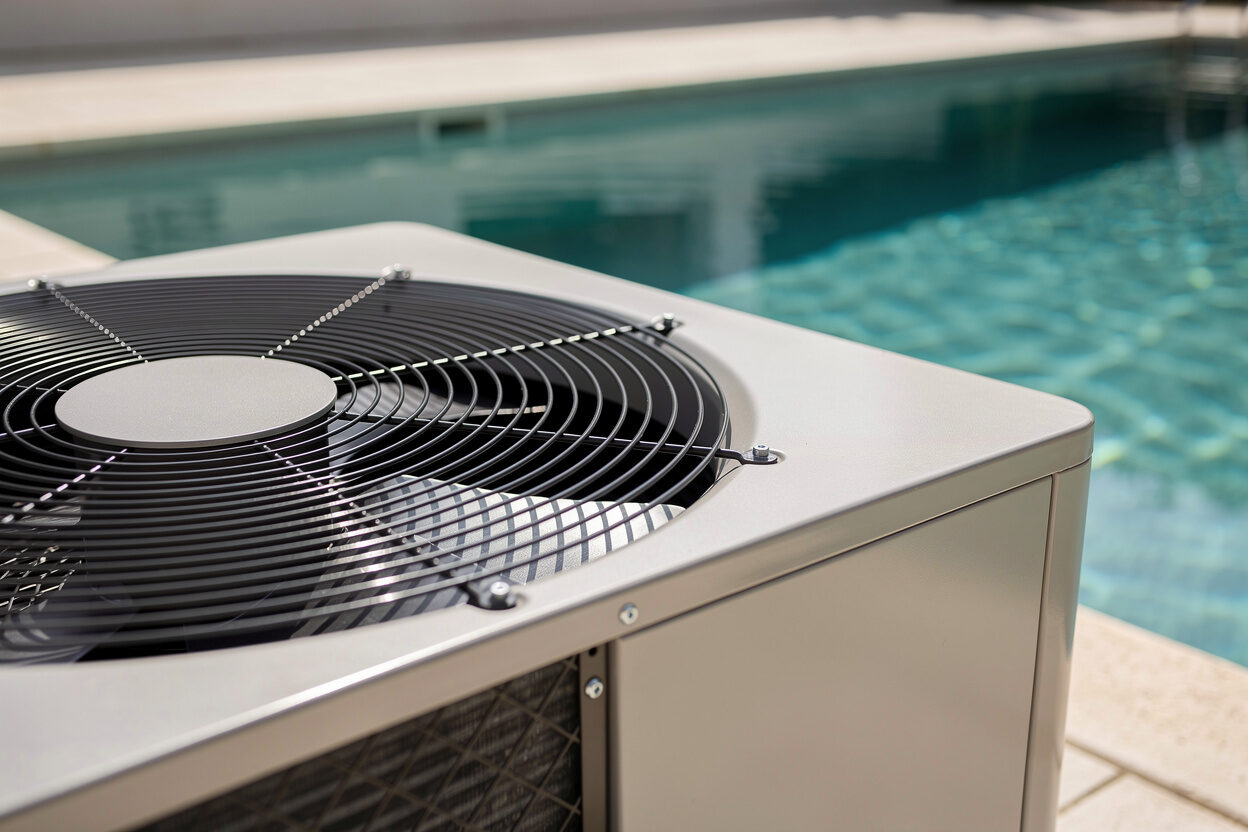
Heat Pump Pool Heaters
Heat pumps extract heat from ambient air and transfer it to pool water. They're energy-efficient but temperature-dependent. Typical issues include:
- Low refrigerant levels
- Dirty or blocked coils
- Fan motor problems
- Compressor failures
- Defrost cycle malfunctions
- Low ambient temperature shutdowns
Solar Pool Heaters
Solar heaters circulate water through collectors to absorb solar energy. For detailed information about solar heater operation and troubleshooting, see our comprehensive guide on how solar pool heaters work. Common problems include:
- Blocked or damaged collectors
- Valve actuator failures
- Sensor malfunctions
- Circulation pump issues
- Air locks in the system
Step-by-Step Heater Troubleshooting Process
Follow this systematic approach to diagnose heater problems efficiently and safely.
Initial Safety Checks
Before beginning any troubleshooting:
- Turn off power to the heater at the circuit breaker
- Turn off gas supply if applicable
- Allow the heater to cool completely
- Ensure proper ventilation around the unit
- Have a flashlight and basic tools ready
Step 1: Check Power Supply
Electrical issues cause many heater failures:
- Verify the circuit breaker hasn't tripped
- Check for blown fuses in the heater's control panel
- Inspect electrical connections for corrosion or looseness
- Test voltage at the heater with a multimeter
- Ensure GFCI outlets haven't tripped
Power issues can be tricky, similar to pool pump electrical concerns where proper connections are crucial for safety and performance.
Step 2: Verify Water Flow
Adequate water flow is essential for heater operation:
- Check if the pool pump is running properly
- Inspect the skimmer and pump baskets for debris
- Examine the filter for clogs - a dirty filter restricts flow
- Look for closed valves in the heater line
- Check for air bubbles indicating air leaks
Water flow problems often relate to pump operation. Understanding proper pump runtime schedules helps ensure adequate circulation for heating.
Step 3: Inspect Gas Supply (Gas Heaters)
For gas heaters, verify fuel supply:
- Check that gas valves are fully open
- Inspect gas lines for damage or corrosion
- Verify adequate gas pressure (requires professional gauge)
- Look for gas leaks using soapy water solution
- Ensure proper venting and combustion air supply
Step 4: Test Thermostat and Controls
Control system problems are common:
- Set thermostat above current water temperature
- Check thermostat sensor for damage or debris
- Verify control panel displays and indicators
- Test remote controls and automated systems
- Inspect wiring connections to controls
Step 5: Examine Heat Exchanger and Internal Components
Internal inspection reveals many issues:
- Look for scale buildup on heat exchanger
- Check for corrosion or rust damage
- Inspect burner tubes for blockages (gas heaters)
- Examine heating elements for damage (electric)
- Check fan operation and coil condition (heat pumps)
Troubleshooting Common Heater Problems
Address specific symptoms with targeted solutions.
Heater Won't Turn On
When your heater shows no signs of life:
- Check power supply: Verify breakers, fuses, and electrical connections
- Inspect safety switches: High limit switches and pressure switches prevent operation when tripped
- Verify water flow: Flow switches shut down heaters when water flow is insufficient
- Test thermostat: Ensure it's set above pool temperature and functioning
- Examine control board: Look for error codes or indicator lights
Heater Starts But Won't Heat
When the heater runs but doesn't produce heat:
- Gas heaters: Check pilot light, gas pressure, and burner ignition
- Electric heaters: Test heating elements with multimeter
- Heat pumps: Verify refrigerant levels and compressor operation
- All types: Check for heat exchanger blockages or scale buildup
Heater Cycles On and Off Frequently
Short cycling indicates several possible issues:
- Dirty filter restricting water flow
- Thermostat differential set too low
- High limit switch activating due to overheating
- Inadequate gas pressure (gas heaters)
- Low refrigerant (heat pumps)
- Electrical connection problems
Insufficient Heating Performance
When heating is slow or inadequate:
- Scale buildup reducing heat transfer efficiency
- Undersized heater for pool volume
- Heat loss through uncovered pool surface
- Low ambient temperature (heat pumps)
- Partially blocked burners or heating elements
- Incorrect thermostat calibration
Pool covers significantly improve heating efficiency. However, be aware that running pumps with solar covers requires consideration for proper circulation.
Strange Noises or Odors
Unusual sounds or smells indicate specific problems:
- Gas odors: Shut off gas immediately and call professional
- Burning smells: May indicate electrical problems or debris in combustion chamber
- Rattling or vibration: Loose components or fan blade issues
- Whistling sounds: Air flow restrictions or gas pressure problems
Seasonal Troubleshooting and Maintenance
Different seasons present unique heater challenges and maintenance requirements.
Spring Startup Issues
After winter closure, heaters often need attention:
- Check for winter damage from freezing
- Clean out debris from vents and air intakes
- Test all electrical connections for corrosion
- Verify gas connections and pressure
- Replace air and gas filters
- Check heat exchanger for scaling or corrosion
Spring startup relates to overall pool opening procedures. Understanding how long pools can stay closed helps prevent freeze damage to heaters.
Winter Operation Problems
Cold weather creates specific challenges:
- Heat pumps may not operate below certain temperatures
- Gas heaters may struggle with wind and cold
- Condensation can cause electrical issues
- Freezing can damage heat exchangers and plumbing
Proper winter preparation is crucial. Learn about covering heaters for winter protection and understand whether your climate requires complete pool winterization.
Even in warm climates like Orlando, heating needs vary by season, affecting troubleshooting priorities.
Weather Protection Considerations
Weather can affect heater operation and longevity. Understanding how much moisture heaters can handle helps prevent weather-related problems.
Water Chemistry Impact on Heater Performance
Proper water chemistry prevents many heater problems and extends equipment life.
pH and Alkalinity Effects
Incorrect pH damages heaters:
- Low pH (acidic): Corrodes metal components, especially heat exchangers
- High pH (basic): Promotes scale formation on heating surfaces
- Target range: 7.4-7.6 pH for optimal heater protection
Understanding proper alkalinity levels helps maintain stable pH and prevent heater damage.
Calcium Hardness Considerations
Calcium levels affect heat exchanger condition:
- Low calcium: Causes corrosive conditions
- High calcium: Creates scale buildup reducing efficiency
- Target range: 250-350 ppm for most pools
Different pool types have varying calcium needs. Vinyl pools require specific calcium management to protect metal equipment — vinyl has no calcium to etch, so the concern is the equipment, not the liner itself.
Chlorine and Sanitizer Impact
High sanitizer levels can damage heater components:
- Trichlor and dichlor are acidic and can corrode metal
- Use liquid chlorine for routine maintenance
- Maintain proper residual levels without overdosing
When shocking pools, timing matters for heater protection. Learn optimal shocking timing and understand chemical settling times before running heaters.
Preventive Maintenance Schedule
Regular maintenance prevents most heater problems and extends equipment life.
Weekly Maintenance
- Check thermostat operation and settings
- Verify adequate water flow through system
- Inspect around heater for debris or obstructions
- Test water chemistry and adjust as needed
Monthly Maintenance
- Clean skimmer and pump baskets thoroughly
- Inspect electrical connections for corrosion
- Check gas connections with soapy water (gas heaters)
- Test safety switches and controls
- Clean heat pump coils and check refrigerant lines
Seasonal Maintenance
- Professional inspection and tune-up
- Heat exchanger cleaning and descaling
- Burner cleaning and adjustment (gas heaters)
- Heating element testing (electric heaters)
- Refrigerant level check (heat pumps)
- Control calibration and safety testing
Annual Maintenance
- Complete system inspection by qualified technician
- Heat exchanger pressure testing
- Gas pressure and combustion analysis
- Electrical component testing and replacement
- Efficiency testing and performance optimization
When to Call a Professional
Some heater problems require professional expertise for safety and warranty compliance.
Gas System Issues
Always call professionals for:
- Gas leaks or strong gas odors
- Gas line repairs or modifications
- Gas pressure adjustments
- Burner replacement or adjustment
- Venting system modifications
- Heat exchanger replacement
Electrical Problems
Professional help needed for:
- High voltage electrical repairs
- Control board replacement
- Wiring modifications or upgrades
- GFCI or breaker problems
- Motor replacement
Refrigeration System (Heat Pumps)
Specialized service required for:
- Refrigerant leaks or recharging
- Compressor problems
- Expansion valve issues
- Coil replacement
- System pressure testing
Warranty Considerations
Professional service protects warranties:
- Most manufacturers require professional installation
- DIY repairs may void warranties
- Keep service records for warranty claims
- Use authorized service providers when possible
Energy Efficiency and Performance Optimization
Maximizing heater efficiency reduces operating costs and environmental impact.
Pool Covers and Heat Retention
Pool covers dramatically improve heating efficiency:
- Solar covers can raise temperature 10-15°F naturally
- Covers can cut evaporation — the single largest source of pool heat loss — by up to 95%
- Use covers consistently for maximum benefit
- Remove covers before shocking to prevent damage
However, pool covers can create conditions for algae growth without proper water circulation and chemistry maintenance.
Pump and Circulation Optimization
Proper circulation improves heating efficiency:
- Run pumps during heating cycles for better distribution
- Variable speed pumps optimize flow rates
- Clean filters ensure adequate water flow
- Proper plumbing design minimizes heat loss
Understanding variable speed pump benefits and winter pump operation helps optimize heating system performance.
Heater Sizing and Selection
Proper heater sizing affects efficiency and performance:
- Undersized heaters run constantly and inefficiently
- Oversized heaters cycle frequently and waste energy
- Consider climate, pool size, and usage patterns
- Factor in heat loss from wind, evaporation, and radiation
Frequently Asked Questions
Why won't my pool heater ignite?
Common ignition problems include insufficient gas pressure, dirty or damaged ignition components, blocked burner orifices, or electrical issues with the ignition system. Check that gas valves are fully open, the pilot light is functioning, and there's adequate power to the ignition system.
How do I know if my heater heat exchanger is damaged?
Signs of heat exchanger problems include visible corrosion or rust, water leaks around the heater, white or colored staining near the unit, reduced heating efficiency, or unusual noises during operation. Heat exchanger damage often requires professional replacement.
Why does my heater keep shutting off?
Frequent shutdowns typically result from safety switches activating due to insufficient water flow, overheating, gas pressure problems, or electrical issues. Check your filter cleanliness, water flow rate, and ensure all safety switches are properly set.
Can I run my heater with a dirty filter?
Never run a heater with a dirty filter. Restricted water flow can cause overheating, trigger safety shutdowns, and potentially damage the heat exchanger. Clean filters are essential for safe heater operation.
How often should I service my pool heater?
Annual professional service is recommended for most pool heaters, with more frequent service for heavily used systems or harsh environments. Monthly owner maintenance should include basic cleaning and inspection.
Why is my electric heater not heating?
Electric heater problems usually involve failed heating elements, tripped high limit switches, thermostat malfunctions, or inadequate power supply. Test heating elements with a multimeter and check that the unit receives proper voltage.
What temperature should I set my pool heater?
Most pool owners prefer temperatures between 78-82°F. Higher temperatures increase operating costs significantly. Consider using a pool cover and lower nighttime settings to reduce energy consumption.
Can cold weather damage my heater?
Freezing temperatures can crack heat exchangers and damage plumbing if water remains in the system. Heat pumps may not operate below certain ambient temperatures. Proper winterization prevents freeze damage in cold climates.
Related Pool Equipment Guides
Pool heaters work as part of your complete pool system. These related guides help optimize overall pool performance:
- Complete guide to pool heater operation - Understanding different heater types and their mechanisms
- Pool pump troubleshooting - Ensuring proper circulation for heating
- Pool winterization procedures - Protecting equipment during cold months
- Pool filtration optimization - Maintaining clean water for efficient heating
- Pool chemical storage and shelf life - Maintaining water chemistry for equipment protection
Proper pool maintenance involves coordinating all systems. Understanding when to shock pools before winter closing and regular shocking schedules helps maintain water quality that protects heating equipment.
For pools in regions like Las Vegas with year-round operation, heater maintenance becomes even more critical for consistent performance.
For the full breakdown of safe chlorine levels by CYACyanuric Acid (stabilizer) — Sunscreen for your chlorine — it keeps sunlight from burning it off. The catch: the more you have, the more chlorine you need to keep. learn more → level, see our pool water chemistry guide.
Still need help? Ask a Pool & Spa Expert AD
Get a personalized answer from PoolGuy810 — 30 years owning a pool and spa repair company. Describe your issue and get step-by-step help.
Related Pool Guides
Need More Help?
Try our free pool calculators and tools to help diagnose and fix your pool problems.
Browse Pool ToolsSLAM calculator, pH calculator, salt dosing & more