
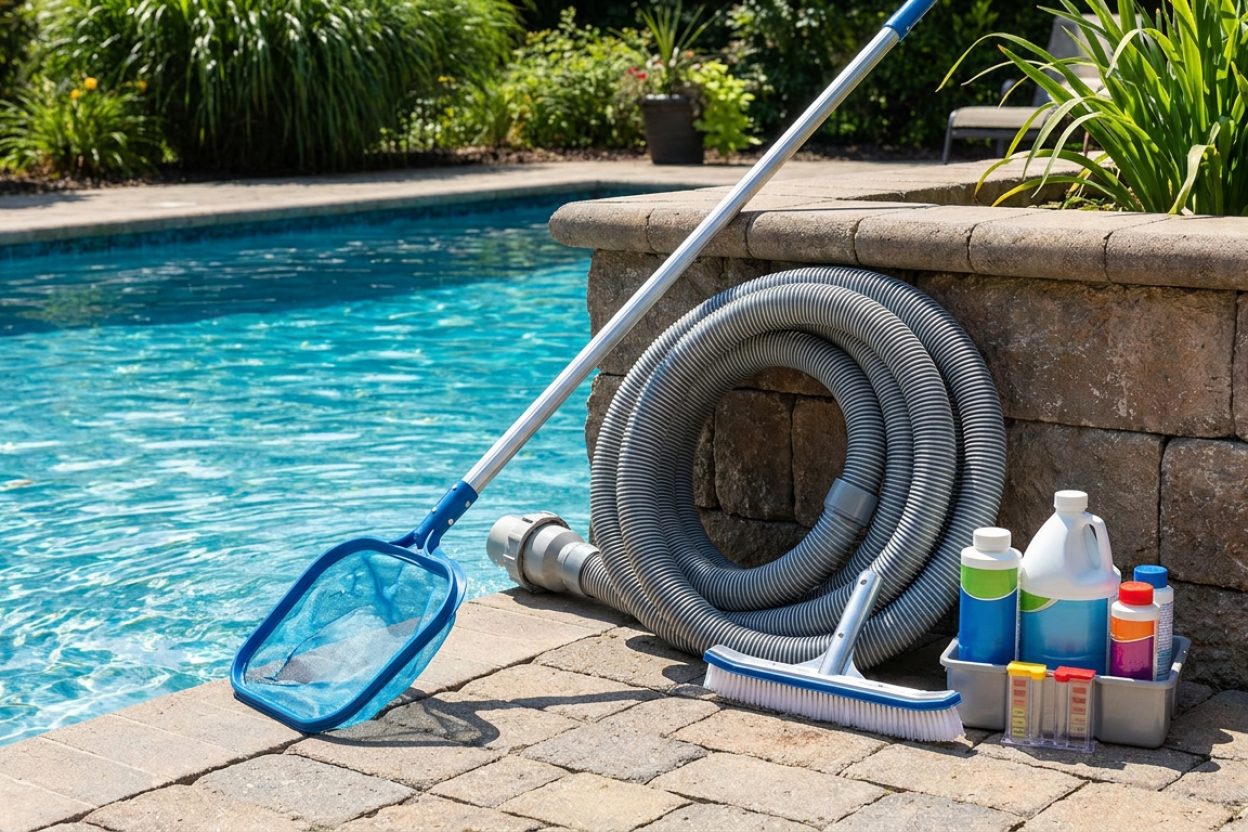
Do I Need to Shock My Pool Weekly? Complete Frequency Guide

How often should I really be shocking my pool?
Read full question
According to my test strips, my pool's chlorine levels are doing something bizarre — dropping to zero right after shocking, then spiking without me adding anything. My pool store guy says I should shock every week no matter what, but that seems like overkill (and expensive!). My neighbor says he only shocks when there's a problem.
I've got a pretty standard setup and we use the pool regularly but not crazy amounts. The water looks fine most of the time. Am I supposed to be shocking weekly or can I get away with less? What actually determines when you need to shock?
Quick Answer
You don't necessarily need to shock your pool weekly. Shocking frequency depends on usage, weather conditions, and your free chlorine levels. Most well-maintained pools need shocking every 2-3 weeks or when combined chlorine exceeds 0.5 ppm.
How Often Should You Shock?
First question: are you shocking your pool every week because someone told you to, or because your water actually needs it? The frequency of shocking depends on pool usage, weather conditions, bather load, and your water chemistry readings. Most properly maintained pools require shocking every 2-3 weeks, while heavily used or problematic pools may need weekly treatment.
When You Actually Need to Shock Your Pool
The decision to shock should be based on water testing results, not an arbitrary schedule. Here are the specific conditions that warrant shocking:
Combined Chlorine Levels
Test your water using a reliable test kit like the Taylor K-2006C. When combined chlorine (total chlorine minus free chlorine) reaches 0.5 ppm or higher, it's time to shock. Combined chlorine indicates chloramines are present, which cause that strong "chlorine" smell and eye irritation.
Why Chlorine Reads Zero Right After Shocking
If your test strips show chlorine dropping to zero immediately after shocking and then "recovering" on their own a few hours later, that's almost always your test strips bleaching out at high free chlorine — not a real chlorine swing. At very high FCFree Chlorine — The chlorine actively sanitizing your water right now. This is the number you keep an eye on. how much you need →, strips (and the DPD color test) can over-oxidize and read zero or near-zero. To confirm, dilute your water sample 1:1 (or 10:1) with bottled water and retest: if it now shows color, you actually had plenty of chlorine; if it's still zero, you really are at zero. A FAS-DPDFAS-DPD test — A drop-based test that reads chlorine accurately even at high "shock" levels, where test strips give up. see test kits → reagent kit like the Taylor K-2006C measures high FC accurately and avoids this confusion entirely.
Algae Growth or Cloudy Water
If you notice any algae formation or water clarity issues, implement the SLAMShock Level And Maintain — raise free chlorine to a target based on your CYA and hold it there until the algae is gone. It's a process, not a one-time dose. the SLAM walkthrough → method (Shock Level And Maintain). This means raising free chlorine to shock level based on your CYACyanuric Acid (stabilizer) — Sunscreen for your chlorine — it keeps sunlight from burning it off. The catch: the more you have, the more chlorine you need to keep. learn more → (stabilizer) level and maintaining it until the water clears completely.
Heavy Usage Periods
After pool parties, heavy swimmer loads, or extended periods of high temperatures, shocking helps eliminate contaminants that regular chlorination can't handle effectively.
Understanding Your Pool's Shocking Needs
Pool Usage Factors
Low-usage pools (family of 2-4, occasional swimming) typically need shocking every 2-3 weeks. High-usage pools (frequent entertaining, large families, daily swimming) may require weekly shocking during peak season.
Environmental Conditions
Extreme heat, heavy rainfall, dust storms, or high winds introduce contaminants that increase shocking frequency. During 90°F+ weather, even well-maintained pools may need shocking every 7-10 days.
Stabilizer (CYA) Levels
Your CYA level determines shock requirements. Maintain CYA between 30-50 ppm for regular pools or 70-80 ppm for salt water generators (check manufacturer specifications as most recommend higher levels for optimal performance). Higher CYA requires more chlorine to achieve proper shock levels, making regular shocking more critical.
Proper Shocking Procedure
Calculate Required Chlorine
Our all-in-one pool calculator gives a quick estimate of the amount of chlorine to add based on your pool size and current vs. target free chlorine levels, which is the a handy reference approach.
Use liquid chlorine (sodium hypochlorite) rather than granular shock for better results and no stabilizer buildup. For shock level, refer to the all-in-one pool calculator to determine proper free chlorine levels based on your specific CYA reading (typically 10-20+ ppm depending on CYA level).
Application Steps
- Confirm pH is in the normal 7.2-7.8 range before shocking; there's no need to drive it to a narrow band, since lower pH already favors the active form of chlorine
- Add liquid chlorine in evening or at night to prevent UV degradation
- Pour chlorine around pool perimeter with pump running
- Brush pool walls and floor to distribute chlorine evenly
- Run filtration system continuously during shock treatment
- Retest free chlorine after 8-12 hours for the Overnight Chlorine Loss Test (OCLT)
- Maintain shock level until overnight chlorine loss drops below 1 ppm
Alternative to Weekly Shocking
Maintain Proper Daily Chlorine Levels
Instead of relying on weekly shocking, maintain consistent free chlorine levels based on your CYA. For 50 ppm CYA, keep free chlorine between 4-6 ppm daily. This approach reduces the need for frequent shocking.
Use Supplemental Oxidation
Non-chlorine oxidizers like potassium monopersulfate can handle light oxidation needs between chlorine shocks, extending the time between major shock treatments.
Signs You're Shocking Too Frequently
Overuse of granular chlorine shock can raise CYA levels excessively, requiring partial water replacement. If CYA exceeds 80 ppm, reduce shocking frequency and switch to liquid chlorine exclusively.
Cost Considerations
Weekly shocking when unnecessary wastes money and chemicals. Regular water testing costs less than excessive chemical use and helps maintain balanced water chemistry long-term.
Seasonal Shocking Schedule
Peak Season (Summer)
Test water 2-3 times weekly, shock based on combined chlorine readings or every 1-2 weeks depending on usage and weather conditions.
Off-Season (Winter)
Reduce shocking frequency to once monthly or as needed based on testing, since bacterial growth and contamination decrease significantly in cooler temperatures.
Common Shocking Mistakes to Avoid
Warning: Never mix different types of chlorine products, and always add chemicals to water, not water to chemicals. Store shock products in cool, dry locations away from other pool chemicals, especially acids and fuels (chlorine + acid releases toxic gas; an oxidizer + fuel can ignite).
- Shocking during daylight hours reduces effectiveness due to UV degradation
- Adding shock to skimmer can damage equipment and create dangerous gas buildup
- Check pH before shocking; extreme pH can cause cloudiness and scaling, so keep pH in the 7.2-7.8 range (sanitizing power is governed mainly by FC and CYA, not a narrow pH band)
- Using expired shock products provides inconsistent results
- Swimming immediately after shocking can cause skin and eye irritation
The key to successful pool maintenance is consistent testing and responding to actual water conditions rather than following rigid weekly schedules. Invest in a quality test kit, learn to interpret results accurately, and adjust your shocking frequency based on your pool's specific needs throughout the season.
For the full breakdown of safe chlorine levels by CYA level, see our pool water chemistry guide.
 Taylor K-2006C Complete FAS-DPD Pool & Spa Test Kit
The FAS-DPD kit pool pros trust — reads chlorine accurately even at shock/SLAM levels, plus pH, alkalinity, calcium hardness and CYA. View on Amazon →
Taylor K-2006C Complete FAS-DPD Pool & Spa Test Kit
The FAS-DPD kit pool pros trust — reads chlorine accurately even at shock/SLAM levels, plus pH, alkalinity, calcium hardness and CYA. View on Amazon →
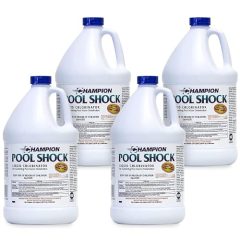 Liquid Chlorine / Sodium Hypochlorite (12.5%)
Everyday sanitizer — the B in BBB View on Amazon →
Liquid Chlorine / Sodium Hypochlorite (12.5%)
Everyday sanitizer — the B in BBB View on Amazon →
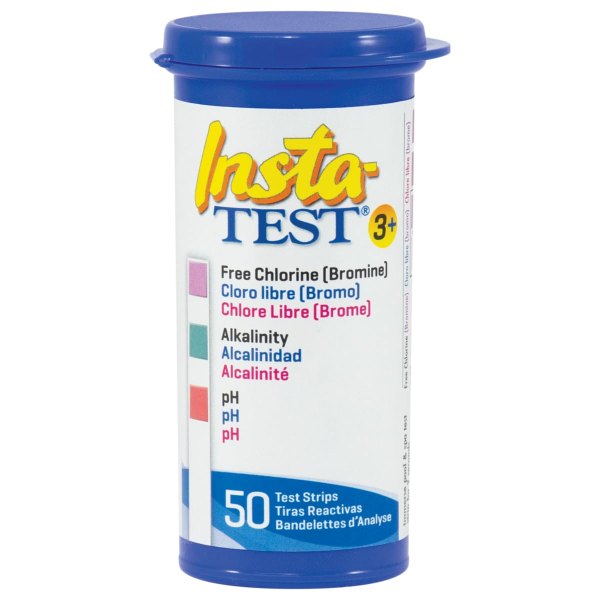 LaMotte Insta-Test 3 Pool Strips (50 ct)
Pro-grade 3-way strips from LaMotte — chlorine, pH & alkalinity, fast and accurate. Top-rated at 4.8★. View on Amazon →
LaMotte Insta-Test 3 Pool Strips (50 ct)
Pro-grade 3-way strips from LaMotte — chlorine, pH & alkalinity, fast and accurate. Top-rated at 4.8★. View on Amazon →
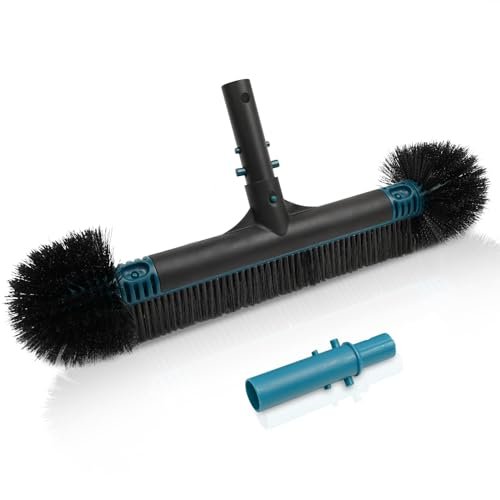 Poolvio 20" 2-in-1 Pool Brush Head (Walls & Floor)
Sturdy 20-inch brush head that clips onto any standard telescopic pole. View on Amazon →
Poolvio 20" 2-in-1 Pool Brush Head (Walls & Floor)
Sturdy 20-inch brush head that clips onto any standard telescopic pole. View on Amazon →
Still need help? Ask a Pool & Spa Expert AD
Get a personalized answer from PoolGuy810 — 30 years owning a pool and spa repair company. Describe your issue and get step-by-step help.
Need More Help?
Try our free pool calculators and tools to help diagnose and fix your pool problems.
Browse Pool ToolsSLAM calculator, pH calculator, salt dosing & more