
How Long Can a Pool Stay Closed? Duration & Safety Limits

What are the safe duration limits for keeping a pool closed?
Read full question
Between the winter thaw and spring opening every year, I'm left wondering if my pool's been closed too long and the water is now unsafe. My facility requires extended closure periods for various operational reasons, and I want to establish clear protocols for both planned seasonal shutdowns and emergency closures.
Specifically, I'm looking for data on maximum safe closure timeframes before water chemistry becomes unmanageable and equipment integrity is compromised. What are the industry standards for winterized pools versus temporary emergency closures?
Quick Answer
A properly winterized pool can stay closed for 6-8 months safely, while emergency closures should be limited to 2-4 weeks maximum. Beyond these timeframes, water chemistry deterioration and equipment damage risks increase significantly.
Seasonal Pool Closures (6-8 Months)
Properly winterized pools can safely remain closed through entire winter seasons. This involves comprehensive preparation including water chemistry balancing, equipment winterization, and appropriate covering. Before closing, balance your water chemistry with pH at 7.2-7.6, total alkalinity at 80-120 ppm, and calcium hardness at 250-350 ppm. Add winterizing chemicals including algaecide and metal sequestrant.
During extended closure, algae growth slows significantly as water drops through the 60s and doesn't fully stop until around 40°F (it can still grow slowly even at ~50°F), making long-term closure more feasible. However, even winterized pools require occasional monitoring - check your cover monthly for damage and inspect for debris accumulation that could cause drainage issues.
Emergency/Temporary Closures (2-4 Weeks Maximum)
Short-term closures due to equipment failure, renovation, or travel should be limited to 2-4 weeks. Beyond this timeframe, water chemistry deteriorates rapidly, especially in warm weather. Chlorine dissipates within 3-7 days without circulation, creating ideal conditions for algae bloom and bacterial growth.
For temporary closures, maintain minimum chemical levels: free chlorine at the right level for your CYACyanuric Acid (stabilizer) — Sunscreen for your chlorine — it keeps sunlight from burning it off. The catch: the more you have, the more chlorine you need to keep. learn more → (typically 4-8 ppm for a stabilized outdoor pool), pH at 7.4-7.6, and ensure your pool cover blocks sunlight. Test and adjust chemicals every 3-4 days during closure. If your closure extends beyond 2 weeks, consider running your pump system for 2-4 hours daily to maintain circulation.
Climate Impact on Closure Duration
Your geographic location dramatically affects safe closure duration. In northern climates with freezing temperatures, seasonal closures of 6-8 months are standard practice. The cold water temperature naturally inhibits bacterial growth and algae development, making extended closure manageable.
In warm climates (consistently above 70°F), closure duration should be significantly shorter. Water temperatures above 80°F accelerate chemical consumption and biological growth. In these conditions, even with proper chemical treatment, closures exceeding 4 weeks risk serious water quality issues requiring professional intervention.
Warning Signs Your Pool Has Been Closed Too Long
Immediate attention required if you notice:
- Green or cloudy water indicating algae growth
- Strong chemical or musty odors
- Visible debris or sediment accumulation
- Equipment corrosion or mineral deposits
- Cracked or damaged pool surfaces
- Cover deterioration or standing water on cover
These symptoms indicate your closure period has exceeded safe limits and professional assessment may be necessary.
Proper Reopening After Extended Closure
Reopening after closure requires systematic approach regardless of closure duration. Remove and clean your cover thoroughly before storing. Test water chemistry completely - pH, total alkalinity, free/total chlorine, calcium hardness, and cyanuric acid levels.
Expect significant chemical adjustments after extended closure. Start your pump system and run continuously until water clears. If water is green or cloudy, perform SLAMShock Level And Maintain — raise free chlorine to a target based on your CYA and hold it there until the algae is gone. It's a process, not a one-time dose. the SLAM walkthrough → (Shock Level And Maintain) process using liquid chlorine. Dosing depends on your current FCFree Chlorine — The chlorine actively sanitizing your water right now. This is the number you keep an eye on. how much you need → level and target SLAM level based on CYA - consult the all-in-one pool calculator to determine the SLAM level (significantly higher than normal operating levels), then test and adjust accordingly.
Brush all surfaces thoroughly and vacuum debris before balancing chemicals. Plan 3-7 days for complete reopening process after extended closure, longer if significant algae growth occurred.
Equipment Considerations During Closure
Extended closure affects your pool equipment differently than water chemistry. Pump seals can dry out during long periods of inactivity, potentially causing leaks when restarted. Heater components may corrode without regular operation, and filter media often requires replacement after extended closure.
For closures exceeding 3 months, plan equipment inspection and possible service before reopening. This prevents damage from attempting to restart equipment that has deteriorated during closure period.
For the full breakdown of safe chlorine levels by CYA level, see our pool water chemistry guide.
 Taylor K-2006C Complete FAS-DPD Pool & Spa Test Kit
The FAS-DPD kit pool pros trust — reads chlorine accurately even at shock/SLAM levels, plus pH, alkalinity, calcium hardness and CYA. View on Amazon →
Taylor K-2006C Complete FAS-DPD Pool & Spa Test Kit
The FAS-DPD kit pool pros trust — reads chlorine accurately even at shock/SLAM levels, plus pH, alkalinity, calcium hardness and CYA. View on Amazon →
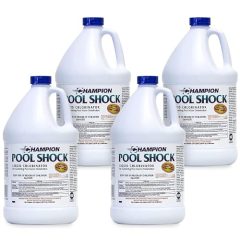 Liquid Chlorine / Sodium Hypochlorite (12.5%)
Everyday sanitizer — the B in BBB View on Amazon →
Liquid Chlorine / Sodium Hypochlorite (12.5%)
Everyday sanitizer — the B in BBB View on Amazon →
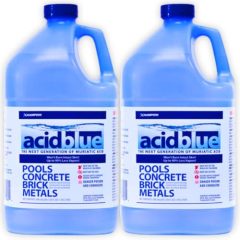 Acid Blue - Low Fume Muriatic Acid for Swimming Pools & Spas - Lower's pH, Reduces Alkalinity - 2 Gallon
View on Amazon →
Acid Blue - Low Fume Muriatic Acid for Swimming Pools & Spas - Lower's pH, Reduces Alkalinity - 2 Gallon
View on Amazon →
Still need help? Ask a Pool & Spa Expert AD
Get a personalized answer from PoolGuy810 — 30 years owning a pool and spa repair company. Describe your issue and get step-by-step help.
Need More Help?
Try our free pool calculators and tools to help diagnose and fix your pool problems.
Browse Pool ToolsSLAM calculator, pH calculator, salt dosing & more