
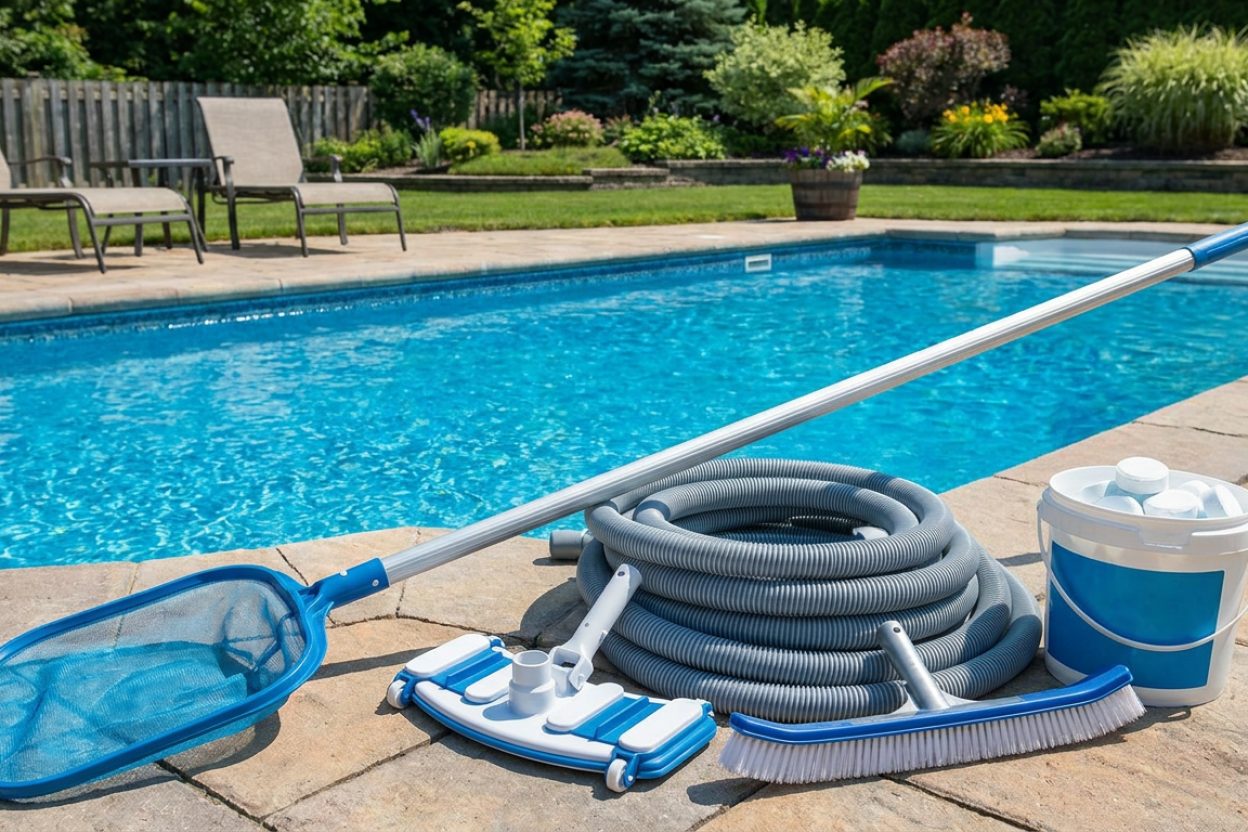
How Long Can You Keep a Pool Closed? Complete Guide

What's the longest I can keep my pool closed to save money?
Read full question
During winter I'm trying to decide between keeping my pool closed all season to save on chemicals versus opening it and dealing with the constant money drain from maintenance. Every time I go to the pool store they're trying to upsell me on some expensive treatment or service. I'm thinking about just closing my pool for an extended period to avoid all these costs.
Can I keep it closed for longer than just the winter months? What's the maximum time I can leave it shut down without causing permanent damage? I'd rather do the work myself when I reopen it than keep throwing money at these overpriced pool companies all season long.
Quick Answer
You can keep a pool closed indefinitely with proper winterization and maintenance. Seasonal closures (3-6 months) require standard winterization, while extended closures (6+ months) need additional precautions and periodic monitoring.
Seasonal Pool Closures (3-6 Months)
Most pool owners close their pools seasonally during winter months, typically keeping them closed for 3-6 months. This timeframe is well within safe parameters when following proper winterization procedures:
Standard Winterization Requirements
- Balance water chemistry before closing: pH 7.2-7.4, total alkalinity 80-120 ppm, calcium hardness 250-350 ppm (plaster/concrete) or 175-225 ppm (vinyl/fiberglass)
- Shock the pool to the shock level for your CYACyanuric Acid (stabilizer) — Sunscreen for your chlorine — it keeps sunlight from burning it off. The catch: the more you have, the more chlorine you need to keep. learn more → using liquid chlorine (check the shock level for your CYA)
- Add winterizing chemicals: algaecide and pool shock/oxidizer as directed
- Lower water level 4-6 inches below skimmer (or per manufacturer instructions)
- Blow out plumbing lines (and add pool-grade propylene-glycol antifreeze as an optional extra safeguard, especially if you can't fully blow out a line)
- Remove and store equipment like ladders, diving boards, and pool cleaners
- Install winter cover properly secured with water bags or safety cover anchors
Extended Closures (6+ Months)
Pools can remain closed for extended periods beyond the typical season, but require additional attention and maintenance. Extended closures might occur due to renovations, travel, financial constraints, or property transitions.
Additional Precautions for Long-Term Closures
Water Level Management: Check water levels monthly, especially during hot weather when evaporation accelerates. Maintain proper water level to prevent liner shrinkage in vinyl pools or structural issues in concrete pools. Add water as needed, but retest and adjust chemistry afterward.
Chemical Monitoring: Test water chemistry every 6-8 weeks during extended closures. Even with winter chemicals, algae can develop over time, especially in warmer climates. Add chlorine to maintain the shock level for your CYA (check the shock level for your CYA) if algae or contamination develops, as properly winterized pools should maintain low but detectable residual chlorine levels.
Cover Maintenance: Inspect covers monthly for tears, sagging, or water accumulation. Remove standing water from solid covers using a cover pump to prevent cover damage and mosquito breeding. Replace damaged covers immediately to prevent contamination.
Climate Considerations
Cold Climates
In freezing climates, pools can remain closed safely for 6-8 months annually. The cold temperatures naturally inhibit algae growth and bacterial development. However, ensure all plumbing is properly winterized with antifreeze (propylene glycol-based pool antifreeze, not automotive antifreeze) to prevent costly freeze damage.
Warm Climates
Pools in warm climates face greater challenges during extended closures. Temperatures above 65-70°F significantly increase algae and bacteria growth even under covers. Consider these additional steps:
- Use stronger algaecide concentrations (follow manufacturer guidelines)
- Install automatic chemical feeders for extended closures
- Check chemistry more frequently (every 3-4 weeks)
- Consider partial draining and refilling for closures exceeding 12 months
Maximum Closure Duration
Theoretically, pools can remain closed indefinitely with proper maintenance, but practical considerations emerge after certain timeframes:
12+ Months: Major Considerations
After one year, consider partial water replacement. Even with chemical maintenance, dissolved solids accumulate, making water balance increasingly difficult. Drain 1/3 to 1/2 of the pool water (checking local drainage regulations and ensuring adequate water remains to prevent hydrostatic pressure damage) and refill with fresh water, then rebalance chemistry completely.
24+ Months: Professional Assessment
Extended closures beyond two years warrant professional inspection including structural assessment (especially important for concrete pools prone to cracking), equipment servicing, pool surface cleaning or repair, and plumbing system integrity evaluation.
Reopening After Extended Closures
The longer a pool remains closed, the more intensive the reopening process becomes:
- Remove cover carefully, cleaning debris before folding
- Test water chemistry completely using a quality test kit (Taylor K-2006 recommended)
- If water is green or cloudy, perform SLAMShock Level And Maintain — raise free chlorine to a target based on your CYA and hold it there until the algae is gone. It's a process, not a one-time dose. the SLAM walkthrough → (Shock Level And Maintain) process to the shock level for your CYA (check the shock level for your CYA) using liquid chlorine
- Brush all surfaces thoroughly to remove biofilm and algae
- Clean or replace filter media
- Gradually adjust pH, total alkalinity, and calcium hardness over several days
- Run filtration system 24/7 until water clears completely
- Retest and maintain proper chemical levels for one week before swimming
Cost Considerations
Extended closures can save money on regular maintenance chemicals and utilities, but budget for:
- Winterization chemicals: $50-150 annually
- Cover maintenance or replacement: $200-2000 depending on cover type
- Periodic water testing supplies: $30-60
- Professional reopening service: $200-500 for extended closures
- Potential equipment repairs after long dormancy periods
Common Mistakes to Avoid
Never completely neglect a closed pool. Even with covers, environmental factors affect water chemistry and equipment integrity. Avoid using automotive antifreeze in pool plumbing, as it's toxic. Don't assume covers prevent all contamination - wind-blown debris and cover deterioration can introduce contaminants.
Prevent liner damage by maintaining proper water levels in vinyl pools. Empty pools can suffer structural damage from groundwater pressure or liner shrinkage.
Professional vs. DIY Considerations
Seasonal closures are typically manageable for experienced pool owners, but extended closures beyond 12 months benefit from professional consultation. Pool service companies can establish maintenance schedules, provide equipment storage, and ensure proper reopening procedures.
The bottom line: pools can remain closed safely for any duration with appropriate care, but longer closures require proportionally more attention to prevent costly damage and ensure successful reopening.
For the full breakdown of safe chlorine levels by CYA level, see our pool water chemistry guide.
 Taylor K-2006C Complete FAS-DPD Pool & Spa Test Kit
The FAS-DPD kit pool pros trust — reads chlorine accurately even at shock/SLAM levels, plus pH, alkalinity, calcium hardness and CYA. View on Amazon →
Taylor K-2006C Complete FAS-DPD Pool & Spa Test Kit
The FAS-DPD kit pool pros trust — reads chlorine accurately even at shock/SLAM levels, plus pH, alkalinity, calcium hardness and CYA. View on Amazon →
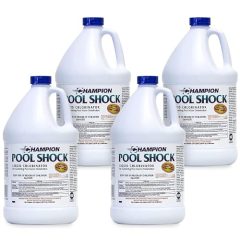 Liquid Chlorine / Sodium Hypochlorite (12.5%)
Everyday sanitizer — the B in BBB View on Amazon →
Liquid Chlorine / Sodium Hypochlorite (12.5%)
Everyday sanitizer — the B in BBB View on Amazon →
Still need help? Ask a Pool & Spa Expert AD
Get a personalized answer from PoolGuy810 — 30 years owning a pool and spa repair company. Describe your issue and get step-by-step help.
Related Pool Guides
Need More Help?
Try our free pool calculators and tools to help diagnose and fix your pool problems.
Browse Pool ToolsSLAM calculator, pH calculator, salt dosing & more