
When Are Pools Open in Las Vegas? Year-Round Pool Season

Vegas pool season - open year round or seasonal?
Read full question
My Vegas hotel's pool is supposedly "closed for winter" but I'm literally watching guests splash around in 70-degree weather right now. Do most hotels and resorts close pools during winter months like other places? Or does the desert climate keep them running all year?
Looking at both resort pools and maybe some residential options. Want to know if there's a specific season or if it's pretty much always pool weather out there.
Quick Answer
Most Las Vegas pools operate year-round due to the desert climate, with peak season from May through October. Many commercial pools and resorts stay open 24/7 during peak months, while residential pools typically benefit from heating systems November through March.
Peak Pool Season Schedule
The prime pool season in Las Vegas runs from May through October, when daytime temperatures consistently stay above 85°F and water temperatures naturally maintain comfortable levels between 78-85°F without additional heating. During these months:
- Resort pools often operate 24/7 with full amenities
- Public pools extend hours to 6 AM - 10 PM or later
- Pool maintenance companies switch to peak season schedules
- Chemical consumption increases due to higher bather loads and UV exposure
July and August Considerations
During the hottest months, when temperatures exceed 110°F, many pools actually become too warm for comfortable swimming without cooling systems. Water temperatures can reach 90-95°F, requiring pool chillers or nighttime cooling to maintain comfortable conditions.
Off-Season Pool Operations
From November through March, Las Vegas pools face unique desert challenges. While daytime temperatures often reach 60-70°F, nighttime lows can drop to freezing levels, creating significant temperature swings that affect pool chemistry and equipment.
Winter Heating Requirements
Residential pools typically require heating systems during winter months to maintain swimmable temperatures. Gas heaters are most common, with operating costs ranging from $200-600 monthly depending on pool size and desired temperature. Heat pump efficiency decreases at lower temperatures (varies by model and refrigerant type), with most units losing effectiveness below about 50°F, which is why gas heaters are generally preferred for cold Las Vegas winter nights, though heat pumps work well on milder winter days.
Pool Chemistry During Vegas Seasons
The extreme desert climate creates specific maintenance challenges throughout the year. High temperatures and intense UV radiation during peak season require increased attention to sanitizer levels and stabilizer management.
Peak Season Chemistry Management
From May through October, maintain higher free chlorine levels due to increased UV degradation and bather loads:
- Test and adjust CYACyanuric Acid (stabilizer) — Sunscreen for your chlorine — it keeps sunlight from burning it off. The catch: the more you have, the more chlorine you need to keep. learn more → (stabilizer) levels to 50-80 ppm to protect chlorine from intense desert sun
- Monitor pH levels twice weekly as high temperatures accelerate chemical reactions
- Increase filtration run times to achieve 2-3 complete turnovers per day during peak season
- Shock the pool after heavy use periods to restore proper sanitizer levels
Winter Chemistry Adjustments
During cooler months, chemical demand decreases but temperature fluctuations create other challenges:
- Reduce chlorine generation on salt water pools by 30-40%
- Monitor total alkalinity more closely as pH tends to drift with temperature changes
- Test calcium hardness monthly as heated water increases scale potential
- Maintain 6-8 ppm free chlorine for salt/SWG pools with CYA 70-80 to prevent algae growth
Commercial vs Residential Pool Schedules
Resort and hotel pools in Las Vegas typically maintain year-round operations with heated pools and spas. Major properties like MGM, Caesars, and Bellagio keep pools open 24/7 during peak season with reduced hours (typically 6 AM - 8 PM) during winter months.
HOA and Community Pool Schedules
Homeowner association pools commonly operate on seasonal schedules:
- Peak Season (May-October): 6 AM - 10 PM daily
- Shoulder Season (April, November): 7 AM - 8 PM daily
- Winter Season (December-March): 8 AM - 6 PM daily, some close entirely
Equipment and Maintenance Considerations
The Las Vegas climate demands specific equipment considerations for year-round pool operation. Variable speed pumps help manage the increased runtime requirements during peak season while reducing energy costs during cooler months.
Essential Equipment for Year-Round Operation
- Pool heater (gas or heat pump) properly sized based on pool volume, desired temperature rise, and local climate conditions - consult manufacturer specifications
- Automatic pool cover to reduce heat loss and chemical consumption
- UV-resistant pool finishes and equipment to withstand intense desert sun
- Professional service plan for rapid equipment repair during extreme heat when failures are most critical
Cost Planning for Las Vegas Pool Operations
Budget approximately $150-300 monthly for pool maintenance during peak season, including increased chemical costs, higher electricity usage for extended pump runtime, and additional cleaning services. Winter months typically see 30-50% lower maintenance costs but may include heating expenses of $200-600 monthly depending on desired water temperature and pool size.
Safety Warning: Always maintain proper chemical levels year-round, even during periods of non-use, as the warm Las Vegas climate can support rapid algae and bacteria growth in untreated water.
For the full breakdown of safe chlorine levels by CYA level, see our pool water chemistry guide.
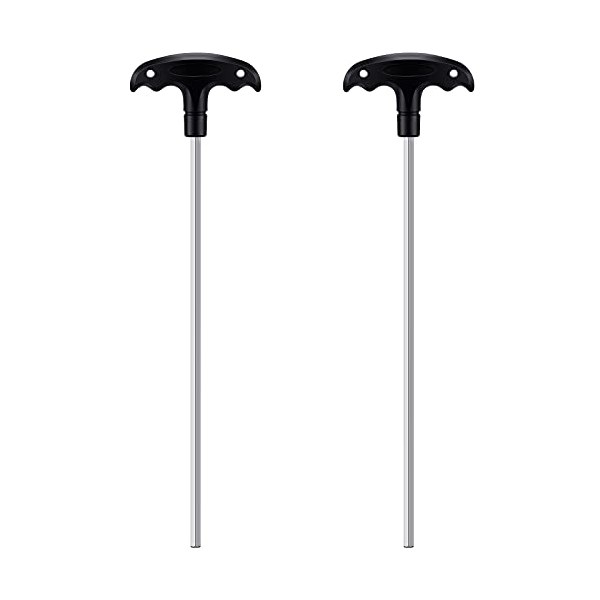 Pool Safety Cover Hex Key Tool (2-Pack)
Hex keys to install or remove a pool safety cover. View on Amazon →
Pool Safety Cover Hex Key Tool (2-Pack)
Hex keys to install or remove a pool safety cover. View on Amazon →
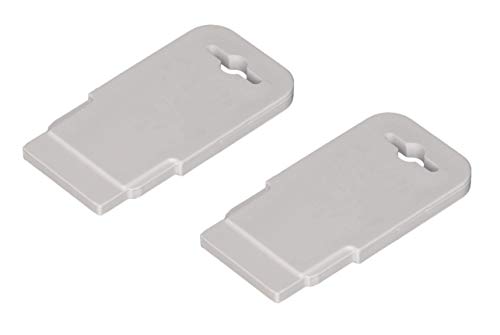 Pool Eyeball / Return Jet Fitting Removal Tool (ATIE)
Pops out & reseats Hayward SP1419 return-jet eyeballs — handy for closing. View on Amazon →
Pool Eyeball / Return Jet Fitting Removal Tool (ATIE)
Pops out & reseats Hayward SP1419 return-jet eyeballs — handy for closing. View on Amazon →
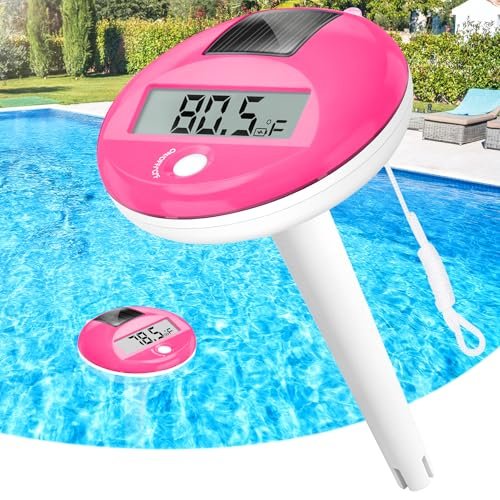 LuxBlue Floating Pool Thermometer, Solar, Large LCD
Easy-read floating thermometer for pool water temperature. View on Amazon →
LuxBlue Floating Pool Thermometer, Solar, Large LCD
Easy-read floating thermometer for pool water temperature. View on Amazon →
 Taylor K-2006C Complete FAS-DPD Pool & Spa Test Kit
The FAS-DPD kit pool pros trust — reads chlorine accurately even at shock/SLAM levels, plus pH, alkalinity, calcium hardness and CYA. View on Amazon →
Taylor K-2006C Complete FAS-DPD Pool & Spa Test Kit
The FAS-DPD kit pool pros trust — reads chlorine accurately even at shock/SLAM levels, plus pH, alkalinity, calcium hardness and CYA. View on Amazon →
Still need help? Ask a Pool & Spa Expert AD
Get a personalized answer from PoolGuy810 — 30 years owning a pool and spa repair company. Describe your issue and get step-by-step help.
Related Pool Guides
Need More Help?
Try our free pool calculators and tools to help diagnose and fix your pool problems.
Browse Pool ToolsSLAM calculator, pH calculator, salt dosing & more