
Do I Need to Dissolve Pool Shock? Complete Dissolution Guide

Should I dissolve granular shock or just dump it in?
Read full question
Looked everywhere online ever since I switched to granular pool shock, but still can't figure out if I need to dissolve it first or just dump it straight in. Package doesn't clearly say if I need to dissolve it first or can just toss it straight into the pool.
What's the right way? Don't want to mess up my pool liner or waste the chemicals.
Quick Answer
Yes, granular pool shock should be dissolved in water before adding to prevent bleaching and ensure even distribution. Liquid shock can be added directly to the pool while walking around the perimeter. Pre-dissolving granular shock prevents liner damage, surface bleaching, and ensures even chemical distribution throughout your pool water.
Why Dissolving Granular Shock Matters
Granular shock products like calcium hypochlorite contain concentrated chlorine that creates localized "hot spots" when added directly to pool water. These concentrated areas can:
- Bleach vinyl liners permanently
- Damage pool surfaces and equipment
- Create uneven chlorine distribution
- Cause skin and eye irritation for swimmers
- Waste chemical effectiveness through poor mixing
The dissolution process ensures your shock treatment works effectively while protecting your pool investment.
Different Types of Pool Shock and How to Apply Them
Granular Calcium Hypochlorite (Cal-Hypo)
This is the most common granular shock, typically 65-73% available chlorine (common grades are 68% and 73%). Always dissolve cal-hypo shock completely before adding. Use a 5-gallon bucket filled with pool water, add shock slowly while stirring, then pour the dissolved solution around the pool perimeter with the pump running.
Granular Sodium Dichlor
Dichlor shock dissolves more easily than cal-hypo but should still be pre-dissolved for best results. This stabilized shock adds cyanuric acid (CYACyanuric Acid (stabilizer) — Sunscreen for your chlorine — it keeps sunlight from burning it off. The catch: the more you have, the more chlorine you need to keep. learn more →) to your pool, so monitor CYA levels carefully. Target CYA levels are 30-50 ppm for regular chlorine pools and 70-80 ppm for salt water generators.
Liquid Sodium Hypochlorite
Liquid chlorine (typically 10-12.5% sodium hypochlorite) can be added directly to your pool. Walk around the deep end perimeter while pouring to ensure even distribution. This is actually the preferred shock method for SLAMShock Level And Maintain — raise free chlorine to a target based on your CYA and hold it there until the algae is gone. It's a process, not a one-time dose. the SLAM walkthrough → (Shock Level And Maintain) treatments when dealing with algae problems.
Potassium Monopersulfate (Non-Chlorine Shock)
This oxygen-based shock should be dissolved before adding, though it's less likely to cause surface damage than chlorine-based shocks. Use it when you need to oxidize contaminants without raising chlorine levels.
Step-by-Step Shock Dissolution Process
- Test your water chemistry first - Use a reliable test kit like Taylor K-2006 to check pH, total alkalinity, and current chlorine levels
- Adjust pH to 7.2-7.4 - Lower pH improves shock effectiveness
- Calculate proper dosage - For algae treatment, maintain shock level based on your CYA level using the all-in-one pool calculator (Free Chlorine to Cyanuric Acid ratio)
- Fill a clean 5-gallon bucket with pool water - Use cool or room-temperature water, not hot
- Add shock gradually while stirring - Pour shock into water, never water into shock, stirring constantly with a plastic spoon
- Wait for complete dissolution - Ensure no granules remain visible before proceeding
- Pour dissolved solution around pool perimeter - Keep pump running for at least 8 hours for proper circulation
- Retest after 4-6 hours - Check if additional shock is needed to maintain target levels
Safety Considerations
Never mix different types of pool chemicals. Clean your dissolution bucket thoroughly between uses. Wear safety goggles and gloves when handling granular shock. Store chemicals in a cool, dry place away from other pool chemicals. Cal-hypo especially must be kept away from acids and any fuels or organics — contact can release toxic gas or even ignite.
When dissolving cal-hypo shock, the solution may become warm - this is normal. However, if it becomes hot or starts smoking, you've added too much too quickly. Dilute immediately with more pool water.
Dosing Guidelines
For routine weekly shocking, follow manufacturer dosing instructions as requirements vary by product and available chlorine percentage. For green pool treatment using the SLAM method, maintain free chlorine at shock level (determined by your CYA level) until combined chlorine (CCCombined Chlorine — "Used-up" chlorine left over from doing its job. Above about 0.5 ppm is the classic sign water needs a shock. learn more →) is 0.5 ppm or less, you pass the overnight chlorine loss test, and achieve clear water.
When using liquid chlorine for SLAM treatments, you'll typically need 1-3 gallons per day depending on your pool size and algae severity. Test chlorine levels every few hours initially, then twice daily as levels stabilize.
When to Skip Dissolution
The only time you don't need to dissolve shock is when using liquid sodium hypochlorite. Quality liquid chlorine from pool stores or even unscented household bleach (typically 5.25-6% sodium hypochlorite) can be added directly to the pool.
Some pool owners prefer liquid chlorine specifically because it eliminates the dissolution step while providing more consistent results than granular products.
Testing After Shocking
Wait at least 30 minutes (longer for larger pools) after adding dissolved shock before testing chlorine levels. For accurate readings, test when the pump has been running to ensure proper mixing. Your target free chlorine level depends on your stabilizer (CYA) level - higher CYA requires higher chlorine levels for effective sanitization.
Retest chlorine levels the following morning. If you lose more than 1 ppm overnight, continue the SLAM process until you achieve stable chlorine levels with clear, algae-free water.
For the full breakdown of safe chlorine levels by CYA level, see our pool water chemistry guide.
 Taylor K-2006C Complete FAS-DPD Pool & Spa Test Kit
The FAS-DPD kit pool pros trust — reads chlorine accurately even at shock/SLAM levels, plus pH, alkalinity, calcium hardness and CYA. View on Amazon →
Taylor K-2006C Complete FAS-DPD Pool & Spa Test Kit
The FAS-DPD kit pool pros trust — reads chlorine accurately even at shock/SLAM levels, plus pH, alkalinity, calcium hardness and CYA. View on Amazon →
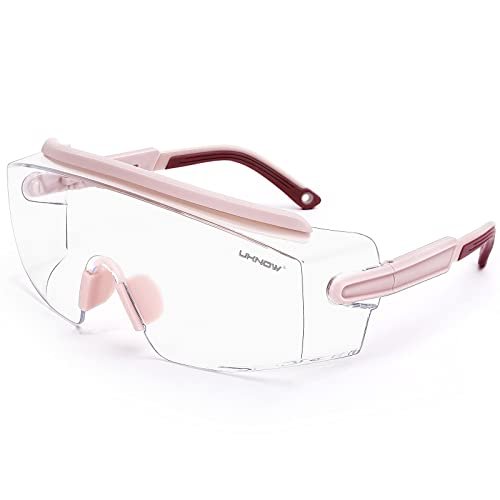 UKNOW Anti-Fog Chemical Splash Safety Goggles
Sealed splash goggles for handling muriatic acid and chlorine. View on Amazon →
UKNOW Anti-Fog Chemical Splash Safety Goggles
Sealed splash goggles for handling muriatic acid and chlorine. View on Amazon →
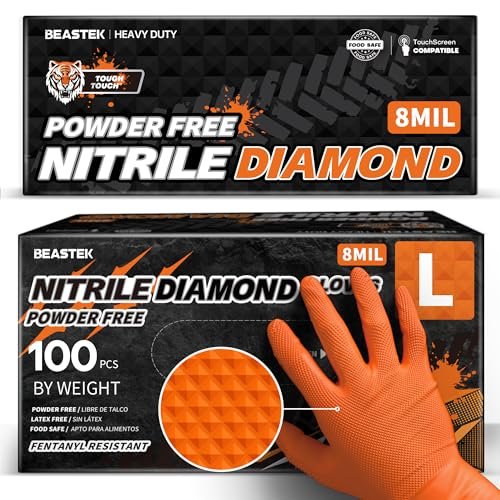 Beastek 8-mil Chemical-Resistant Nitrile Gloves
Disposable nitrile gloves for safe handling of pool chemicals. View on Amazon →
Beastek 8-mil Chemical-Resistant Nitrile Gloves
Disposable nitrile gloves for safe handling of pool chemicals. View on Amazon →
Still need help? Ask a Pool & Spa Expert AD
Get a personalized answer from PoolGuy810 — 30 years owning a pool and spa repair company. Describe your issue and get step-by-step help.
Need More Help?
Try our free pool calculators and tools to help diagnose and fix your pool problems.
Browse Pool ToolsSLAM calculator, pH calculator, salt dosing & more