
How to Increase Pool Alkalinity Fast - Complete Guide 2024
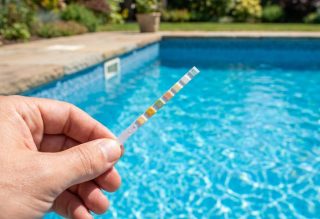
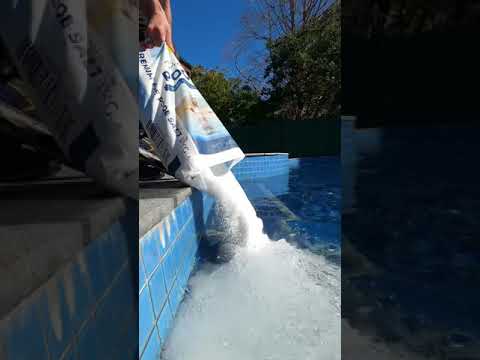
Add sodium bicarbonate (baking soda) to increase pool alkalinity - use 1.5 lbs per 10,000 gallons to raise alkalinity by 10 ppm. Test first, add slowly, and retest after 6 hours.
You can vacuum your pool after adding most chemicals, but timing matters. Wait 15-30 minutes for liquid chemicals to circulate, and 2-4 hours for granular chemicals to fully dissolve before vacuuming.
Yes, you can shock your pool after adding calcium hardness increaser. Wait 2-4 hours for the calcium to fully circulate and dissolve before adding shock to prevent chemical interactions and ensure even distribution.
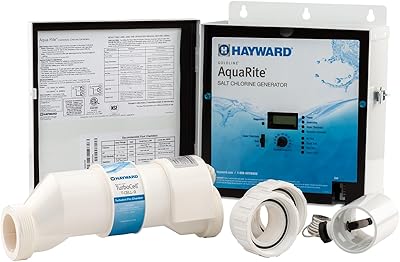
Yes, salt pools absolutely need stabilizer (cyanuric acid) to protect the chlorine generated by your salt water generator from UV degradation. Target 70-80ppm for optimal protection and chlorine efficiency.
Yes, saltwater pools absolutely need cyanuric acid (stabilizer) to protect the chlorine generated by your salt cell from being destroyed by UV rays. Target levels should be 70-80ppm for optimal protection.
To raise CYA in your pool, add cyanuric acid (stabilizer) at a rate of 1 pound per 3,000 gallons to increase levels by approximately 30ppm. Add through skimmer or dissolve in bucket first.
No, you should not use pool chlorine tablets in your toilet. Pool tablets contain trichlor which is too concentrated for toilets and can damage plumbing, create toxic gases, and pose serious health risks.
Most pool chemicals take 2-8 hours to fully circulate and settle, depending on the type of chemical and your pump runtime. Always wait before retesting water levels.
To raise pool stabilizer levels, add cyanuric acid at 1.3 pounds per 10,000 gallons to increase CYA by 10 ppm. Use granular stabilizer in a sock method or liquid stabilizer for faster results.
You can swim after shocking once free chlorine drops to 4 ppm or below, typically 8-24 hours depending on shock type and dosage. Test water before entering and ensure pH is balanced.
Yes, pools need CYA (cyanuric acid) to protect chlorine from UV degradation. Target 30-50ppm for regular pools and 70-80ppm for salt water generators.
Pool stabilizer (cyanuric acid) dissolves slowly and requires warm water, agitation, and patience. The most effective methods are pre-dissolving in a bucket with hot water or using the sock method directly in your pool.
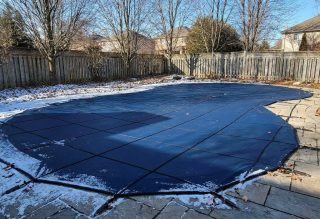
Never shock your pool with the solar cover on. Always remove the solar cover before adding any chemicals, allow proper circulation for 1-2 hours, then replace the cover once chemicals are distributed.
Yes, granular pool shock should be dissolved in water before adding to prevent bleaching and ensure even distribution. Liquid shock can be added directly to the pool while walking around the perimeter.
Yes, you can shock your pool after adding baking soda, but wait 4-6 hours for proper circulation and pH stabilization. Test your water chemistry first to ensure optimal chlorine effectiveness.