
How to Increase Pool Alkalinity Fast - Complete Guide 2026

My pool alkalinity is way too low - how do I fix this mess?
Read full question
So there's this pool guy telling me to drain and refill my entire pool just because my alkalinity hit zero, but that sounds like expensive overkill for some cloudy water. Every time I try to balance the pH, it just crashes back down within a day or two.
I've got a 20,000 gallon pool and honestly I'm tired of throwing random chemicals at this problem. What's the RIGHT way to get my alkalinity back up to where it should be? I need specific amounts and steps because clearly what I've been doing isn't working.
Quick Answer
Add sodium bicarbonate (baking soda) to increase pool alkalinity - use 1.5 lbs per 10,000 gallons to raise alkalinity by 10 ppm. Test first, add slowly, and retest after 6 hours.
Quick Solution
The fastest and most effective way to increase pool alkalinity is by adding sodium bicarbonate (baking soda). Use approximately 1.5 pounds of sodium bicarbonate per 10,000 gallons of pool water to raise total alkalinity by 10 ppm. Always test your current alkalinity level first, add the chemical slowly with circulation running, and retest after 6 hours before making additional adjustments. You almost certainly don't need to drain and refill — low alkalinity is fixed by adding baking soda, not by replacing the water, so draining is overkill for this problem.
Why Alkalinity Matters
Total alkalinity acts as a pH buffer in your pool water, preventing rapid pH swings that can cause equipment corrosion, scaling, and swimmer discomfort. The ideal range is 80-120 ppm for traditional chlorine pools and 60-80 ppm for salt water generator pools. Low alkalinity creates pH instability, making it nearly impossible to maintain proper water balance regardless of other chemical adjustments.
Testing Your Current Alkalinity
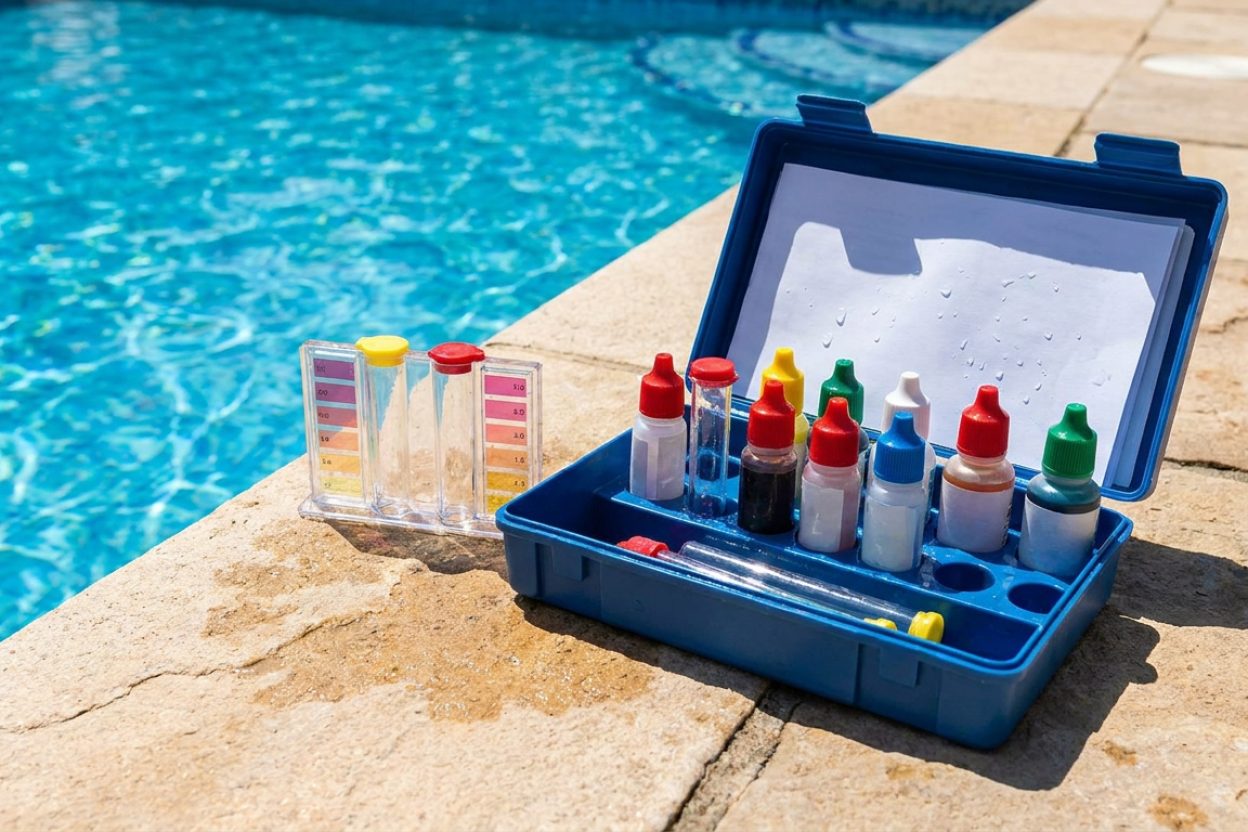
Before adding any chemicals, accurately test your pool's total alkalinity using a reliable test kit. The Taylor K-2006 FAS-DPDFAS-DPD test — A drop-based test that reads chlorine accurately even at high "shock" levels, where test strips give up. see test kits → test kit provides the most accurate readings for home pool owners. Digital test strips can work but are less precise for critical adjustments. Test at elbow depth away from return jets and skimmers for representative water samples.
Free Alkalinity Calculator
Estimate how much baking soda you need:
Calculating Chemical Dosage
Determine how much you need to raise alkalinity by subtracting your current reading from your target level. For example, if your alkalinity tests at 50 ppm and you want 100 ppm, you need to increase by 50 ppm.
a handy way to get a good estimate of the amount for your pool: our all-in-one pool calculator estimates the amount, based on your pool size and current vs. target levels.
For the amount that fits your pool, try our easy-to-use pool calculator or browse our pool guides rather than scaling it by hand — then add gradually and retest.
Step-by-Step Application Process
- Run your circulation system - Turn on the pool pump and ensure proper water circulation before adding chemicals
- Pre-dissolve the chemical - Mix sodium bicarbonate in a large bucket with pool water to create a slurry, which distributes more evenly
- Add in sections - Pour the dissolved mixture slowly around the pool perimeter, focusing on areas with good circulation
- Brush pool surfaces - Use a pool brush to help distribute the chemical and prevent settling on the bottom
- Continue circulation - Run the pump for at least 6-8 hours to ensure complete mixing and dissolution
- Retest water - Wait 6-8 hours before retesting alkalinity levels to allow full chemical integration
Product Options and Where to Buy
You have several purchasing options for sodium bicarbonate. Pool supply stores sell "Alkalinity Increaser" which is pure sodium bicarbonate, typically costing $8-15 for a 5-pound container. Alternatively, you can buy pure baking soda from warehouse stores like Costco or Sam's Club at significant savings - often $6-8 for 12-13 pound bags.
Popular pool brands include HTH Alkalinity Up, Leslie's Alkalinity Up, and In The Swim Alkalinity Increaser. All contain the same active ingredient, so choose based on price and convenience.
Important Safety Considerations
Never add more than 2 pounds per 10,000 gallons at one time. Large doses can cause temporary cloudiness and may push pH levels too high. If you need significant alkalinity increases, split the dosage over 2-3 days, testing between applications.
Wear safety glasses and avoid breathing dust when handling sodium bicarbonate. While relatively safe, the powder can irritate eyes and respiratory systems. Store in a cool, dry location away from other pool chemicals.
pH Considerations
Adding sodium bicarbonate will also raise pH levels, typically by 0.1-0.2 units for every 10 ppm alkalinity increase. Monitor pH closely and be prepared to lower it using muriatic acid if it exceeds 7.8. Always adjust alkalinity first, then fine-tune pH levels - never attempt simultaneous adjustments.
Troubleshooting Common Issues
If alkalinity remains low despite additions, check for ongoing acid demand from sources like acidic sanitizers, heavy bather loads, or acid rain. Salt water generators steadily drive pH upward, so owners add acid to compensate — and those repeated acid additions are what lower total alkalinity over time, requiring regular monitoring and adjustment.
Cloudy water after adding sodium bicarbonate usually clears within 24 hours with proper circulation. If cloudiness persists, check calcium hardness levels and overall water balance.
Maintenance Schedule
Test alkalinity weekly during swimming season and monthly during winter months. Most pools require alkalinity adjustments every 2-4 weeks depending on bather load, weather conditions, and sanitizer type. Keep detailed records of test results and chemical additions to identify patterns and optimize your maintenance routine.
For the full breakdown of safe chlorine levels by CYACyanuric Acid (stabilizer) — Sunscreen for your chlorine — it keeps sunlight from burning it off. The catch: the more you have, the more chlorine you need to keep. learn more → level, see our pool water chemistry guide.
 Taylor K-2006C Complete FAS-DPD Pool & Spa Test Kit
The FAS-DPD kit pool pros trust — reads chlorine accurately even at shock/SLAM levels, plus pH, alkalinity, calcium hardness and CYA. View on Amazon →
Taylor K-2006C Complete FAS-DPD Pool & Spa Test Kit
The FAS-DPD kit pool pros trust — reads chlorine accurately even at shock/SLAM levels, plus pH, alkalinity, calcium hardness and CYA. View on Amazon →
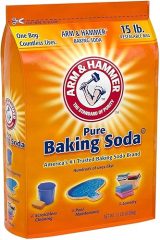 Arm & Hammer Pure Baking Soda (Alkalinity Up)
Raises Total Alkalinity cheaply View on Amazon →
Arm & Hammer Pure Baking Soda (Alkalinity Up)
Raises Total Alkalinity cheaply View on Amazon →
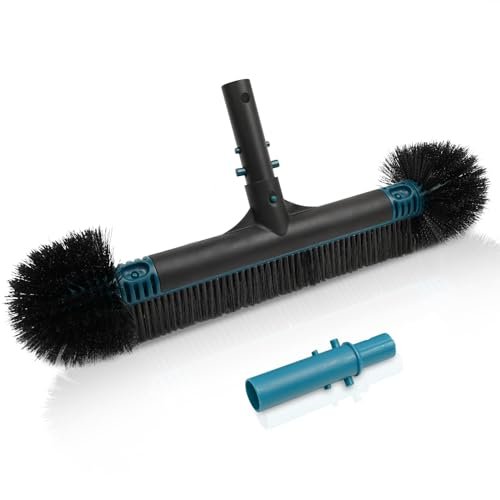 Poolvio 20" 2-in-1 Pool Brush Head (Walls & Floor)
Sturdy 20-inch brush head that clips onto any standard telescopic pole. View on Amazon →
Poolvio 20" 2-in-1 Pool Brush Head (Walls & Floor)
Sturdy 20-inch brush head that clips onto any standard telescopic pole. View on Amazon →
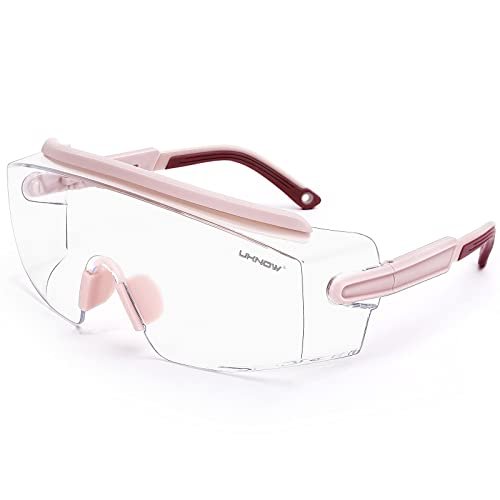 UKNOW Anti-Fog Chemical Splash Safety Goggles
Sealed splash goggles for handling muriatic acid and chlorine. View on Amazon →
UKNOW Anti-Fog Chemical Splash Safety Goggles
Sealed splash goggles for handling muriatic acid and chlorine. View on Amazon →
Still need help? Ask a Pool & Spa Expert AD
Get a personalized answer from PoolGuy810 — 30 years owning a pool and spa repair company. Describe your issue and get step-by-step help.
Related Pool Guides
Need More Help?
Try our free pool calculators and tools to help diagnose and fix your pool problems.
Browse Pool ToolsSLAM calculator, pH calculator, salt dosing & more