

Can Pool Chlorine Clean Concrete? Safe Methods & Alternatives

Will pool chlorine clean my stained concrete deck safely?
Read full question
Between the humidity and recent rain, my concrete pool deck started showing these nasty green algae stains last week and now I'm wondering if pool chlorine can clean them off. My concrete pool deck is absolutely filthy with algae stains and dirt buildup, and nothing seems to work. I've scrubbed until my arms hurt and tried different cleaners, but these green stains just won't budge.
I have tons of pool chlorine sitting around and I'm wondering if I can use that to blast these concrete stains away? I don't want to damage the surface or create some kind of chemical disaster, but I'm running out of options. If chlorine works, what's the right way to dilute it? And honestly, are there better alternatives that might actually get this mess clean without all the guesswork?
Quick Answer
For green algae stains like yours, diluted pool chlorine (about 1:10) is actually the right tool - chlorine targets organic stains. Muriatic acid won't remove algae; reserve it for mineral deposits and efflorescence. Oxygen bleach (e.g., OxiClean) is a gentler, more plant-safe alternative.
First, Let's Diagnose Your Concrete Cleaning Needs
Before using pool chlorine on concrete, identify what you're trying to clean. Different stains and contaminants require different approaches:
- Organic stains (algae, mildew, leaf stains): Pool chlorine works well
- Mineral deposits (calcium, efflorescence): Acid-based cleaners more effective
- Oil stains: Degreasing agents needed
- Rust stains: Oxalic acid-based cleaners preferred
- General dirt and grime: Pressure washing with detergent sufficient
When Pool Chlorine Works for Concrete
Liquid chlorine excels at cleaning organic matter from concrete surfaces. It's particularly effective for:
- Pool deck algae and mildew removal
- Sanitizing concrete surfaces around pools
- Removing leaf and plant stains
- Killing bacteria and organic growths in concrete pores
Proper Dilution and Application Method
If you decide to use pool chlorine, follow these steps carefully:
- Safety first: Wear protective eyewear, gloves, and old clothing. Work in well-ventilated areas only
- Test small area: Apply diluted solution to inconspicuous spot first
- Prepare solution: Mix 1 part liquid chlorine with 10 parts water (never add water to chlorine - always add chlorine to water)
- Pre-wet concrete: Spray area with clean water to prevent rapid absorption
- Apply solution: Use plastic sprayer or mop to apply evenly
- Dwell time: Allow 10-15 minutes for organic stain breakdown
- Scrub if needed: Use stiff brush for stubborn areas
- Rinse thoroughly: Flood area with clean water to remove all residue
Why Pool Chlorine Isn't Always the Best Choice
While pool chlorine can clean concrete, several factors make it less than ideal:
Limited Effectiveness
Chlorine primarily attacks organic compounds. For mineral stains, calcium deposits, or efflorescence common on concrete, you'll need acidic cleaners. Pool-grade muriatic acid (standard strength is 31.45% hydrochloric acid, with weaker 14.5-15.7% versions also sold) proves far more effective for these mineral issues.
Potential Damage Risks
Concentrated chlorine solutions can:
- Bleach colored concrete or sealers
- Weaken concrete surface over time with repeated use
- Damage nearby plants and landscaping
- Leave white residue if not thoroughly rinsed
Safety Concerns
Pool chlorine creates hazardous fumes, especially when mixed with other cleaners. Never combine chlorine with acids (including muriatic acid) — that produces toxic chlorine gas — or with ammonia-based products, which produces irritating chloramine fumes. Keep these chemicals separate and never mix them.
Better Alternatives for Concrete Cleaning
Muriatic Acid for Mineral Deposits
For calcium scale, efflorescence, or general concrete etching:
- Dilute 1 part muriatic acid with 10 parts water
- Apply to damp concrete surface
- Allow 5-10 minutes contact time
- Scrub with stiff brush
- Neutralize with baking soda solution (1 cup baking soda per gallon of water) until fizzing stops
- Rinse thoroughly
Specialized Concrete Cleaners
Commercial concrete cleaners offer targeted solutions:
- Bio-based cleaners: Environmentally friendly, effective on organic stains
- Acidic cleaners: Remove mineral deposits and etch stains
- Enzyme cleaners: Break down oil and protein-based stains
- Pressure washing chemicals: Designed for high-pressure application
Safety Precautions When Using Pool Chemicals
Critical safety reminders:
- Never mix different chemicals together
- Always add chemical to water, not water to chemical
- Work with wind at your back to avoid inhaling fumes
- Keep children and pets away during application
- Store chemicals in original containers only
- Have water source ready for emergency rinsing
Environmental Considerations
Chlorine runoff can damage plants, contaminate soil, and harm aquatic life. Always:
- Cover or wet down plants before cleaning
- Collect and neutralize runoff where possible
- Avoid cleaning before rain events
- Choose biodegradable alternatives when available
While pool chlorine can clean concrete in specific situations, it's rarely the optimal choice. For routine concrete maintenance around your pool area, invest in appropriate concrete cleaners designed for your specific cleaning challenges. This approach delivers better results while minimizing safety risks and environmental impact.
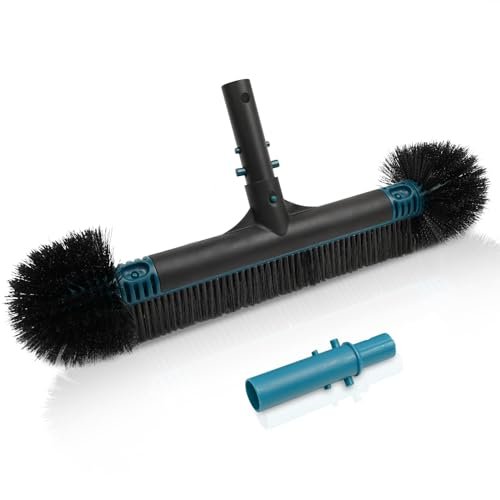 Poolvio 20" 2-in-1 Pool Brush Head (Walls & Floor)
Sturdy 20-inch brush head that clips onto any standard telescopic pole. View on Amazon →
Poolvio 20" 2-in-1 Pool Brush Head (Walls & Floor)
Sturdy 20-inch brush head that clips onto any standard telescopic pole. View on Amazon →
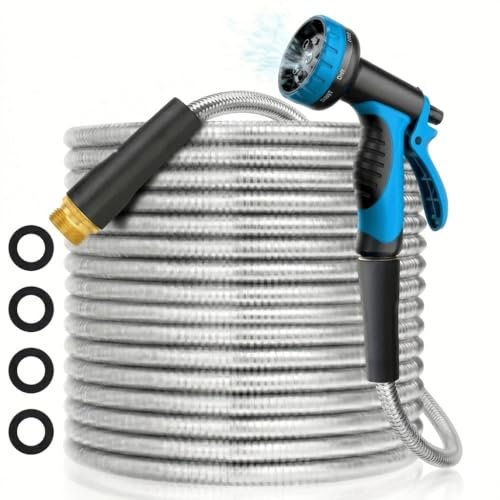 50 ft Flexible Metal Garden Hose (Kink-Free)
Durable hose for filling, priming, and rinsing equipment. View on Amazon →
50 ft Flexible Metal Garden Hose (Kink-Free)
Durable hose for filling, priming, and rinsing equipment. View on Amazon →
Still need help? Ask a Pool & Spa Expert AD
Get a personalized answer from PoolGuy810 — 30 years owning a pool and spa repair company. Describe your issue and get step-by-step help.
Related Pool Guides
Need More Help?
Try our free pool calculators and tools to help diagnose and fix your pool problems.
Browse Pool ToolsSLAM calculator, pH calculator, salt dosing & more