
Can I Use Pool pH Increaser in My Spa? Safe Chemical Guide

Can I use my pool's pH increaser in my hot tub safely?
Read full question
Noticed I'm always running low on spa pH increaser and wondering if this is a dumb question, but can I just use my pool's pH increaser instead? I have both a pool and a hot tub, and I noticed my spa's pH is running low. I have some pH increaser that I bought for my pool - can I use the same product in my hot tub, or do I need to buy separate chemicals?
The pool store didn't really explain if there's a difference between pool and spa chemicals, and I don't want to mess anything up. If I can use the same pH increaser, do I need to adjust how much I add since the hot tub is obviously much smaller than my pool?
Quick Answer
Yes, you can use pool pH increaser in your spa since both use sodium carbonate (soda ash) as the active ingredient. However, you'll need to adjust dosing for your spa's smaller volume and retest after 30 minutes.
Diagnosing Your Spa's pH Issue
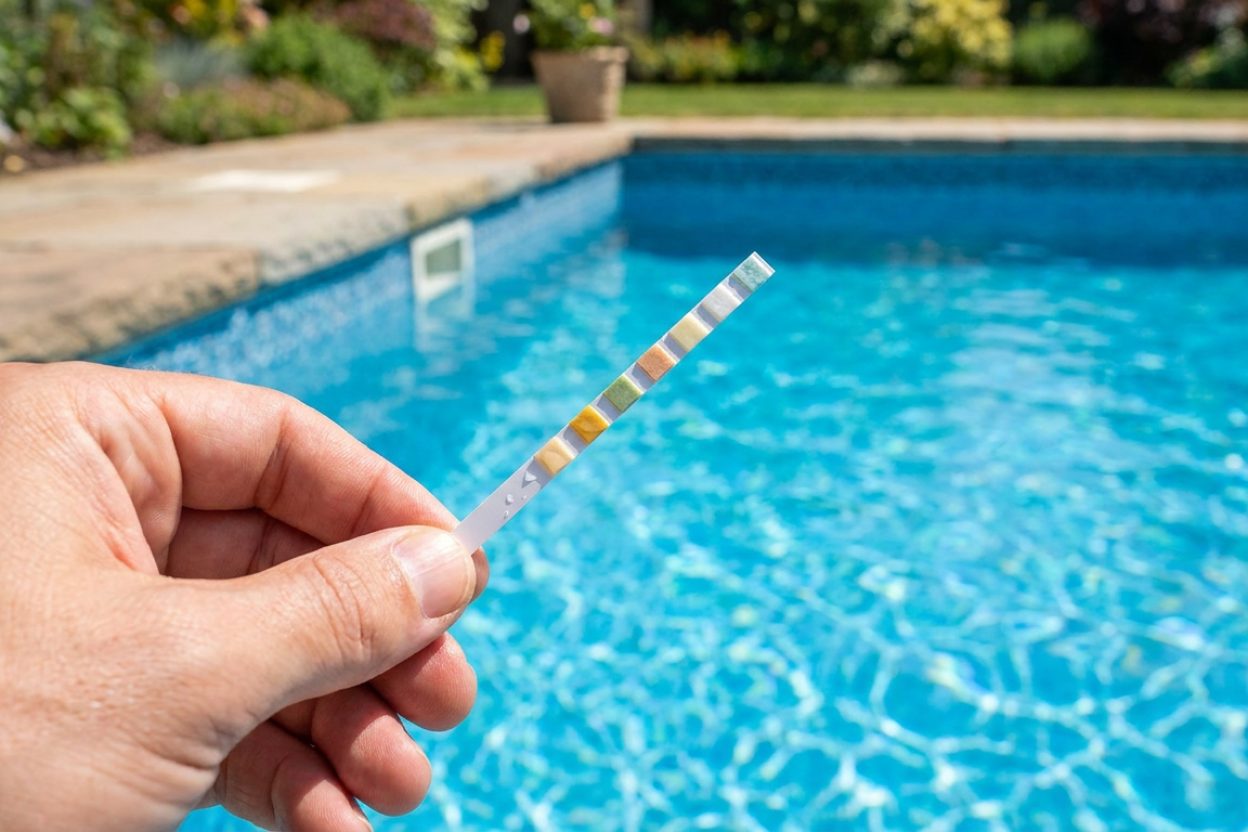
First, let's diagnose what's happening with your spa's pH levels. Test your current pH using a reliable test kit like the Taylor K-2006C or test strips specifically designed for spas. Your spa's ideal pH range is 7.2-7.8, with 7.4-7.6 being optimal for bather comfort and equipment protection.
Low pH (below 7.2) can cause:
- Eye and skin irritation for bathers
- Corrosion of metal components like heaters and pumps
- Etching of spa surfaces
Using Pool pH Increaser in Your Spa
Understanding the Chemistry
Both pool and spa pH increasers typically contain sodium carbonate (Na₂CO₃), which raises both pH and total alkalinity. Some products may contain sodium bicarbonate (baking soda) as well, but sodium carbonate is the primary pH-raising chemical. This means the pool version will work identically in your spa.
Calculating the Correct Dosage
Here's where you need to be careful. Pool pH increaser dosing instructions are designed for pools containing 10,000-30,000+ gallons, while most residential spas hold 300-500 gallons. Never use the pool dosage recommendations directly.
For a quick estimate, our all-in-one pool calculator works out how much to add based on your spa's volume and your current vs. target pH levels, making it a handy reference to dial in the right dose.
For spa dosing with sodium carbonate (to do it by hand — note that actual amounts vary with product concentration, so the calculator is more reliable):
- Add 1/2 teaspoon per 100 gallons as a starting point (actual pH change will vary based on total alkalinity and current water chemistry)
- For a 400-gallon spa with pH of 6.8, add 2 teaspoons to target pH 7.4
- Always start with less - you can add more, but you can't remove excess chemical
Step-by-Step Application Process
- Test current water chemistry: Measure pH, total alkalinity, and sanitizer levels before adding any chemicals
- Calculate needed dosage: Determine your spa's exact volume and calculate the appropriate amount of pH increaser
- Add the chemical: Measure the appropriate amount of pH increaser
- Add with circulation running: Pour the dissolved solution slowly around the spa perimeter with jets operating
- Allow circulation time: Run pumps for at least 30 minutes to ensure complete mixing
- Retest and adjust: Test pH again after 30 minutes and add more if needed
- Check total alkalinity: Sodium carbonate will also raise TATotal Alkalinity — The buffer that keeps your pH from bouncing around. Get this in range and pH gets a lot easier to manage. learn more →, so monitor this parameter
Safety Considerations
Important safety reminders when using pool chemicals in your spa:
- Always read the product label completely, even though you're adjusting the dosage
- Wear safety glasses and gloves when handling dry chemicals
- Never mix different chemicals together
- Store chemicals in original containers away from heat and moisture
- Keep spa area well-ventilated during chemical addition
- Wait at least 30 minutes before entering the spa after chemical addition
Troubleshooting Common Issues
pH Won't Stay Raised
If your pH keeps dropping after treatment, check your total alkalinity. Low TA (below 80 ppm) provides insufficient pH buffering. You may need to raise alkalinity first using sodium bicarbonate (baking soda) at about 1/2 tablespoon per 100 gallons to raise TA by 10 ppm.
pH Keeps Rising (Aeration Effect)
Spa jets and aeration naturally raise pH over time. When water is agitated by jets, bubbles, and waterfalls, carbon dioxide (CO₂) is released from the water into the air. This process, called off-gassing, causes pH to rise. This is why many spa owners find they need pH decreaser more often than pH increaser.
If your pH consistently rises:
- This is normal spa behavior - jets cause CO₂ off-gassing which raises pH
- You may need pH decreaser rather than pH increaser
- Consider using less aggressive jet settings if pH rises too quickly
- Some spa owners rarely need pH increaser due to constant aeration
Cloudy Water After Treatment
Adding too much pH increaser too quickly can cause temporary cloudiness. Ensure your sanitizer levels are adequate (3-5 ppm free chlorine or 4-6 ppm bromine) and run circulation continuously until water clears.
pH Overshooting Target
If pH rises above 7.8, you'll need to lower it using spa pH decreaser (sodium bisulfate) or muriatic acid. For spas, use 1/4 teaspoon sodium bisulfate per 100 gallons to lower pH by 0.2 units.
Alternative Options
While pool pH increaser works perfectly, you might also consider:
- Spa-specific pH increaser: Same ingredients but with spa-appropriate dosing instructions
- Pure sodium carbonate: Available at hardware stores as washing soda (ensure it's pure sodium carbonate)
- Liquid pH increasers: Easier to dose accurately for small spa volumes
The bottom line: pool pH increaser is chemically identical to spa pH increaser, making it perfectly safe and effective for your spa when dosed correctly for the smaller water volume.
For the full breakdown of safe chlorine levels by CYACyanuric Acid (stabilizer) — Sunscreen for your chlorine — it keeps sunlight from burning it off. The catch: the more you have, the more chlorine you need to keep. learn more → level, see our pool water chemistry guide.
 Taylor K-2006C Complete FAS-DPD Pool & Spa Test Kit
The FAS-DPD kit pool pros trust — reads chlorine accurately even at shock/SLAM levels, plus pH, alkalinity, calcium hardness and CYA. View on Amazon →
Taylor K-2006C Complete FAS-DPD Pool & Spa Test Kit
The FAS-DPD kit pool pros trust — reads chlorine accurately even at shock/SLAM levels, plus pH, alkalinity, calcium hardness and CYA. View on Amazon →
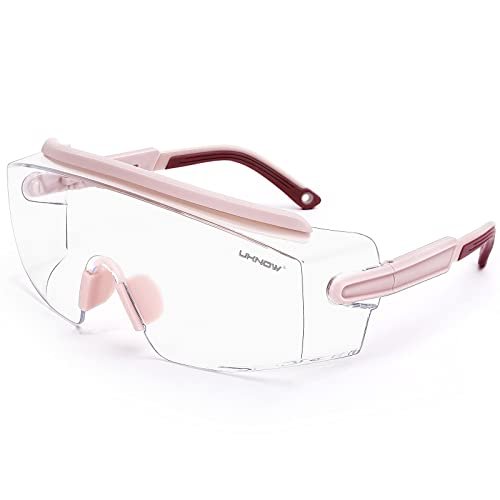 UKNOW Anti-Fog Chemical Splash Safety Goggles
Sealed splash goggles for handling muriatic acid and chlorine. View on Amazon →
UKNOW Anti-Fog Chemical Splash Safety Goggles
Sealed splash goggles for handling muriatic acid and chlorine. View on Amazon →
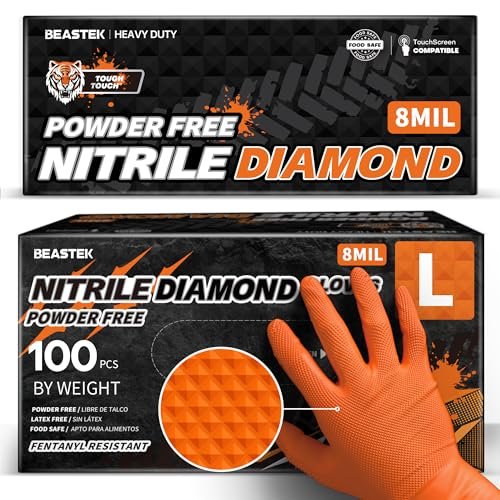 Beastek 8-mil Chemical-Resistant Nitrile Gloves
Disposable nitrile gloves for safe handling of pool chemicals. View on Amazon →
Beastek 8-mil Chemical-Resistant Nitrile Gloves
Disposable nitrile gloves for safe handling of pool chemicals. View on Amazon →
Still need help? Ask a Pool & Spa Expert AD
Get a personalized answer from PoolGuy810 — 30 years owning a pool and spa repair company. Describe your issue and get step-by-step help.
Related Pool Guides
Need More Help?
Try our free pool calculators and tools to help diagnose and fix your pool problems.
Browse Pool ToolsSLAM calculator, pH calculator, salt dosing & more