Can Pool Heater and Pump Share Same Circuit? Safety Guide
Pool heaters and pumps should never be on the same circuit due to high amperage requirements that would overload the circuit and create safety hazards.
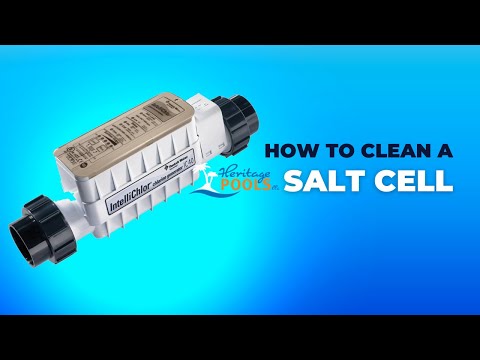
Pool salt cells use electrolysis to convert dissolved salt (sodium chloride) into chlorine gas and sodium hydroxide. The chlorine sanitizes your pool while the sodium hydroxide raises pH, creating a continuous chlorination cycle.
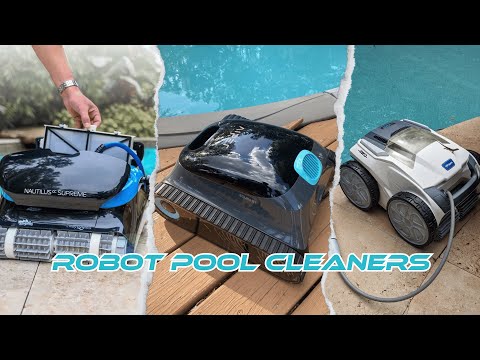
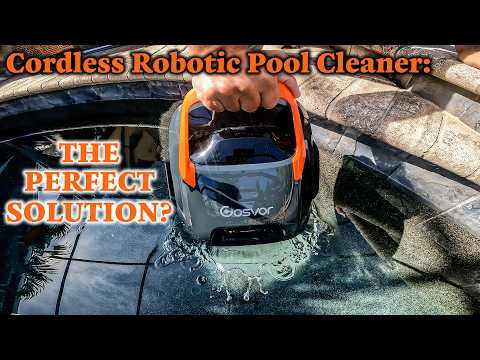
You can vacuum your pool after adding most chemicals, but timing matters. Wait 15-30 minutes for liquid chemicals to circulate, and 2-4 hours for granular chemicals to fully dissolve before vacuuming.
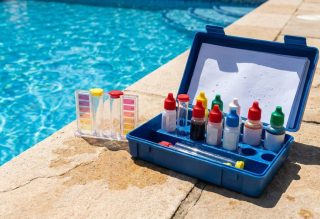
Yes, you can shock your pool after adding alkalinity, but wait 4-6 hours first and test your water to ensure pH is below 7.6 for maximum chlorine effectiveness.
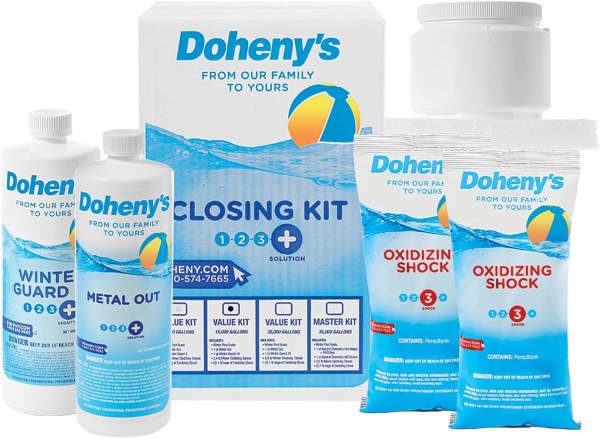
Yes, you should shock your pool before closing it for winter, but timing is crucial. Shock 24-48 hours before adding winterizing chemicals to ensure proper sanitization without chemical conflicts.
Pool algae forms when microscopic spores enter your water and find ideal conditions: sunlight, nutrients (like phosphates), warm temperatures, and unbalanced water chemistry with insufficient chlorine levels.
Wait 8-24 hours after shocking before vacuuming your pool, depending on chlorine levels and shock type. Test free chlorine first - it should drop below 5ppm for safe vacuuming.
To determine if you have a pool leak, perform the bucket test by placing a bucket of water on your pool step and marking water levels in both. After 24 hours, if the pool water dropped more than the bucket water, you likely have a leak.
To find a pool leak, first use the bucket test to confirm water loss, then use food coloring dye tests around suspected areas like skimmers and returns. For plumbing leaks, perform pressure tests on individual lines.
Pool stabilizer (cyanuric acid) dissolves slowly and requires warm water, agitation, and patience. The most effective methods are pre-dissolving in a bucket with hot water or using the sock method directly in your pool.
Never shock your pool with the solar cover on. Always remove the solar cover before adding any chemicals, allow proper circulation for 1-2 hours, then replace the cover once chemicals are distributed.
Yes, granular pool shock should be dissolved in water before adding to prevent bleaching and ensure even distribution. Liquid shock can be added directly to the pool while walking around the perimeter.
Yes, saltwater pools absolutely need calcium hardness maintained between 200-400 ppm depending on surface type. Low calcium can damage equipment and surfaces, while high levels cause scaling on the salt cell.
Yes, most Walmart stores carry pool vacuums in-store during pool season (April-September), including manual, automatic, and robotic models. Availability varies by location and season.
Salt water pools do not raise blood pressure through skin absorption, as pool salt levels are much lower than ocean water. However, improper chemical balance can cause skin irritation that may indirectly affect stress levels.