

How Long After Adding Alkalinity Can You Swim? Safe Wait Times

Safe to let kids swim after adding alkalinity increaser?
Read full question
Three hours after dumping alkalinity increaser into our pool, my kids are still pestering me about when they can finally jump back in. I want to make sure it's completely safe before I give them the okay.
How long should I really wait after adding the alkalinity increaser? I know it needs time to circulate and dissolve properly, but I'm not sure if 20-30 minutes is enough or if I should wait longer. Our pump runs pretty well, but I'd rather be overly cautious when it comes to the kids' safety.
Quick Answer
You can typically swim 20-30 minutes after adding alkalinity increaser, once it's fully circulated and dissolved. The exact wait time depends on your circulation system and the amount added.
Understanding Alkalinity and Swimming Safety
Total alkalinity (TATotal Alkalinity — The buffer that keeps your pH from bouncing around. Get this in range and pH gets a lot easier to manage. learn more →) is your pool water's ability to resist pH changes, acting as a buffer. Unlike chlorine or muriatic acid, alkalinity increaser (sodium bicarbonate) is relatively mild and safe for swimmers once properly mixed. However, undissolved granules can cause skin irritation and uneven water chemistry.
The ideal total alkalinity range is 80-120 ppm for traditional chlorine pools and 60-80 ppm for salt water generator systems. When your alkalinity drops below these ranges, adding alkalinity increaser becomes necessary to prevent pH bounce and maintain stable water chemistry.
Factors Affecting Wait Time
Circulation System Efficiency
Your pool's turnover rate directly impacts how quickly alkalinity increaser distributes. Most residential pools complete one full turnover in 6-8 hours, but you don't need complete turnover for safe swimming. With proper circulation running, 20-30 minutes allows sufficient mixing for the immediate swimming area.
Amount of Chemical Added
Smaller adjustments (under 1 pound) typically require only 20 minutes of circulation, while larger adjustments may need 45-60 minutes for complete dissolution.
Pool Size and Shape
Larger pools and those with irregular shapes, dead spots, or poor circulation may require longer wait times. Kidney-shaped pools or those with spa attachments often need additional time for chemicals to reach all areas effectively.
Step-by-Step Safe Swimming Protocol
- Test current alkalinity levels using a reliable test kit like the Taylor K-2006 to estimate how much alkalinity increaser you need
- Calculate the required amount — use it for a quick estimate: our all-in-one pool calculator gives you an estimate of the amount based on your pool size and current vs. target alkalinity levels.
- Ensure circulation system is running at full speed before adding any chemicals
- Add alkalinity increaser slowly around the pool perimeter while walking, never dumping in one spot
- Brush pool surfaces to help dissolve any settled granules, particularly in shallow areas
- Wait the appropriate time - minimum 20 minutes for small adjustments, up to 1 hour for large ones
- Verify complete dissolution by checking that no granules remain visible on pool surfaces
- Test water again before swimming to confirm alkalinity is in the proper range
Common Mistakes to Avoid
Adding Chemicals Too Close Together
Never add alkalinity increaser within 30-60 minutes of adding muriatic acid or dry acid. These chemicals can neutralize each other if added too closely together, wasting both products and potentially creating localized chemical reactions.
Not Running Circulation
Adding alkalinity increaser to still water creates concentration pockets that can irritate skin and eyes. Always ensure your pump and filter system are operating when adding any pool chemicals.
Swimming Too Soon
While alkalinity increaser is relatively safe, undissolved granules can cause temporary skin irritation and cloudy water. Patience ensures both safety and chemical effectiveness.
Testing and Monitoring
After the waiting period, use your test kit to verify alkalinity levels have reached your target range. If alkalinity is still low, you may need additional increaser - but add only half to three-quarters of the calculated dose first, wait a few hours for full circulation, then retest, since overshooting alkalinity is harder to undo than topping it up.
Remember that adjusting alkalinity often affects pH levels. After alkalinity adjustments, check your pH and adjust if necessary using muriatic acid (to lower) or soda ash/sodium carbonate (to raise). Always adjust alkalinity first, then pH, as alkalinity changes can cause pH to drift.
Special Considerations
If you're raising alkalinity as part of a larger water balancing effort, plan your chemical additions strategically. Handle alkalinity and calcium hardness adjustments first, followed by pH, and finally chlorine level adjustments. This sequence minimizes the number of corrections needed and reduces overall chemical usage.
For pools with salt water generators, maintaining alkalinity between 60-80 ppm is crucial for proper chlorine generation and preventing equipment damage. These systems are more sensitive to alkalinity fluctuations, so regular testing and gradual adjustments work better than large corrections.
For the full breakdown of safe chlorine levels by CYACyanuric Acid (stabilizer) — Sunscreen for your chlorine — it keeps sunlight from burning it off. The catch: the more you have, the more chlorine you need to keep. learn more → level, see our pool water chemistry guide.
 Taylor K-2006C Complete FAS-DPD Pool & Spa Test Kit
The FAS-DPD kit pool pros trust — reads chlorine accurately even at shock/SLAM levels, plus pH, alkalinity, calcium hardness and CYA. View on Amazon →
Taylor K-2006C Complete FAS-DPD Pool & Spa Test Kit
The FAS-DPD kit pool pros trust — reads chlorine accurately even at shock/SLAM levels, plus pH, alkalinity, calcium hardness and CYA. View on Amazon →
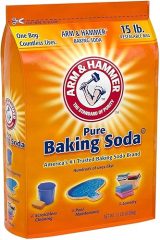 Arm & Hammer Pure Baking Soda (Alkalinity Up)
Raises Total Alkalinity cheaply View on Amazon →
Arm & Hammer Pure Baking Soda (Alkalinity Up)
Raises Total Alkalinity cheaply View on Amazon →
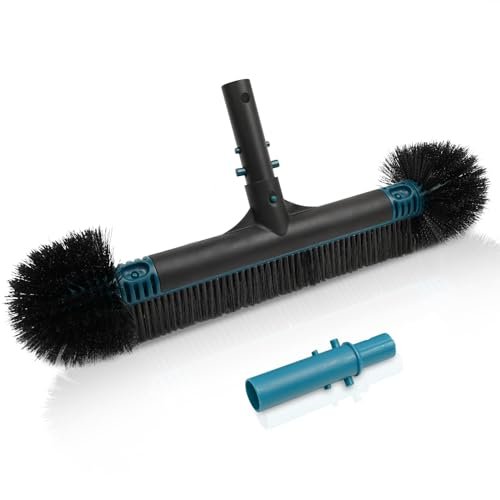 Poolvio 20" 2-in-1 Pool Brush Head (Walls & Floor)
Sturdy 20-inch brush head that clips onto any standard telescopic pole. View on Amazon →
Poolvio 20" 2-in-1 Pool Brush Head (Walls & Floor)
Sturdy 20-inch brush head that clips onto any standard telescopic pole. View on Amazon →
Still need help? Ask a Pool & Spa Expert AD
Get a personalized answer from PoolGuy810 — 30 years owning a pool and spa repair company. Describe your issue and get step-by-step help.
Related Pool Guides
Need More Help?
Try our free pool calculators and tools to help diagnose and fix your pool problems.
Browse Pool ToolsSLAM calculator, pH calculator, salt dosing & more