
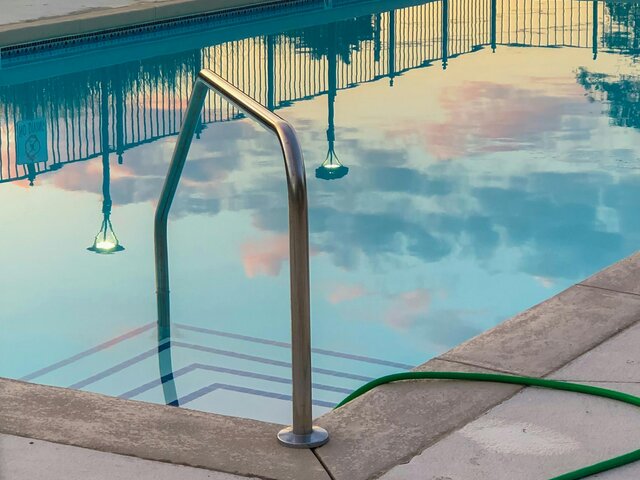
How Long Are Pools Open in Texas? Swimming Season Guide

When can I actually use my pool in Texas year-round?
Read full question
Finally got a second opinion after my pool contractor insisted Texas pools should only stay open 6-7 months yearly, but something about losing half my investment doesn't add up. I moved to Texas thinking I'd be swimming constantly, but I'm honestly confused about when pools are actually swimmable here. Some neighbors say theirs are open March through November, others claim they swim year-round with heaters.
I've been debating whether to invest in a heating system since I'm paying for this pool either way. How long is the typical swimming season in Texas, and is it realistic to keep a pool open all year? I want to maximize my investment and actually enjoy this thing!
Quick Answer
Most Texas pools operate 8-10 months per year (March through November) due to the warm climate. With proper heating systems, many pools can stay open year-round in most Texas regions.
Texas Pool Season by Region
South Texas (Houston, San Antonio, Corpus Christi)
In South Texas, pools can realistically stay open 10-12 months per year. Water temperatures rarely drop below 60°F, making swimming comfortable with minimal heating from February through December. Many pool owners in these areas never fully close their pools, instead reducing chemical maintenance during the coolest months of January and February.
Central & North Central Texas (Austin, Dallas-Fort Worth)
Central Texas pools typically operate from mid-March through early November - about 8-9 months. While air temperatures can drop significantly in winter, a pool heater can extend the season considerably. Water temperatures without heating usually stay swimmable from April through October.
Texas Panhandle / South Plains (Amarillo, Lubbock)
Northern Texas regions have the shortest natural swimming season, typically May through September without heating. However, with proper heating systems, pools can still operate 7-8 months per year. These areas may experience freezing temperatures that require winterization procedures.
Factors That Extend Pool Season
Heating Systems
Installing a pool heater can add 2-4 months to your swimming season. Gas heaters are most popular in Texas due to quick heating capability, while heat pumps work efficiently in the mild climate. Solar heating is particularly effective given Texas's abundant sunshine, often extending the season at minimal operating cost.
Pool Covers and Solar Blankets
A quality solar blanket can raise water temperature by 5-15°F and significantly reduce heat loss overnight. This simple addition often makes the difference between a 7-month and 10-month season without additional heating costs.
Windbreaks and Pool Enclosures
Wind is a major cause of heat loss in pools. Strategic landscaping, fencing, or screening can reduce wind chill effects and maintain comfortable swimming conditions during cooler months.
Monthly Pool Operation Guide for Texas
March-May: Season Opening
Begin regular chemical maintenance and increase filtration hours. Test and balance water chemistry weekly. Start with a complete water test including FCFree Chlorine — The chlorine actively sanitizing your water right now. This is the number you keep an eye on. how much you need → (free chlorine), pH, TATotal Alkalinity — The buffer that keeps your pH from bouncing around. Get this in range and pH gets a lot easier to manage. learn more → (total alkalinity), CYACyanuric Acid (stabilizer) — Sunscreen for your chlorine — it keeps sunlight from burning it off. The catch: the more you have, the more chlorine you need to keep. learn more → (cyanuric acid), and CH (calcium hardness). Target FC levels of 4-6ppm with CYA at 30-50ppm for optimal sanitation.
June-September: Peak Season
Run filtration systems 10-12 hours daily during peak summer. Test water chemistry 2-3 times weekly due to heavy bather loads and intense UV exposure. Maintain FC levels according to your CYA level using the FC/CYAFC/CYA chart — The chart that sets your chlorine target from your stabilizer (CYA) level — the two go together. see the chart → relationship — our all-in-one pool calculator estimates the free chlorine target for your CYA. Typically, this is 5-7ppm FC with CYA at 30-50ppm.
October-November: Season Extension
Reduce filtration to 8-10 hours daily. Weekly chemical testing is usually sufficient. Consider adding a pool heater or solar blanket to maintain comfortable temperatures as air temperatures drop. Target FC levels of 4-6ppm with CYA at 30-50ppm.
December-February: Winter Options
You can either winterize completely or maintain minimal operation. If keeping open, reduce filtration to 4-6 hours daily and test chemicals bi-weekly. Maintain minimum FC levels of 2-4ppm to prevent algae growth.
Year-Round Pool Maintenance in Texas
Chemical Balance for Extended Seasons
Longer pool seasons require consistent chemical management. Maintain pH between 7.4-7.6, total alkalinity at 80-120ppm, and calcium hardness at 250-350ppm for plaster/concrete pools or 175-225ppm for vinyl/fiberglass pools. Use liquid chlorine rather than trichlor tablets during heavy use periods to avoid over-stabilization.
Equipment Considerations
Extended operation means more wear on equipment. Clean skimmer and pump baskets weekly, backwash sand filters every 4-6 weeks, and clean cartridge filters monthly. Variable speed pumps are particularly beneficial for year-round operation, reducing energy costs during low-use winter months.
Algae Prevention in Warm Climate
Texas's warm temperatures create ideal conditions for algae growth even in winter. Never let FC drop to zero, even during pool closure. If algae does appear, immediately begin SLAMShock Level And Maintain — raise free chlorine to a target based on your CYA and hold it there until the algae is gone. It's a process, not a one-time dose. the SLAM walkthrough → (Shock Level And Maintain) protocol using liquid chlorine to bring FC to shock level based on your CYA reading.
Cost Considerations for Extended Seasons
While Texas's climate allows longer pool seasons, consider the additional costs: increased chemical usage, higher utility bills for filtration and heating, and more frequent equipment maintenance. However, the cost per swim is often lower due to extended use, making year-round operation economical for many Texas pool owners.
Safety During Extended Seasons
Warning: Never swim alone during off-peak seasons when fewer people are around. Install proper lighting for evening swims during shorter winter days. Maintain proper chemical levels even during reduced-use periods to prevent harmful bacteria growth.
For the full breakdown of safe chlorine levels by CYA level, see our pool water chemistry guide.
 Taylor K-2006C Complete FAS-DPD Pool & Spa Test Kit
The FAS-DPD kit pool pros trust — reads chlorine accurately even at shock/SLAM levels, plus pH, alkalinity, calcium hardness and CYA. View on Amazon →
Taylor K-2006C Complete FAS-DPD Pool & Spa Test Kit
The FAS-DPD kit pool pros trust — reads chlorine accurately even at shock/SLAM levels, plus pH, alkalinity, calcium hardness and CYA. View on Amazon →
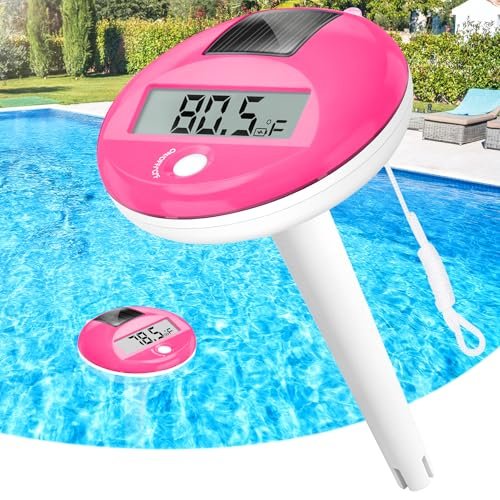 LuxBlue Floating Pool Thermometer, Solar, Large LCD
Easy-read floating thermometer for pool water temperature. View on Amazon →
LuxBlue Floating Pool Thermometer, Solar, Large LCD
Easy-read floating thermometer for pool water temperature. View on Amazon →
 Liquid Chlorine / Sodium Hypochlorite (12.5%)
Everyday sanitizer — the B in BBB View on Amazon →
Liquid Chlorine / Sodium Hypochlorite (12.5%)
Everyday sanitizer — the B in BBB View on Amazon →
Still need help? Ask a Pool & Spa Expert AD
Get a personalized answer from PoolGuy810 — 30 years owning a pool and spa repair company. Describe your issue and get step-by-step help.
Related Pool Guides
Need More Help?
Try our free pool calculators and tools to help diagnose and fix your pool problems.
Browse Pool ToolsSLAM calculator, pH calculator, salt dosing & more