
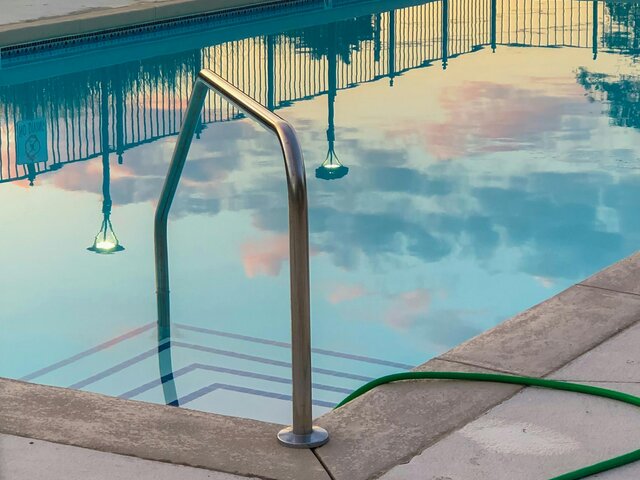
Can I Swim After Shocking Pool? Safe Swimming Timeline

How long to wait before swimming after shocking my pool?
Read full question
About to stand in my backyard at 6 AM staring at my freshly shocked 20,000 gallon inground pool with no clue if the calcium hypochlorite has cleared enough for my kids to swim. I added about 2 pounds of shock treatment around 8 PM, and now it's been about 12 hours. The water looks much clearer, but I can still smell that strong chlorine odor.
I'm planning a pool party this afternoon and want to make sure it's safe for everyone to swim. I know you're supposed to wait for the chlorine to come down, but I'm not sure exactly what levels are safe or how long I should expect to wait. I have test strips but want to make sure I'm testing for the right things. Should I also be checking the pH levels before letting people in? Any guidance on the safe timeline for swimming after shocking would be really helpful.
Quick Answer
You can swim after shocking once free chlorine is back under 10 ppm, the water is clear enough to see the bottom, and pH and alkalinity are balanced — usually 8-24 hours, depending on the shock type and dose. Always test before anyone gets in.
Quick Answer: Wait Until Free Chlorine Drops Below 10 ppm
You can get back in your freshly shocked pool once free chlorine drops below 10 ppm. This typically takes 8-24 hours depending on the type and amount of shock used, sunlight exposure, and pool circulation. Never swim immediately after shocking - high chlorine levels can cause skin and eye irritation and bleach swimwear, so wait until levels come back down.
Timeline by Shock Type
Calcium Hypochlorite (Cal-Hypo) Shock
The most common pool shock requires the longest wait time. After adding cal-hypo shock at typical doses (1 lb per 12,000-15,000 gallons), wait 12-24 hours before swimming. This shock dissolves slowly and maintains higher chlorine levels longer. Test your water after 8 hours, then every 2-4 hours until free chlorine drops below 10 ppm (per CDC).
Sodium Hypochlorite (Liquid Chlorine) Shock
Liquid chlorine dissipates faster than granular shock. When using liquid chlorine for shocking (typically 0.5-1 gallon per 10,000 gallons), you can often swim within 8-12 hours. The key advantage is faster dissolution and no calcium buildup in your pool.
Lithium Hypochlorite Shock
Lithium hypochlorite dissolves completely with no residue; as with any shock, swim only once free chlorine drops below 10 ppm, which can be 8-12 hours or sooner with a light dose. However, lithium shock is expensive and less commonly used. It dissolves completely and works well in all water temperatures.
Step-by-Step Safe Swimming Protocol
- Wait minimum 8 hours after adding any shock product, regardless of type or amount used
- Test free chlorine levels using a reliable test kit like Taylor K-2006 or comparable digital tester
- Verify free chlorine is below 10 ppm - per the CDC, that is the maximum while anyone is in the water
- Check pH levels and ensure they're between 7.2-7.6 for comfort and balanced water
- Test total alkalinity to confirm it's in the 80-120 ppm range
- Run filtration system for at least 2 hours after confirming safe levels to ensure proper circulation
Factors That Affect Wait Time
Sunlight and UV Exposure
Direct sunlight breaks down chlorine rapidly. Pools shocked during sunny days will have safe swimming levels sooner than those shocked at night or during cloudy weather. UV rays can significantly reduce chlorine levels without proper cyanuric acid (CYACyanuric Acid (stabilizer) — Sunscreen for your chlorine — it keeps sunlight from burning it off. The catch: the more you have, the more chlorine you need to keep. learn more →) levels.
Pool Temperature
Warmer water accelerates chemical reactions and chlorine dissipation. Summer pools often reach safe levels 2-4 hours faster than cooler spring or fall pools. Water above 85°F will process shock treatments significantly faster.
Circulation and Filtration
Proper water movement helps distribute and filter shock chemicals. Run your pump continuously for at least 8 hours after shocking to circulate and break down the chlorine (the shorter 2-hour run mentioned in the steps above is just the final circulation check once levels are already safe). Poor circulation can create pockets of high chlorine concentration that remain unsafe longer.
Cyanuric Acid (Stabilizer) Levels
CYA between 30-50 ppm protects chlorine from UV breakdown but also requires higher chlorine levels for effectiveness. Pools with proper CYA levels maintain more consistent chlorine readings but may need longer wait times after heavy shocking.
Warning Signs: When NOT to Swim
- Visible chemical residue floating on surface or settled on bottom
- Strong chlorine odor - healthy pools have minimal chlorine smell
- Cloudy or discolored water - indicates incomplete mixing or ongoing chemical reactions
- FCFree Chlorine — The chlorine actively sanitizing your water right now. This is the number you keep an eye on. how much you need → levels above 10 ppm (the CDC swim limit) - can cause skin/eye irritation and damage swimwear
- pH below 7.0 or above 8.0 - creates uncomfortable swimming conditions
Testing Requirements
Use a reliable test method like Taylor K-2006 drop test kit or comparable digital tester. Pool test strips are less accurate for post-shock testing. Test at the deep end away from return jets for most accurate readings. Record your results to track how your specific pool responds to shocking.
Retest every 2 hours once you're within 6-8 hours of your target swim time. Chlorine levels can drop rapidly once they start declining, especially in warm, sunny conditions.
Safety Reminders
Avoid swimming right after shocking - undissolved shock granules can still be in the water and may cause skin irritation and even chemical burns on direct contact. Always shower before and after swimming in recently shocked pools. Keep shock chemicals away from swimmers and store properly between uses.
If you're using the SLAMShock Level And Maintain — raise free chlorine to a target based on your CYA and hold it there until the algae is gone. It's a process, not a one-time dose. the SLAM walkthrough → method for algae treatment, maintain shock-level chlorine based on your specific CYA level using the all-in-one pool calculator until water clears completely. This process can take several days and requires daily testing and chlorine additions.
For the full breakdown of safe chlorine levels by CYA level, see our pool water chemistry guide.
 Taylor K-2006C Complete FAS-DPD Pool & Spa Test Kit
The FAS-DPD kit pool pros trust — reads chlorine accurately even at shock/SLAM levels, plus pH, alkalinity, calcium hardness and CYA. View on Amazon →
Taylor K-2006C Complete FAS-DPD Pool & Spa Test Kit
The FAS-DPD kit pool pros trust — reads chlorine accurately even at shock/SLAM levels, plus pH, alkalinity, calcium hardness and CYA. View on Amazon →
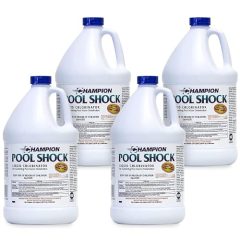 Liquid Chlorine / Sodium Hypochlorite (12.5%)
Everyday sanitizer — the B in BBB View on Amazon →
Liquid Chlorine / Sodium Hypochlorite (12.5%)
Everyday sanitizer — the B in BBB View on Amazon →
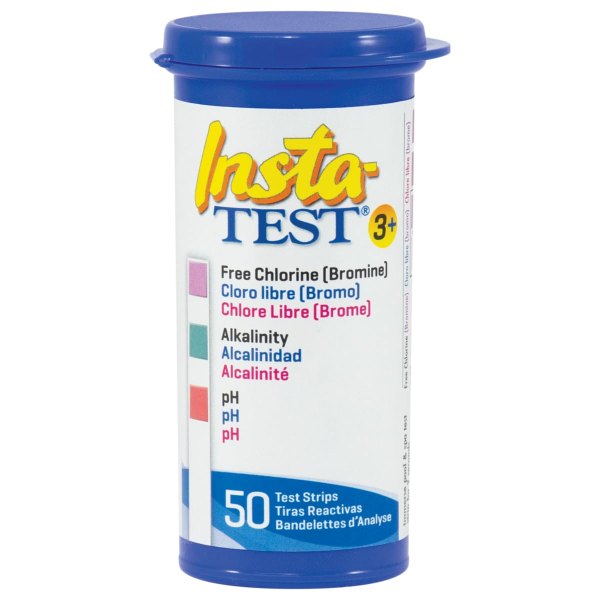 LaMotte Insta-Test 3 Pool Strips (50 ct)
Pro-grade 3-way strips from LaMotte — chlorine, pH & alkalinity, fast and accurate. Top-rated at 4.8★. View on Amazon →
LaMotte Insta-Test 3 Pool Strips (50 ct)
Pro-grade 3-way strips from LaMotte — chlorine, pH & alkalinity, fast and accurate. Top-rated at 4.8★. View on Amazon →
Still need help? Ask a Pool & Spa Expert AD
Get a personalized answer from PoolGuy810 — 30 years owning a pool and spa repair company. Describe your issue and get step-by-step help.
Need More Help?
Try our free pool calculators and tools to help diagnose and fix your pool problems.
Browse Pool ToolsSLAM calculator, pH calculator, salt dosing & more