
Can I Shock My Pool 2 Days in a Row? Complete Safety Guide

Is it safe to shock my pool twice in a row?
Read full question
Walked into my new house and discovered the previous owners left the pool water so disgustingly cloudy that yesterday's shock treatment barely made a dent. I'm wondering if it's okay to hit it with another round of shock today or if that's overkill?
I've heard mixed things about back-to-back shocking - some people say it's fine for stubborn algae, others warn about turning your pool into a chemical soup. What's the real deal here? Don't want to fry my pool equipment or create a safety hazard, but also want to get this water crystal clear again.
Quick Answer
Yes, you can shock two days in a row if free chlorine hasn't reached shock level or you're treating algae — but test first to avoid over-chlorinating. Per the CDC pool code (Model Aquatic Health Code), free chlorine should not exceed 10 ppm while anyone is in the water, so wait until it is below 10 ppm to swim. The same code also calls for the water to be clear enough to see the bottom and pH held at 7.2-7.8.
First, Let's Diagnose Why You Need to Shock Again
Before adding more shock, we need to determine what's happening in your pool. There are several legitimate reasons why a second day of shocking might be necessary:
Your Pool Didn't Reach Proper Shock Level
If your free chlorine (FCFree Chlorine — The chlorine actively sanitizing your water right now. This is the number you keep an eye on. how much you need →) reading is still below your target shock level after 24 hours, you likely didn't add enough shock initially. This commonly happens when pool owners underestimate their pool's chlorine demand or use outdated calcium hypochlorite shock that has lost potency.
You're Performing a SLAM Process
If you're treating algae using the SLAMShock Level And Maintain — raise free chlorine to a target based on your CYA and hold it there until the algae is gone. It's a process, not a one-time dose. the SLAM walkthrough → method (Shock Level And Maintain), you'll need to maintain shock-level chlorine for several days until your pool passes the overnight chlorine loss test (OCLT). This often requires daily shocking for 3-7 days.
Your Pool Has High Chlorine Demand
Pools with heavy bather loads, recent algae blooms, or high organic contamination may consume chlorine rapidly. In these cases, successive shocking treatments are not only safe but necessary.
Step-by-Step Solution for Second-Day Shocking
Step 1: Test Your Current Water Chemistry
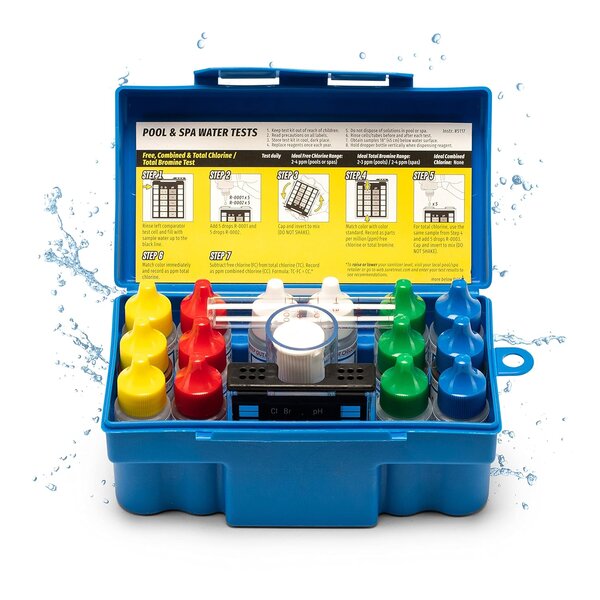
Before adding any chemicals, test your pool water using a reliable test kit like the Taylor K-2006C. You need accurate readings for:
- Free Chlorine (FC)
- Combined Chlorine (CCCombined Chlorine — "Used-up" chlorine left over from doing its job. Above about 0.5 ppm is the classic sign water needs a shock. learn more →)
- pH level
- Cyanuric Acid (CYACyanuric Acid (stabilizer) — Sunscreen for your chlorine — it keeps sunlight from burning it off. The catch: the more you have, the more chlorine you need to keep. learn more →)
This testing is crucial because it determines both if you need more shock and how much to add.
Step 2: Calculate Your Target Shock Level
Your shock level depends on your CYA reading. Using the FC/CYAFC/CYA chart — The chart that sets your chlorine target from your stabilizer (CYA) level — the two go together. see the chart → relationship:
- CYA 30-40 ppm: Shock level is 12-16 ppm FC
- CYA 50-60 ppm: Shock level is 20-24 ppm FC
- CYA 70-80 ppm: Shock level is 28-32 ppm FC
If your current FC is below this target, you need more shock.
Step 3: Adjust pH Before Shocking
Chlorine effectiveness drops dramatically at high pH. If your pH is above 7.6, lower it to 7.2-7.4 using muriatic acid before adding more shock. Add muriatic acid according to manufacturer specifications - the amount needed varies significantly based on current pH and total alkalinity levels, so always follow product dosing charts rather than general rules of thumb.
Step 4: Calculate and Add the Appropriate Amount of Shock
For a quick estimate: our all-in-one pool calculator works out a dose estimate from your pool size, current FC and target FC (and adjusts for your product’s strength automatically). If you’d rather do it by hand, here’s a rough guide — just note the amount varies with the chlorine’s concentration, so the calculator is more reliable:
As a rule of thumb, a gallon of 12.5% liquid chlorine raises FC by roughly 12-13 ppm per 10,000 gallons (weaker products need proportionally more). Rather than working it out by hand, size the dose with our easy-to-use pool calculator or browse our pool guides, then add with the pump running and retest.
Our all-in-one pool calculator works out how many gallons of liquid chlorine to add for your pool and target.
Step 5: Add Shock Properly
Pour liquid chlorine slowly around the pool perimeter with the pump running. Never add shock to the skimmer, and avoid shocking during peak sunlight hours. Evening application is ideal.
Safety Considerations for Consecutive Shocking
Avoid Over-Chlorination
Test before you add more. The reason to test first is mainly to avoid overshooting and wasting chlorine — not safety. If you’re clearing algae you’ll deliberately hold high FC for days (with nobody swimming). Only truly excessive, sustained chlorine far above normal would eventually fade swimwear or a liner — normal shocking won’t.
When Can You Swim Again?
It’s safe to swim once the water is clear enough to see the bottom, pH is balanced, and free chlorine is under 10 ppm — the CDC limit while swimmers are in the water. If you pushed FC well above your normal range after shocking, it’ll drift back down on its own in 8-24 hours depending on sun, temperature, and CYA, so just wait until it’s under 10 ppm and the water is clear.
Equipment Protection
What actually matters for your equipment is keeping pH balanced (7.2-7.6); pool-diluted chlorine, even at shock level, won’t harm your pump or seals. One exception: pull a robotic cleaner out during shocking, since hours soaking in high chlorine can degrade it.
When NOT to Shock Two Days in a Row
Avoid consecutive shocking if:
- Your FC is already at or above shock level
- Your pH is above 7.8 (fix pH first)
- You’re using a salt water generator (turn off the SWGSalt Water Generator — The "salt cell" that makes chlorine from the salt in a saltwater pool. Same chlorine — it just makes its own. pool terms → during shocking and keep it off until FC comes back down into your normal range for your CYA, often 24-48 hours)
- Your CYA is above 100 ppm (drain and refill needed)
Monitoring Your Progress
Test your water 6-8 hours after the second shock treatment, then again the next morning. If you're performing SLAM, you're successful when:
- Water is crystal clear
- FC loss overnight is less than 1 ppm
- Combined chlorine stays at 0.5 ppm or lower AND is less than your free chlorine reading
Alternative Approaches
If you find yourself needing to shock frequently, consider these solutions:
- Switch to liquid chlorine for more predictable results
- Test and adjust your CYA levels (30-50 ppm optimal)
- Improve your regular maintenance routine
- Address the root cause (algae, high bather loads, poor circulation)
Remember, shocking two consecutive days is completely safe when done correctly. The key is testing your water, calculating proper dosages, and understanding why your pool needs additional treatment.
For the full breakdown of safe chlorine levels by CYA level, see our pool water chemistry guide.
 Taylor K-2006C Complete FAS-DPD Pool & Spa Test Kit
The FAS-DPD kit pool pros trust — reads chlorine accurately even at shock/SLAM levels, plus pH, alkalinity, calcium hardness and CYA. View on Amazon →
Taylor K-2006C Complete FAS-DPD Pool & Spa Test Kit
The FAS-DPD kit pool pros trust — reads chlorine accurately even at shock/SLAM levels, plus pH, alkalinity, calcium hardness and CYA. View on Amazon →
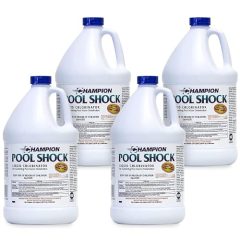 Liquid Chlorine / Sodium Hypochlorite (12.5%)
Everyday sanitizer — the B in BBB View on Amazon →
Liquid Chlorine / Sodium Hypochlorite (12.5%)
Everyday sanitizer — the B in BBB View on Amazon →
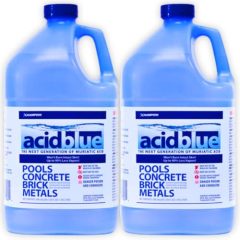 Acid Blue - Low Fume Muriatic Acid for Swimming Pools & Spas - Lower's pH, Reduces Alkalinity - 2 Gallon
View on Amazon →
Acid Blue - Low Fume Muriatic Acid for Swimming Pools & Spas - Lower's pH, Reduces Alkalinity - 2 Gallon
View on Amazon →
Still need help? Ask a Pool & Spa Expert AD
Get a personalized answer from PoolGuy810 — 30 years owning a pool and spa repair company. Describe your issue and get step-by-step help.
Need More Help?
Try our free pool calculators and tools to help diagnose and fix your pool problems.
Browse Pool ToolsSLAM calculator, pH calculator, salt dosing & more