
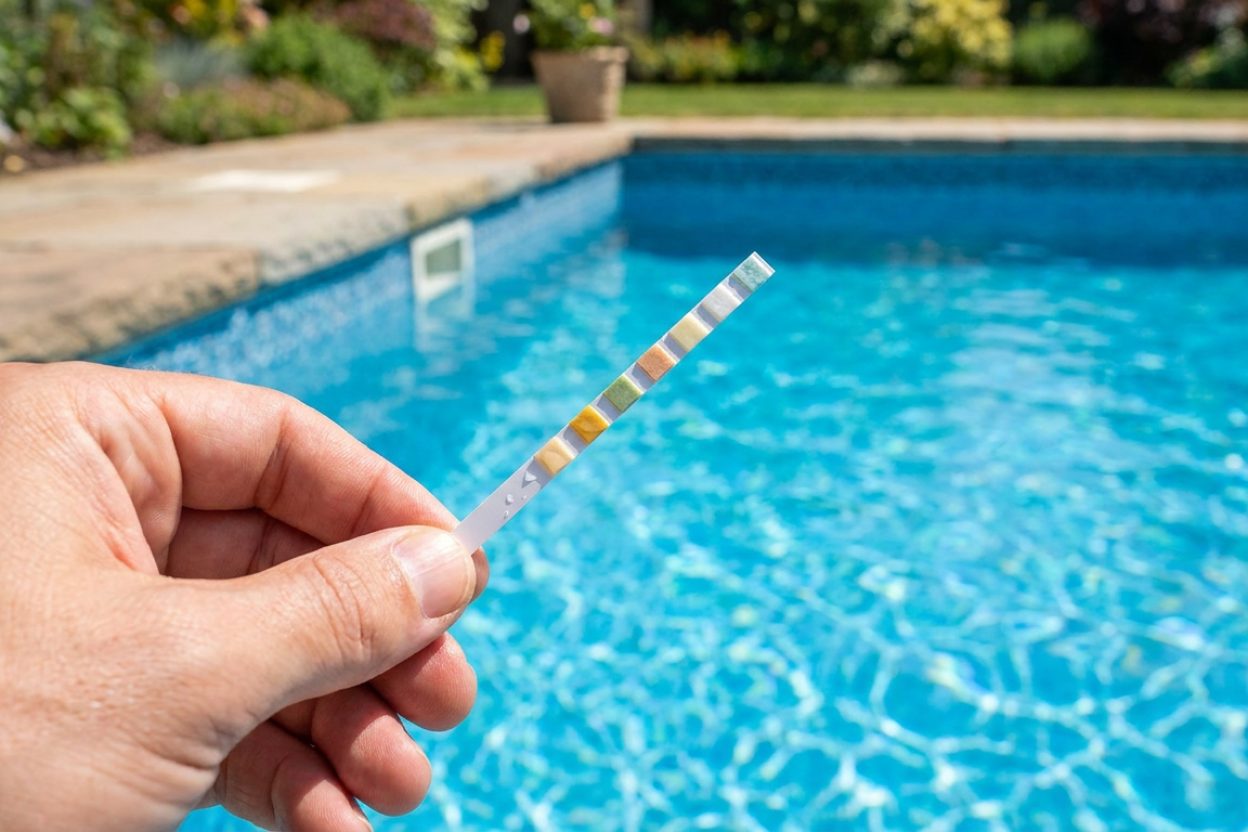
Do I Need Alkalinity in My Pool? Essential Water Chemistry Guide

Is pool alkalinity actually necessary or just another expense?
Read full question
Staring at this rental property pool that I've never maintained before and the pH keeps bouncing from 6.8 to 8.2 no matter how much acid or soda ash I add. My pool guy mentioned something about alkalinity being important, but honestly at this point I'm wondering if it's just another way to get me to buy more chemicals.
Do I actually NEED to worry about alkalinity levels, or is it just marketing BS? I'm willing to do whatever it takes to get stable water, but I need to know if this is really going to help or if I'm just wasting more money on chemicals that won't fix my pH roller coaster.
Quick Answer
Yes, you absolutely need proper alkalinity in your pool water. Alkalinity acts as a pH buffer, preventing rapid pH swings and maintaining water balance for swimmer comfort and equipment protection.
Why Alkalinity is Essential for Your Pool
Before reaching for another chemical, check your alkalinity first: total alkalinity buffers pH, and getting it right makes the rest of your chemistry far easier to keep stable. Total Alkalinity (TATotal Alkalinity — The buffer that keeps your pH from bouncing around. Get this in range and pH gets a lot easier to manage. learn more →) is one of the most critical components of pool water chemistry, acting as a pH buffer that prevents dramatic swings in your pool's pH levels. Without adequate alkalinity, your pool water becomes unstable, leading to equipment damage, swimmer discomfort, and increased chemical consumption.
Think of alkalinity as your pool's insurance policy against pH fluctuations. When alkalinity levels are correct, your pool water resists sudden changes when contaminants, swimmers, or weather affect the water chemistry.
Optimal Alkalinity Levels for Different Pool Types
The target alkalinity range depends on your pool type and sanitization system:
- Traditional chlorine pools: 60-80 ppm (the range TFP finds keeps pH most stable; the older 80-120 ppm pool-store range makes pH rise faster)
- Salt water generator pools: 60-80 ppm (lower range prevents scaling)
- Plaster pools: 60-80 ppm is fine; etching is driven mainly by low pH and low calcium hardness, not by total alkalinity
- Vinyl/fiberglass pools: 60-80 ppm works well (these surfaces don't need extra alkalinity)
The Trouble Free Pool (TFP) method actually recommends a lower TA of 60-80 ppm for both chlorine and salt pools, because TA above about 100 ppm makes pH rise faster and forces constant acid additions — exactly the roller-coaster you're trying to avoid.
What Happens Without Proper Alkalinity
Low Alkalinity Problems (Below 60 ppm)
When alkalinity drops too low, your pool experiences:
- pH bounce: Rapid pH swings from small chemical additions
- Corrosion: Low pH episodes damage metal equipment, heaters, and pool surfaces
- Eye and skin irritation: Unstable pH causes swimmer discomfort
- Corrosion and scaling: low pH corrodes and etches surfaces, while high pH scales and clouds water
- Staining: Metals dissolve and stain pool surfaces
High Alkalinity Problems (Above 150 ppm)
Excessive alkalinity creates different issues:
- pH lock: Difficulty lowering pH when needed
- Cloudy water: High alkalinity can cause calcium precipitation
- Scale formation: Calcium buildup on pool surfaces and equipment
- Reduced sanitizer efficiency: High pH reduces chlorine effectiveness
- Filter clogging: Scale particles clog filtration systems
Testing and Monitoring Alkalinity
Test your pool's alkalinity weekly using a quality test kit:
- Taylor K-2006 test kit: Most accurate for comprehensive water testing
- Taylor K-1004 test kit: Basic but reliable alkalinity and pH testing
- Test strips: Convenient but less accurate than liquid reagent tests
Always test alkalinity before adjusting pH levels. The alkalinity reading helps determine how much pH adjuster to add and how stable the pH will remain after adjustment.
Adjusting Pool Alkalinity Levels
Raising Low Alkalinity
Use sodium bicarbonate (baking soda) to increase alkalinity:
- Dosage: 1.5 pounds of sodium bicarbonate raises alkalinity by approximately 10 ppm in 10,000 gallons
- Application: Dissolve in warm water before adding to pool
- Distribution: Pour around pool perimeter with pump running
- Wait time: Test again after 6-8 hours of circulation
Lowering High Alkalinity
Use muriatic acid or sodium bisulfate to decrease alkalinity:
- Muriatic acid: More effective but requires careful handling
- Dosage: 1 quart of full-strength (31.45%) muriatic acid lowers alkalinity by approximately 12-13 ppm in 10,000 gallons
- Safety: Always add acid to water, never water to acid
- Application: Pour slowly into deep end with pump running
- Aeration: Run fountains or spa blower to raise pH after acid addition
Balancing Alkalinity with Other Chemicals
Alkalinity works in conjunction with other water chemistry parameters:
pH Relationship
Alkalinity and pH are interconnected. When adjusting alkalinity with acid, pH will drop simultaneously. Use aeration or add sodium carbonate to raise pH back to the 7.4-7.6 ideal range without significantly affecting alkalinity.
Calcium Hardness Interaction
High alkalinity combined with high calcium hardness increases scaling potential. Monitor both parameters, especially in areas with hard water or when using calcium hypochlorite as your primary sanitizer.
Common Alkalinity Mistakes to Avoid
- Ignoring alkalinity when pH is unstable: Always check and adjust alkalinity first
- Using pool store "pH increaser": This raises both pH and alkalinity, often overshooting targets
- Adding too much at once: Make gradual adjustments and retest
- Not considering pool type: Salt water generators require lower alkalinity ranges
- Mixing incompatible chemicals: Never mix different pool chemicals together
Seasonal Alkalinity Management
Alkalinity needs change throughout the swimming season:
- Spring opening: Test and adjust alkalinity before balancing other chemicals
- Heavy use periods: Monitor more frequently as bather load affects alkalinity
- Rainy seasons: Rainfall can dilute alkalinity levels
- Winter preparation: Ensure proper alkalinity before closing to prevent off-season problems
Maintaining proper alkalinity is not optional—it's fundamental to pool water chemistry. Regular testing and gradual adjustments will keep your pool water balanced, comfortable, and equipment-friendly throughout the swimming season.
For the full breakdown of safe chlorine levels by CYACyanuric Acid (stabilizer) — Sunscreen for your chlorine — it keeps sunlight from burning it off. The catch: the more you have, the more chlorine you need to keep. learn more → level, see our pool water chemistry guide.
 Taylor K-2006C Complete FAS-DPD Pool & Spa Test Kit
The FAS-DPD kit pool pros trust — reads chlorine accurately even at shock/SLAM levels, plus pH, alkalinity, calcium hardness and CYA. View on Amazon →
Taylor K-2006C Complete FAS-DPD Pool & Spa Test Kit
The FAS-DPD kit pool pros trust — reads chlorine accurately even at shock/SLAM levels, plus pH, alkalinity, calcium hardness and CYA. View on Amazon →
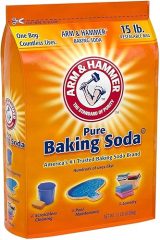 Arm & Hammer Pure Baking Soda (Alkalinity Up)
Raises Total Alkalinity cheaply View on Amazon →
Arm & Hammer Pure Baking Soda (Alkalinity Up)
Raises Total Alkalinity cheaply View on Amazon →
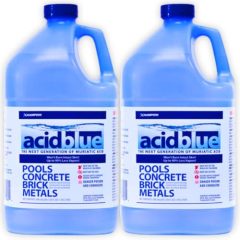 Acid Blue - Low Fume Muriatic Acid for Swimming Pools & Spas - Lower's pH, Reduces Alkalinity - 2 Gallon
View on Amazon →
Acid Blue - Low Fume Muriatic Acid for Swimming Pools & Spas - Lower's pH, Reduces Alkalinity - 2 Gallon
View on Amazon →
Still need help? Ask a Pool & Spa Expert AD
Get a personalized answer from PoolGuy810 — 30 years owning a pool and spa repair company. Describe your issue and get step-by-step help.
Related Pool Guides
Need More Help?
Try our free pool calculators and tools to help diagnose and fix your pool problems.
Browse Pool ToolsSLAM calculator, pH calculator, salt dosing & more