

Can You Shock Pool With High CYA? Safe Methods & Solutions

How to properly shock pool when CYA levels are elevated?
Read full question
Between liquid chlorine and cal-hypo shock for tackling this algae mess when my cyanuric acid is already sitting at 80-90 ppm. I understand that high CYA reduces chlorine effectiveness, but I'm not sure about the correct approach for shocking under these conditions.
What's the proper methodology for calculating shock dosage when CYA is high? Should I be using a specific FC/CYA ratio, or is there a point where the CYA is too high to shock effectively? I want to ensure I'm using the right amount of chlorine without wasting chemicals or creating unsafe conditions.
Quick Answer
You can shock a pool with high CYA levels, but it requires significantly more chlorine due to reduced effectiveness. Use the FC/CYA chart to determine proper shock levels, or consider partial water replacement if CYA exceeds 100 ppm.
Understanding High CYA Impact on Shocking
Cyanuric acid acts as a chlorine stabilizer, protecting it from UV degradation but also reducing its sanitizing power. The higher your CYACyanuric Acid (stabilizer) — Sunscreen for your chlorine — it keeps sunlight from burning it off. The catch: the more you have, the more chlorine you need to keep. learn more → level, the more bound your chlorine becomes, making it less effective at killing algae and bacteria. This relationship is critical when shocking your pool.
For effective shocking with high CYA levels, you need to understand the FC/CYAFC/CYA chart — The chart that sets your chlorine target from your stabilizer (CYA) level — the two go together. see the chart → ratio. The minimum FCFree Chlorine — The chlorine actively sanitizing your water right now. This is the number you keep an eye on. how much you need → level should be CYA ÷ 10, but for shocking (SLAMShock Level And Maintain — raise free chlorine to a target based on your CYA and hold it there until the algae is gone. It's a process, not a one-time dose. the SLAM walkthrough → method), you need much higher levels:
- CYA 30-50 ppm: Shock level 12-20 FC
- CYA 60-80 ppm: Shock level 24-32 FC
- CYA 90-100 ppm: Shock level 36-40 FC
- CYA over 100 ppm: Consider partial drain instead
Proper Shocking Method with High CYA
- Test your current levels: Use a Taylor K-2006 or similar test kit to get accurate CYA and FC readings. Pool strips are unreliable for high CYA situations.
- Calculate required shock level: For a handy reference, use our all-in-one pool calculator. Alternatively, you can estimate by multiplying your CYA level by 0.4 to determine the target FC for shocking. For example, 80 ppm CYA requires 32 ppm FC.
- Choose liquid chlorine: Use 12.5% sodium hypochlorite (liquid chlorine) rather than cal-hypo shock, which doesn't add CYA but can raise calcium levels. Our all-in-one pool calculator sizes how much you'll need to reach shock level for your CYA.
- Add chlorine gradually: Pour liquid chlorine around the pool perimeter with pump running. Add 50% of calculated amount initially, wait 1 hour, then retest.
- Maintain shock level: Keep FC at shock level continuously until you pass the overnight chlorine loss test (OCLT) - losing less than 1 ppm overnight, combined chlorine (CCCombined Chlorine — "Used-up" chlorine left over from doing its job. Above about 0.5 ppm is the classic sign water needs a shock. learn more →) is 0.5 ppm or less, and the water is clear.
When High CYA Becomes Problematic
While you can shock with high CYA, there are practical limits. CYA levels above 100 ppm make shocking impractical and very costly due to the massive amounts of chlorine required. At 120 ppm CYA, you'd need to maintain 48 ppm FC for effective shocking - that's dangerous swimming conditions and costly chemical usage.
Consider partial water replacement when:
- CYA exceeds 100 ppm
- Chlorine demand becomes excessive (using more than 2 gallons liquid chlorine daily)
- Pool won't clear despite maintaining proper shock levels
- Chemical costs exceed drain/refill expenses
Alternative Solutions for Extremely High CYA
Partial Water Replacement
The most cost-effective solution for CYA over 100 ppm is dilution. Drain 25-50% of pool water and refill with fresh water. This immediately reduces CYA levels and makes shocking more effective. Calculate the dilution: removing 50% water cuts CYA in half.
CYA Reducer Products
Bio-Active CYA Reducer can lower stabilizer levels without draining, though it works slowly over several weeks. Follow manufacturer instructions carefully - dosage varies by product - see manufacturer specifications for exact treatment rates and expected CYA reduction.
Safety Considerations
Avoid swimming during shocking, while free chlorine is above 10 ppm (per CDC). High-CYA shocking requires very high chlorine that can irritate skin and eyes. Always:
- Wear safety equipment when handling large amounts of liquid chlorine
- Add chemicals with pool equipment running for proper circulation
- Wait until free chlorine is back under 10 ppm before swimming
- Store excess liquid chlorine in cool, ventilated areas away from other chemicals
Preventing Future High CYA Issues
Avoid this situation by using liquid chlorine for regular sanitization instead of trichlor tablets or cal-hypo shock. These stabilized chlorine products continuously add CYA, creating the high stabilizer problem. Maintain CYA at 30-50 ppm for traditional chlorine pools or 70-80 ppm for salt water generators.
Test CYA monthly during swimming season and consider it when choosing your primary sanitizer. The convenience of tablets isn't worth the eventual CYA problems and expensive shocking requirements.
For the full breakdown of safe chlorine levels by CYA level, see our pool water chemistry guide.
 Taylor K-2006C Complete FAS-DPD Pool & Spa Test Kit
The FAS-DPD kit pool pros trust — reads chlorine accurately even at shock/SLAM levels, plus pH, alkalinity, calcium hardness and CYA. View on Amazon →
Taylor K-2006C Complete FAS-DPD Pool & Spa Test Kit
The FAS-DPD kit pool pros trust — reads chlorine accurately even at shock/SLAM levels, plus pH, alkalinity, calcium hardness and CYA. View on Amazon →
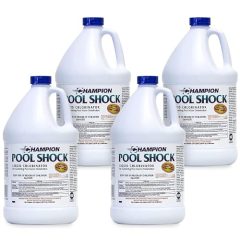 Liquid Chlorine / Sodium Hypochlorite (12.5%)
Everyday sanitizer — the B in BBB View on Amazon →
Liquid Chlorine / Sodium Hypochlorite (12.5%)
Everyday sanitizer — the B in BBB View on Amazon →
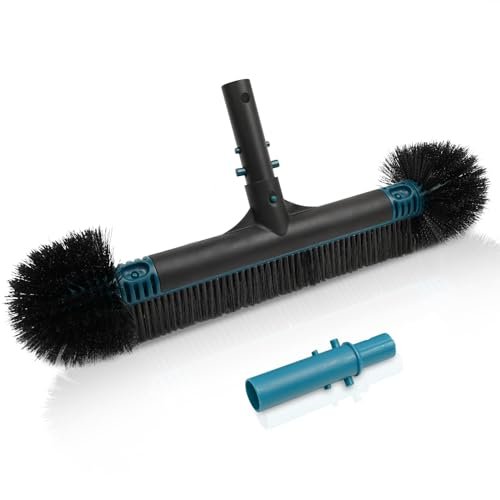 Poolvio 20" 2-in-1 Pool Brush Head (Walls & Floor)
Sturdy 20-inch brush head that clips onto any standard telescopic pole. View on Amazon →
Poolvio 20" 2-in-1 Pool Brush Head (Walls & Floor)
Sturdy 20-inch brush head that clips onto any standard telescopic pole. View on Amazon →
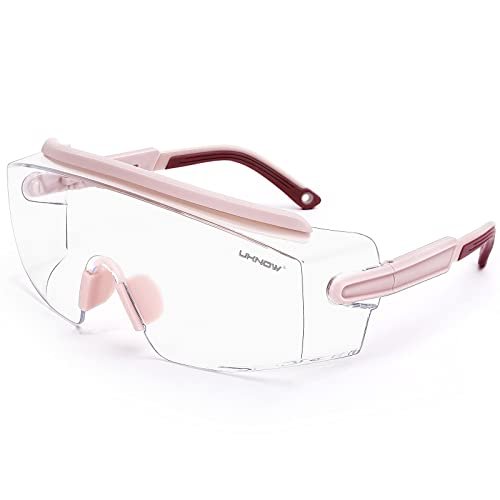 UKNOW Anti-Fog Chemical Splash Safety Goggles
Sealed splash goggles for handling muriatic acid and chlorine. View on Amazon →
UKNOW Anti-Fog Chemical Splash Safety Goggles
Sealed splash goggles for handling muriatic acid and chlorine. View on Amazon →
Still need help? Ask a Pool & Spa Expert AD
Get a personalized answer from PoolGuy810 — 30 years owning a pool and spa repair company. Describe your issue and get step-by-step help.
Related Pool Guides
Need More Help?
Try our free pool calculators and tools to help diagnose and fix your pool problems.
Browse Pool ToolsSLAM calculator, pH calculator, salt dosing & more