
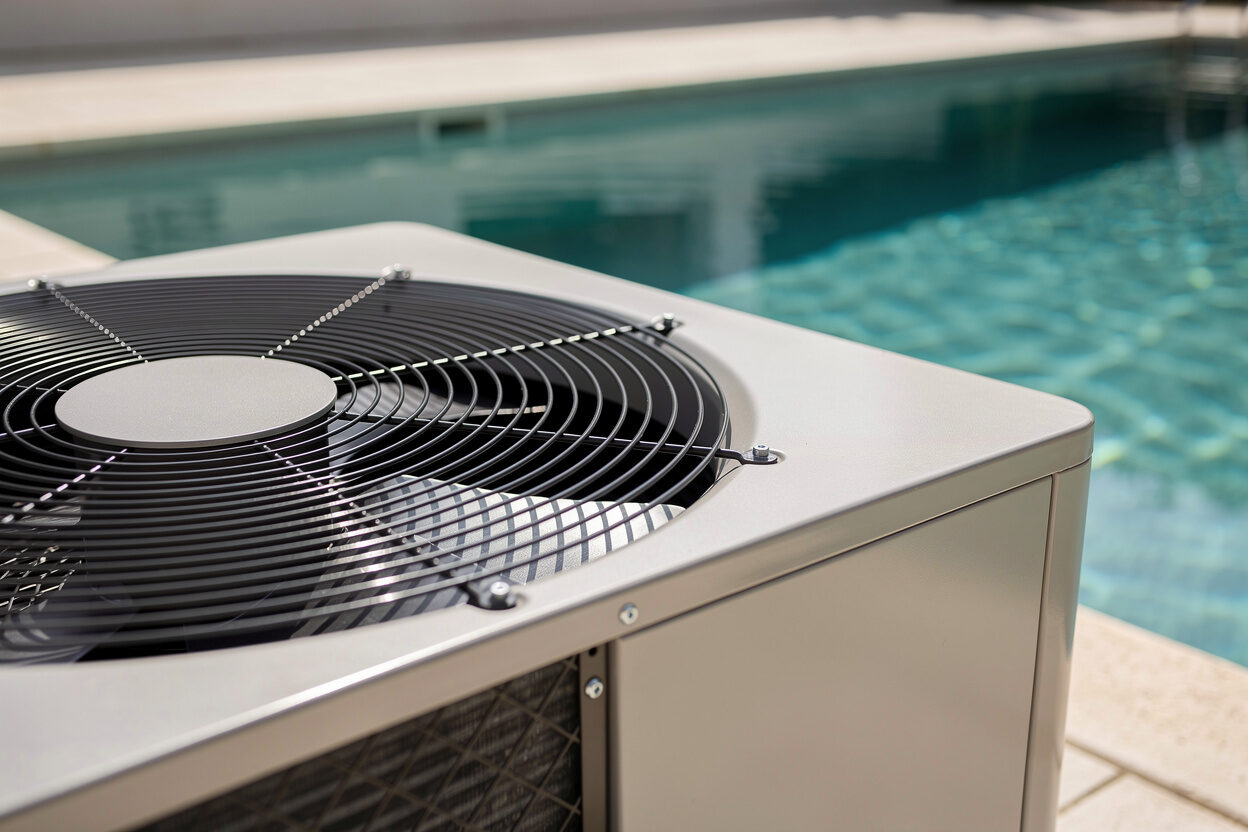
Do You Need Pool Heating in Orlando in April? Temperature Guide

Orlando pool temps in April - need heater?
Read full question
Woke up this morning realizing our pool party is this weekend and I have no idea if April water temps in Orlando will freeze our guests out without heating. What are typical pool temperatures in April without a heater? Is it warm enough to swim comfortably or should I budget for heating equipment?
Quick Answer
Orlando pools in April typically reach 75-78°F naturally, which most people find comfortable for swimming. Pool heating is generally not necessary unless you prefer water temperatures above 82°F.
Step-by-Step Assessment for April Pool Heating
- Check Current Pool Temperature
Use a reliable pool thermometer to measure your current water temperature. Take readings at different times of day - early morning (coolest), afternoon (warmest), and evening. April pool temperatures in Orlando typically range from 72°F in early morning to 78°F in late afternoon. - Determine Your Comfort Zone
Most swimmers find these temperature ranges comfortable:- Lap swimming/exercise: 78-82°F
- Recreational swimming: 78-84°F
- Children and elderly: 82-86°F
- Therapy/spa use: 88-104°F
- Consider Your Pool's Exposure
Evaluate factors affecting your pool's natural heating:- Sun exposure: South-facing pools warm faster
- Wind exposure: Constant wind cools pools significantly
- Shade from trees or structures
- Pool size and depth: Smaller, shallower pools warm quicker
- Assess Usage Patterns
Consider when and how often you use your pool:- Early morning swimmers may want heating (natural temp around 72°F)
- Evening swimmers typically find natural temps comfortable
- Weekend-only use may not justify heating costs
- Daily use might benefit from consistent temperature control
- Calculate Heating Costs vs. Benefits
Orlando's mild April weather means heating costs are relatively low, but still significant:- Gas heaters: $3-7 per day to maintain 82°F
- Heat pumps: $2-4 per day (most efficient in warm weather)
- Solar heating: Minimal operating costs but weather-dependent
- Test Water Quality Before Heating
If you decide to heat, ensure proper water chemistry first:- Test pH (target 7.4-7.6)
- Check total alkalinity (100-120 ppm for plaster pools, 60-80 ppm for vinyl/fiberglass)
- Verify chlorine levels (typically 4-8 ppm for a stabilized outdoor pool, scaled to your CYACyanuric Acid (stabilizer) — Sunscreen for your chlorine — it keeps sunlight from burning it off. The catch: the more you have, the more chlorine you need to keep. learn more →)
- Test calcium hardness (250-350 ppm for plaster pools, 175-225 ppm for vinyl/fiberglass)
- Choose Appropriate Heating Method
For Orlando's April conditions, consider:- Heat Pump: Most efficient choice for mild weather, works well when air temp is above ~50°F
- Gas Heater: Fastest heating but higher operating costs
- Solar Heating: Excellent for extending natural warmth, eco-friendly
- Solar Cover: Passive heating, retains natural heat overnight
- Monitor and Adjust
If you begin heating:- Set thermostat to desired swimming temperature
- Use a timer to heat 2-3 hours before planned swimming
- Cover pool when not in use to retain heat
- Monitor energy usage and adjust as weather warms
Orlando April Weather Considerations
Orlando's April weather patterns significantly impact pool heating decisions. Average air temperatures range from 65°F at night to 82°F during the day. This mild weather allows pools to maintain comfortable temperatures naturally in most cases.
Factors favoring no heating needed:
- Consistent sunshine (Orlando averages 8-9 sunny hours daily in April)
- Mild overnight temperatures prevent significant heat loss
- A solar cover overnight reduces evaporative heat loss
- Natural pool temperature progression from 70°F early April to 78°F late April
When Heating Makes Sense
Consider pool heating in Orlando's April if:
- Medical needs: Arthritis or therapy requiring warmer water
- Young children: Kids get cold faster and prefer 82-84°F water
- Pool parties: Hosting events where comfort is crucial
- Exercise routines: Early morning lap swimming when natural temps are coolest
- Extending season: Transitioning from heated winter use
Cost-Effective Alternatives
Before installing expensive heating equipment, try these budget-friendly options:
- Solar Pool Cover: Can raise temperature 8-15°F and costs under $100
- Liquid Solar Cover: Reduces evaporation, adds 1-2°F warmth
- Windscreen: Reduces cooling from constant breeze
- Dark Pool Bottom: Absorbs more solar energy (renovation option)
Safety Considerations
Important safety reminders when heating:
- Never exceed 104°F water temperature
- Maintain proper water chemistry - heated water consumes chlorine faster
- Ensure proper ventilation for gas heaters to prevent carbon monoxide buildup and maintain required clearances from structures
- Test water temperature before swimming, especially for children
- Keep heating equipment properly maintained and inspected annually
For most Orlando pool owners, April's natural temperatures provide comfortable swimming conditions without additional heating costs. Evaluate your specific comfort needs, usage patterns, and budget to make the best decision for your situation.
For the full breakdown of safe chlorine levels by CYA level, see our pool water chemistry guide.
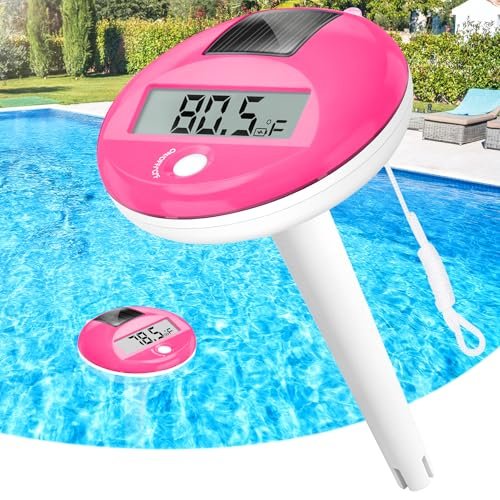 LuxBlue Floating Pool Thermometer, Solar, Large LCD
Easy-read floating thermometer for pool water temperature. View on Amazon →
LuxBlue Floating Pool Thermometer, Solar, Large LCD
Easy-read floating thermometer for pool water temperature. View on Amazon →
 Taylor K-2006C Complete FAS-DPD Pool & Spa Test Kit
The FAS-DPD kit pool pros trust — reads chlorine accurately even at shock/SLAM levels, plus pH, alkalinity, calcium hardness and CYA. View on Amazon →
Taylor K-2006C Complete FAS-DPD Pool & Spa Test Kit
The FAS-DPD kit pool pros trust — reads chlorine accurately even at shock/SLAM levels, plus pH, alkalinity, calcium hardness and CYA. View on Amazon →
Still need help? Ask a Pool & Spa Expert AD
Get a personalized answer from PoolGuy810 — 30 years owning a pool and spa repair company. Describe your issue and get step-by-step help.
Related Pool Guides
Need More Help?
Try our free pool calculators and tools to help diagnose and fix your pool problems.
Browse Pool ToolsSLAM calculator, pH calculator, salt dosing & more