
Do You Need a Pool Heater Bypass? Installation Guide

Is a bypass valve required for proper pool heater installation?
Read full question
Before I connect my new pool heater to the system, it's making this weird whistling sound when water flows through and now I'm wondering if a bypass valve would fix it. The manufacturer's documentation mentions bypass considerations, but I need clarity on whether this is mandatory or optional equipment.
Specifically, I'm concerned about maintaining proper flow rates through the heating unit and having the ability to isolate the heater during routine maintenance procedures. What are the technical requirements and operational benefits of incorporating a bypass valve system into the heater plumbing layout?
Quick Answer
A pool heater bypass is not required and not code-mandated — your heater runs fine without one. But it is a smart, inexpensive add-on: it lets you fine-tune flow, isolate the heater for maintenance or winterizing, and divert water around it during heavy chemical treatment. Especially worth it with a high-RPM variable-speed pump. Good idea, not a requirement.
Step-by-Step Bypass Installation Guide
- Turn off all pool equipment including the pump, heater, and electrical supply at the breaker. Safety is paramount when working with pool plumbing and electrical systems.
- Identify the heater inlet and outlet connections on your pool heater unit. Inlet and outlet locations vary by make and model, so confirm them on the unit's plumbing labels or installation manual before cutting in - reversing them can cause problems.
- Install a three-way valve before the heater inlet. This valve will direct water either into the heater or through the bypass line. Position it close enough to the heater for easy access but with sufficient room for maintenance.
- Install the bypass pipe that connects the three-way valve directly to the heater outlet line. Use the same diameter pipe as your existing plumbing, typically 2-inch PVC for most residential installations.
- Add a flow control valve on the heater inlet line after the three-way valve. This allows you to regulate the flow rate through the heater, which is crucial for proper heat transfer and efficiency.
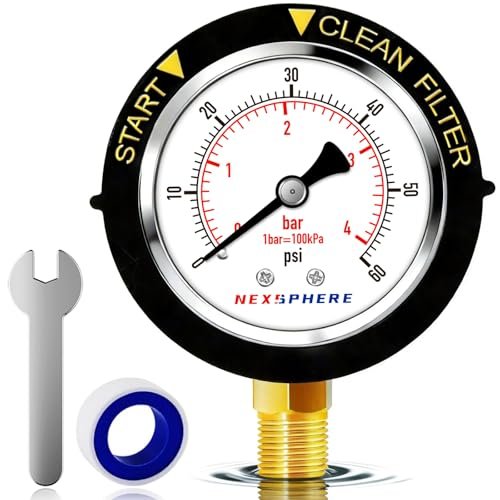
- Install pressure gauges before and after the heater to monitor pressure drop across the heat exchanger. This helps identify when cleaning or maintenance is needed.
- Test the system by turning on the pump and operating each valve position. Ensure water flows properly in both bypass and heating modes without any leaks.
- Adjust flow rates using the flow control valve. Flow rate requirements vary by heater model - gas heaters typically need a minimum of about 25-40 GPM and tolerate a wide flow range (often up to ~120 GPM), while heat pumps are far more flow-sensitive and vary significantly by size. Always consult manufacturer specifications for your specific model.
Why a Bypass Is Worth Having
Flow Control and Efficiency
Pool heaters are designed to operate within specific flow rate ranges. Too much flow prevents proper heat transfer, while too little flow can cause the heater to overheat and shut down on high limit switches. A bypass with flow control valve allows you to dial in the perfect flow rate for your specific heater model.
Maintenance and Winterization
During routine maintenance, chemical cleaning, or winterization, you need to isolate the heater from the circulation system. A bypass allows you to continue running your filtration system while performing heater maintenance. This is especially important when acid washing the heat exchanger or performing seasonal shutdowns.
Equipment Protection
Very high chlorine or low pH right after adding chemicals can be hard on a heater’s copper/cupronickel heat exchanger over time. Normal shock levels in a diluted pool are generally fine, but for a heavy chemical treatment a bypass lets you route water around the heater until things even out — a handy option to have, not a must.
Types of Bypass Configurations
Simple Bypass
Uses a single three-way valve to direct flow either through the heater or around it completely. This is the most basic setup but provides limited flow control options. Pair it with a check valve on the heater outlet (the standard pro setup) to keep water from sitting in or back-flowing through the heater while it's bypassed.
Proportional Bypass
Incorporates multiple valves allowing you to send a portion of water through the heater while bypassing the remainder. This provides excellent flow control and is ideal for larger pools or commercial applications.
Automatic Bypass
Features motorized valves controlled by the heater's control system. When the heater calls for heat, valves automatically position for proper flow. When heating isn't needed, water bypasses the heater completely.
Installation Considerations
Proper Sizing
Bypass plumbing should match your main circulation line diameter. Undersized bypass lines create flow restrictions and reduce system efficiency. Most residential pools use 2-inch plumbing, while larger pools may require 2.5 or 3-inch lines.
Valve Quality
Invest in quality three-way valves designed for pool applications. Jandy and Pentair make excellent options that resist chemical corrosion and provide years of reliable service. Avoid cheap valves that may fail prematurely or create flow restrictions.
Pressure Drop Management
Each valve and fitting in your bypass system creates pressure drop. Minimize unnecessary fittings and use swept elbows instead of sharp 90-degree turns. Monitor total system pressure to ensure adequate flow to all equipment.
Common Bypass Mistakes to Avoid
Skipping isolation valves on a new install. The heater works fine without them, but adding at least shutoff valves (and ideally a bypass) while the plumbing is open is cheap and saves you from cutting pipe later when it’s time to service or winterize. It’s the one upgrade most pros suggest doing up front.
Ball valves work well for flow control in pool applications, though dedicated flow control valves may provide more precise throttling. Use dedicated flow control valves for throttling applications.
Don't forget to install unions or quick-disconnect fittings near the heater. These allow easy removal for major maintenance without cutting plumbing lines.
Testing and Maintenance
Test your bypass system monthly by operating all valves through their full range of motion. This prevents them from seizing due to mineral buildup or lack of use. Clean valve seats annually and lubricate moving parts according to manufacturer recommendations.
Monitor pressure gauges regularly to identify developing flow restrictions. A gradual increase in pressure drop across the heater indicates scale buildup requiring cleaning.

Still need help? Ask a Pool & Spa Expert AD
Get a personalized answer from PoolGuy810 — 30 years owning a pool and spa repair company. Describe your issue and get step-by-step help.
Related Pool Guides
Need More Help?
Try our free pool calculators and tools to help diagnose and fix your pool problems.
Browse Pool ToolsSLAM calculator, pH calculator, salt dosing & more