
How Solar Pool Heaters Work: Diagnosis & Troubleshooting

Can someone explain how solar pool heaters actually work?
Read full question
According to what I spotted this morning, my solar heater panels are just sitting there doing absolutely nothing while every "expert" keeps pushing gas systems instead. They keep pushing these pricey gas heaters and telling me solar is "complicated" - probably because there's less markup for them.
I want to understand the actual process of how solar pool heaters function before I make any decisions. Do they really just use the sun's energy somehow? I'm hoping to find a more cost-effective heating solution and maybe even explore some DIY options instead of getting ripped off again.
Quick Answer
Solar pool heaters work by circulating pool water through dark collectors that absorb solar energy and transfer heat to the water. The heated water returns to your pool through a system of pumps, valves, and controllers.
First, Let's Diagnose How Your Solar Pool Heater Should Work
With summer approaching, this is the #1 issue pool owners run into: their solar heater isn't warming the water, leaving them scrambling to diagnose what went wrong. Solar pool heaters work through a relatively simple but elegant process that harnesses the sun's energy to warm your pool water without adding chemicals or consuming electricity for heating.
The Solar Heating Process Breakdown
Water Circulation Cycle
Your existing pool pump draws water from the pool through the skimmer and main drain. This water first passes through your pool filter to remove debris, then flows to a three-way valve that diverts the water either directly back to the pool or up to the solar collectors on your roof or ground-mounted system.
When the solar controller determines heating is needed (based on temperature sensors), it opens the diverter valve and activates any booster pump if your system includes one. The filtered pool water then travels through supply pipes up to the solar collector array.
Heat Collection and Transfer
Inside the solar collectors, water flows through hundreds of small tubes or channels within dark-colored panels, typically made from polypropylene, EPDM rubber, or copper. These materials absorb solar radiation and transfer the heat directly to the water flowing through them. The dark color is crucial - it can absorb up to 95% of available solar energy.
As water moves through the collectors, it can gain anywhere from 3-8 degrees Fahrenheit depending on sun intensity, ambient temperature, wind conditions, and flow rate. The heated water then flows back down through return pipes to your pool.
System Components and Their Functions
Solar Controller Diagnosis
The brain of your system is the solar controller, which uses temperature sensors to compare pool water temperature with collector temperature. When the collectors are approximately 6-8 degrees warmer than the pool water, the controller signals the system to begin heating. If you're experiencing issues, check that both sensors are clean and properly positioned.
Diverter Valve Operation
The three-way valve directs water flow either to the collectors or directly back to the pool. In automatic systems, this valve is controlled by an actuator connected to the solar controller. Manual systems require you to adjust the valve position yourself. A properly functioning valve should move smoothly and create a watertight seal in both positions.
Collector Array Performance
Your collectors should cover 50-100% of your pool's surface area for optimal performance. In sunny climates, 50-60% coverage often suffices, while northern regions may need 80-100% coverage. Each collector panel should have consistent water flow with no dry spots or uneven heating patterns.
Troubleshooting Common Solar Heater Problems
Insufficient Heating Diagnosis
If your pool isn't reaching desired temperatures, first verify the collector area is adequate for your pool size and climate. Check for proper flow rate - water should move through the collectors fast enough to keep the panels cool relative to their sun-heated surface — counterintuitively, moving a lot of water and heating it just a little per pass produces more total heat than slow flow does. The ideal flow rate is roughly 1/10 gallon per minute per square foot of collector — about 4 GPM for a standard 4'x10' (40 sq ft) panel, or on the order of 8-10 GPM per 100 square feet (check your panel manufacturer's spec; most panels are happy in the 3-8 GPM range).
Examine your collectors for debris, leaves, or calcium buildup that could block water channels. In hard water areas, calcium deposits can significantly reduce heat transfer efficiency. Clean collectors with a mild acid solution if buildup is present.
Flow Rate Issues
Poor circulation often stems from air in the system, particularly after maintenance or if the collectors are mounted high above pool level. Bleed air from the system by opening the air relief valve at the highest point of the collector array. You should see steady water flow without air bubbles.
Check that your pool pump is appropriately sized for the additional head pressure created by pumping water up to rooftop collectors. Some systems require a dedicated booster pump to maintain adequate flow rates.
Controller and Sensor Problems
Solar controllers can malfunction due to sensor issues or electrical problems. Test sensors by measuring their resistance with a multimeter and comparing to manufacturer specifications, as resistance values vary significantly between sensor types and brands. Clean sensor probes of any calcium or biofilm buildup that could affect temperature readings.
Verify the controller is receiving proper voltage and that all connections are tight and corrosion-free. Many controller problems result from loose or corroded connections rather than component failure.
Seasonal Operation and Maintenance
Optimizing Performance
Solar heaters work most effectively when operated continuously during daylight hours rather than intermittently. Set your pool pump to run during peak sun hours (typically 10 AM to 4 PM) to maximize heat gain. The thermal mass of your pool water helps retain heat collected during sunny periods.
In northern climates, drain the collectors completely before freezing weather to prevent damage. Some systems include automatic freeze protection that circulates warm pool water through collectors when temperatures approach freezing.
Performance Expectations
Properly sized and installed solar heaters can raise pool temperature 8-15 degrees above what it would be without heating, extending the swimming season significantly. However, performance varies significantly with weather conditions, pool usage, and system maintenance. Keep realistic expectations - solar heaters extend your swimming season but won't provide the rapid heating of gas heaters.
Monitor your system's performance by tracking daily temperature gain during sunny conditions. A well-functioning system should show measurable temperature increases on clear days with moderate to strong sun exposure.
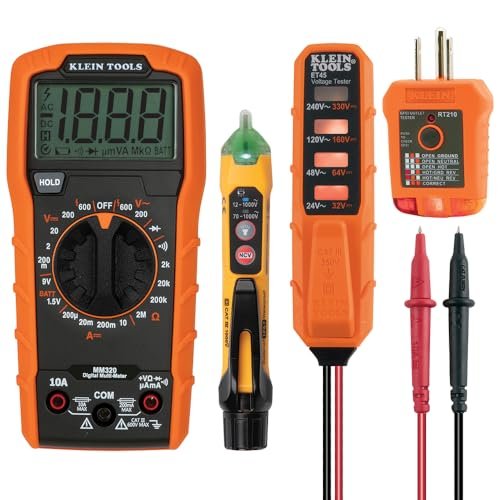 Klein Tools MM320KIT Digital Multimeter Kit
For troubleshooting pump-motor voltage, continuity, and capacitor faults. View on Amazon →
Klein Tools MM320KIT Digital Multimeter Kit
For troubleshooting pump-motor voltage, continuity, and capacitor faults. View on Amazon →
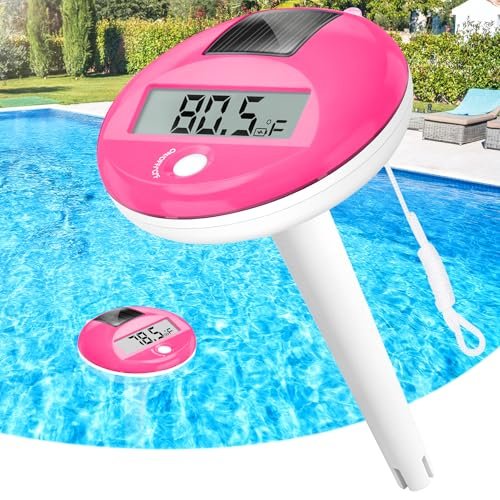 LuxBlue Floating Pool Thermometer, Solar, Large LCD
Easy-read floating thermometer for pool water temperature. View on Amazon →
LuxBlue Floating Pool Thermometer, Solar, Large LCD
Easy-read floating thermometer for pool water temperature. View on Amazon →
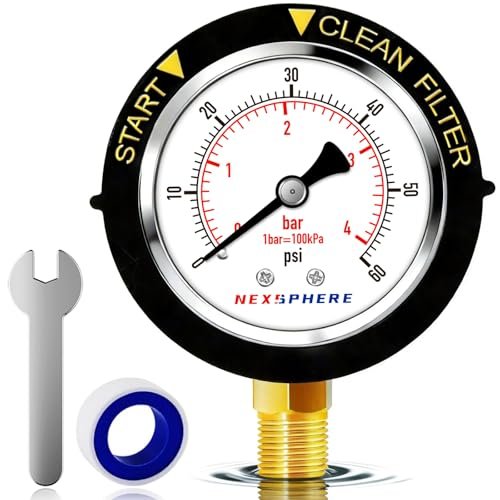 NexSphere Pool Filter Pressure Gauge, 0–60 PSI, 2 in Dial
Replacement back-mount gauge so you can read filter pressure and know when to backwash. View on Amazon →
NexSphere Pool Filter Pressure Gauge, 0–60 PSI, 2 in Dial
Replacement back-mount gauge so you can read filter pressure and know when to backwash. View on Amazon →
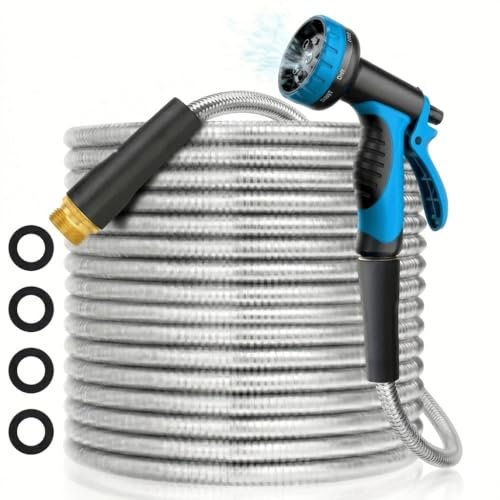 50 ft Flexible Metal Garden Hose (Kink-Free)
Durable hose for filling, priming, and rinsing equipment. View on Amazon →
50 ft Flexible Metal Garden Hose (Kink-Free)
Durable hose for filling, priming, and rinsing equipment. View on Amazon →
Still need help? Ask a Pool & Spa Expert AD
Get a personalized answer from PoolGuy810 — 30 years owning a pool and spa repair company. Describe your issue and get step-by-step help.
Related Pool Guides
Need More Help?
Try our free pool calculators and tools to help diagnose and fix your pool problems.
Browse Pool ToolsSLAM calculator, pH calculator, salt dosing & more