Can You Run Pool Pump With Solar Cover On? Safety Guide
Yes, you can run your pool pump with a solar cover on. The pump will still circulate water effectively underneath the cover, and this is actually recommended for maintaining water quality.
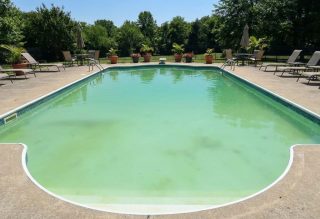
Pool covers are highly effective at preventing algae by blocking sunlight and reducing debris, but they don't eliminate the need for proper chemical balance and filtration.
Above ground pools should typically be at least 10 feet from your house, though local building codes may require 15-25 feet. Check with your local building department for specific setback requirements in your area.
To measure pool length, use a measuring tape from the waterline at one end to the other, measuring the longest straight distance. For irregular pools, measure multiple sections and add them together.
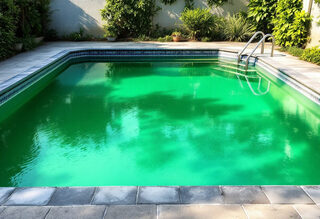
Pool covers don't directly cause algae, but they create ideal conditions for growth by blocking UV rays that normally help chlorine kill algae. Maintain proper chlorine levels and consider removing covers periodically to prevent issues.
You should wait until chlorine levels drop below 5 ppm before covering your pool after shocking. Covering too early can trap high chlorine concentrations and damage your pool cover.
Yes, you absolutely need a pool skimmer - it's essential equipment that removes surface debris and maintains proper water circulation. Skimmers are required by most building codes and without them, your pool would quickly become dirty and potentially unsafe.
Never shock your pool with the solar cover on. Always remove the solar cover before adding any chemicals, allow proper circulation for 1-2 hours, then replace the cover once chemicals are distributed.
Above ground pool liners typically last 5-9 years, with overlap liners lasting 5-7 years and beaded liners lasting 6-9 years. Proper water chemistry, UV protection, and regular maintenance can significantly extend liner life.
Covering a salt water pool is not legally required, but it's highly recommended for reducing chemical loss, preventing debris, and protecting your salt cell. The process involves specific steps for winterization and equipment protection.
Most pool covers cannot be recycled through standard municipal programs due to mixed materials, but specialized recycling centers may accept them. Proper disposal varies by cover type and condition.
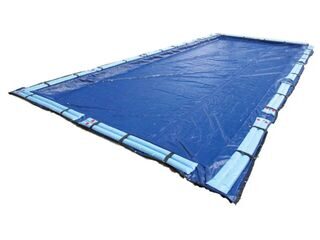
Pool covers are highly recommended for most pool owners as they reduce chemical usage by 60%, cut heating costs by 70%, and prevent debris accumulation. Winter covers are essential for cold climates, while solar covers benefit year-round pool users.
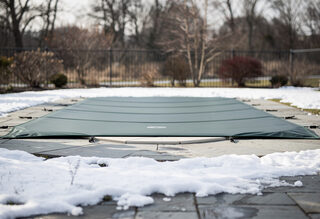
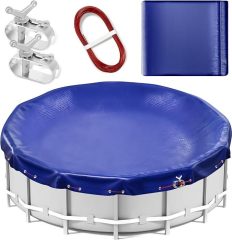
Yes, you should cover your above ground pool, especially during winter months. A proper pool cover protects water quality, reduces chemical usage by 60-80%, and prevents debris accumulation that leads to algae growth.
Pool covers are essential for winter protection in freezing climates and highly beneficial year-round for reducing chemical usage, heating costs, and debris cleanup. The necessity depends on your climate, pool type, and maintenance goals.
Above ground pool liners typically last 5-9 years depending on quality, maintenance, and environmental factors. Premium vinyl liners with proper chemical balance and UV protection can reach the upper end of this range.