
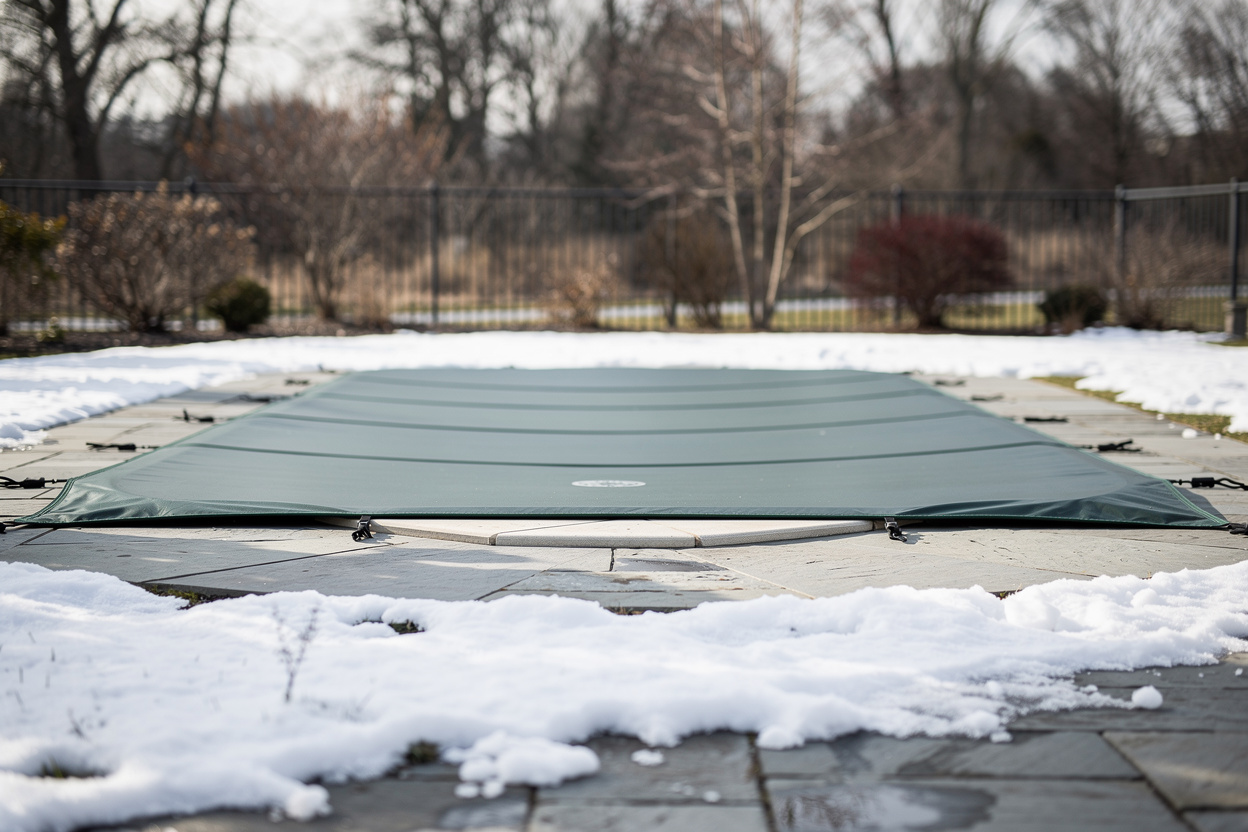
Do I Need a Pool Cover? Winter Protection Requirements

Pool cover necessity - winter protection and year-round benefits?
Read full question
Despite watching three neighbors deal with expensive freeze damage to their pools last winter, I'm still on the fence about whether my 20,000 gallon inground pool actually needs a cover. We live in a climate where temperatures drop below freezing for about 3-4 months of the year, and I currently spend a fortune on heating costs during shoulder seasons plus constantly dealing with leaves and debris that require daily skimming.
I've been going back and forth on this decision because of the upfront cost, but I'm curious about the long-term benefits. My current chemical usage seems excessive - I'm adding chlorine tablets twice weekly and shock treatment every 10 days just to maintain proper levels around 2-3 ppm. The constant debris also means my filtration system works overtime.
For those with experience, how much difference does a pool cover actually make in terms of chemical reduction, heating efficiency, and overall maintenance? Is it truly essential for winter protection in freezing climates, or more of a nice-to-have convenience feature?
Quick Answer
A pool cover helps over winter and is beneficial year-round — reducing chemical usage, heating costs, and debris cleanup — but in freezing climates it's proper winterizing (lowering the water, blowing out and plugging the lines) that prevents freeze damage to plumbing and equipment; the cover then protects the surface and keeps debris out. The necessity depends on your climate, pool type, and maintenance goals.
First, Let's Diagnose Your Pool Cover Needs
First thing to check: your local winter temperatures and how often they drop below freezing — nine times out of ten, that's what determines if you absolutely need a pool cover. Let's work through the diagnostic process to identify your specific requirements and choose the right solution for your situation.
Climate Assessment
Your geographic location is the primary factor in determining pool cover necessity:
- Freezing climates (Zone 6 and below): Proper winterization (draining and blowing out the lines, lowering the water level, or keeping the pump running during freezes) is what prevents freeze damage to equipment and plumbing; a winter or safety cover then protects the surface and keeps debris out
- Mild winter areas (Zone 7-8): Covers provide significant benefits but aren't strictly required for freeze protection
- Warm climates (Zone 9-11): Covers offer energy and chemical savings but aren't needed for winter protection
Pool Usage Pattern Analysis
Consider how you use your pool throughout the year:
- Seasonal pools (closed 3+ months): Definitely need winter covers
- Year-round pools with reduced winter use: Solar or thermal covers beneficial
- Constant year-round use: Safety covers for protection when unattended
Cover Type Solutions Based on Your Needs
Winter/Safety Covers (Essential for Cold Climates)
If you're in a freezing climate or close your pool seasonally, a winter safety cover is non-negotiable. These covers:
- Support a minimum static load of at least 485 pounds (ASTM F1346 standard)
- Prevent accidental drowning with solid barrier protection
- Block 100% of sunlight, preventing algae growth during closure
- Keep debris out, dramatically reducing spring opening workload
- Protect pool surface from freeze-thaw damage
Installation requirements: Professional installation recommended with brass anchors drilled into concrete decking at spacing determined by pool shape and manufacturer specifications.
Solar Covers (Energy Efficiency Solution)
For pools used primarily in warmer months or heated pools needing energy savings:
- Raise water temperature 10-15°F through solar heat gain
- Reduce heating costs by 50-70% when used consistently
- Cut chlorine consumption by 35-60% by blocking UV rays that break down FCFree Chlorine — The chlorine actively sanitizing your water right now. This is the number you keep an eye on. how much you need → (free chlorine)
- Reduce water evaporation by 95%, saving hundreds of gallons weekly
Chemical impact: With reduced chlorine loss, you'll need to monitor FC levels more closely. Continue daily testing when cover is in use, though chlorine demand drops significantly.
Automatic Covers (Convenience Solution)
For frequent pool users wanting maximum convenience and safety:
- Deploy with push-button operation in under 60 seconds
- Provide ASTM safety compliance when fully closed
- Offer thermal efficiency similar to solar covers
- Eliminate manual cover handling and storage
Troubleshooting Common Cover Concerns
Covers Are Too Much Work
If manual cover handling seems overwhelming:
- Consider a cover reel system for solar covers (reduces deployment time to 2-3 minutes)
- Invest in an automatic cover system for ultimate convenience
- Use a leaf net over safety covers to simplify debris removal
My Pool Chemicals Get Imbalanced
Cover-related chemical issues are easily managed:
- Test water before covering - ensure FC is at appropriate level for your CYACyanuric Acid (stabilizer) — Sunscreen for your chlorine — it keeps sunlight from burning it off. The catch: the more you have, the more chlorine you need to keep. learn more → (follow the all-in-one pool calculator)
- For long-term coverage: maintain FC at the target range for your CYA level (use the all-in-one pool calculator for an estimate of the free chlorine for your CYA)
- Keep cover in place throughout winter closure for maximum protection
- Brush pool walls before covering to prevent algae attachment points
I'm Not Sure About Installation
Professional installation ensures optimal performance:
- Safety covers require precise measurements and anchor placement
- Automatic covers need electrical and plumbing connections
- Solar covers can be DIY with proper measuring and trimming
- Get quotes from certified installers for comparison
Cost-Benefit Analysis
Financial Benefits
Pool covers typically pay for themselves within 1-3 seasons through:
- Reduced heating costs: $300-800 annually for heated pools
- Chemical savings: $200-400 annually in reduced chlorine and other sanitizers
- Water conservation: $150-300 annually depending on local water rates
- Reduced spring opening costs: $100-300 saved on shock treatments and cleaning
Maintenance Benefits
Beyond cost savings, covers provide:
- 90% reduction in debris cleanup time
- Elimination of winter algae blooms in covered pools
- Extended equipment life through reduced runtime
- Consistent water chemistry with less frequent adjustments
Making Your Decision
You definitely need a pool cover if you experience freezing temperatures, close your pool seasonally, or want to maximize energy efficiency. You should strongly consider a cover if you're spending more than $200 monthly on pool heating or chemicals, or if debris cleanup consumes significant time weekly.
Start with a quality winter safety cover if you're in a seasonal climate, or a solar cover if energy savings are your primary goal. Both options provide excellent return on investment and dramatically improve your pool ownership experience.
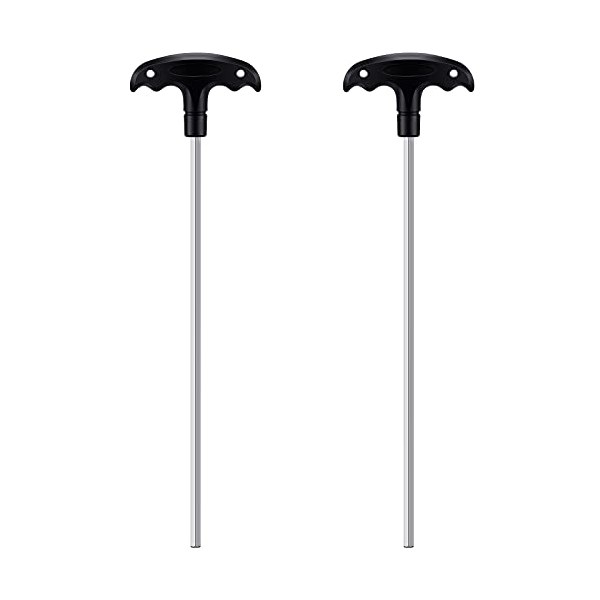 Pool Safety Cover Hex Key Tool (2-Pack)
Hex keys to install or remove a pool safety cover. View on Amazon →
Pool Safety Cover Hex Key Tool (2-Pack)
Hex keys to install or remove a pool safety cover. View on Amazon →
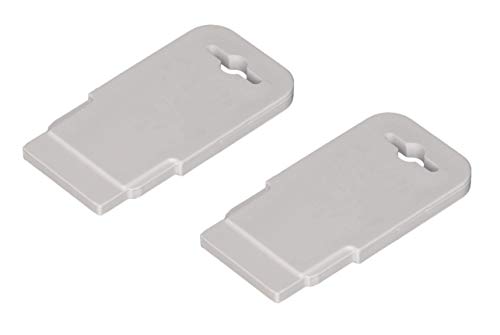 Pool Eyeball / Return Jet Fitting Removal Tool (ATIE)
Pops out & reseats Hayward SP1419 return-jet eyeballs — handy for closing. View on Amazon →
Pool Eyeball / Return Jet Fitting Removal Tool (ATIE)
Pops out & reseats Hayward SP1419 return-jet eyeballs — handy for closing. View on Amazon →
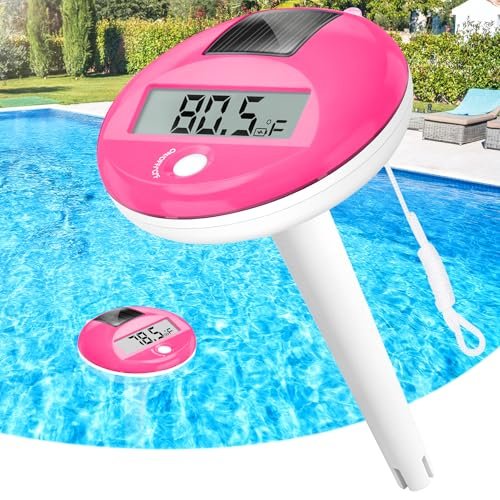 LuxBlue Floating Pool Thermometer, Solar, Large LCD
Easy-read floating thermometer for pool water temperature. View on Amazon →
LuxBlue Floating Pool Thermometer, Solar, Large LCD
Easy-read floating thermometer for pool water temperature. View on Amazon →
Still need help? Ask a Pool & Spa Expert AD
Get a personalized answer from PoolGuy810 — 30 years owning a pool and spa repair company. Describe your issue and get step-by-step help.
Related Pool Guides
Need More Help?
Try our free pool calculators and tools to help diagnose and fix your pool problems.
Browse Pool ToolsSLAM calculator, pH calculator, salt dosing & more