
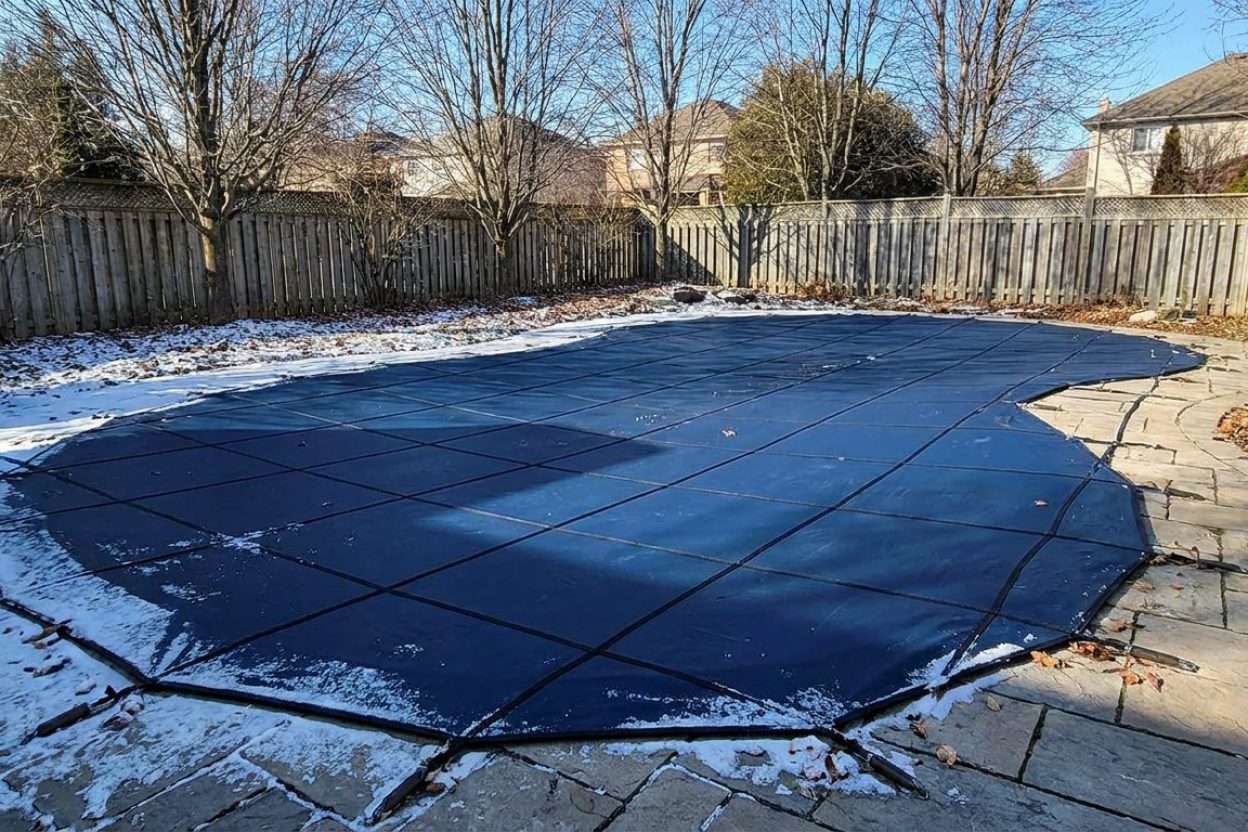
How Long Do Mesh Pool Covers Last? Complete Lifespan Guide

How long should I expect my mesh pool cover to last?
Read full question
Pulled back my mesh pool cover this morning and noticed some wear patterns that definitely weren't there last season, making me wonder exactly how long these things are supposed to last.
What's the typical lifespan I should expect from a quality mesh cover? I've heard some last much longer than others, and I'm wondering if spending more upfront on better materials is worth it. I want something reliable that won't fail when we need it most.
Quick Answer
Mesh pool covers typically last 10–15 years with proper care and maintenance, with premium UV-resistant models often lasting 15-20 years, backed by 15- to 20-year manufacturer warranties (up to 30 years on heavy-duty/commercial mesh).
Expected Lifespan of Mesh Pool Covers
Your mesh pool cover will either give you a solid decade of protection or start falling apart in just a few years — here's how to predict which fate awaits yours. Premium mesh covers with superior materials and construction can extend beyond 15 years, while budget options may only last 5-10 years.
The longevity of your mesh cover depends on several critical factors that directly impact the material integrity and structural components over time.
Factors That Affect Mesh Cover Durability
Material Quality and Construction
The fabric composition plays the most significant role in determining lifespan. High-quality mesh covers use UV-resistant polypropylene or polyethylene with added stabilizers that prevent degradation from constant sun exposure. Premium covers feature:
- Double-stitched seams with marine-grade thread
- Reinforced stress points at anchor locations
- UV inhibitors integrated into the fabric weave
- Higher weight fabric (typically measured in denier or mesh count for mesh covers)
Environmental Conditions
Climate significantly impacts cover longevity. Harsh conditions that accelerate wear include:
- Intense UV exposure: Southern climates with year-round sun exposure can reduce lifespan by 2-3 years
- Extreme temperature fluctuations: Freeze-thaw cycles stress fabric fibers and stitching
- High winds: Constant buffeting weakens anchor points and fabric
- Heavy debris loads: Areas with significant leaf fall or frequent storms
Installation Quality
Proper installation directly affects longevity. Key installation factors include:
- Correct tension - too tight causes premature stress, too loose allows excessive movement
- Adequate drainage slope to prevent water pooling
- Properly spaced and secured anchor points
- Appropriate cover size with minimal overhang
Maintenance Practices That Extend Lifespan
Regular Cleaning and Debris Removal
Consistent maintenance significantly extends cover life. Remove debris weekly during fall months and monthly otherwise. Use a soft brush or leaf blower rather than rakes that can snag the mesh. For stubborn stains, use mild soap and water - avoid harsh chemicals that degrade the fabric.
Proper Water Level Management
Maintain pool water level 4-6 inches below the skimmer opening (typically 4-8 inches below the coping/tile line). Mesh lets water drain through, so the key is keeping the water level high enough to help support snow and ice loads on the cover — letting it drop too low removes that support and can void some warranties.
Tension Adjustments
Check and adjust cover tension seasonally. Springs should be compressed according to manufacturer specifications - not fully compressed or barely engaged. Replace worn springs immediately as they cause uneven stress distribution.
Annual Inspections
Conduct thorough inspections each fall before installation, checking for:
- Fraying or worn areas along edges
- Loose or damaged stitching
- Cracked or missing grommets
- Stretched or broken springs
- Anchor point integrity
Warning Signs Your Mesh Cover Needs Replacement
Structural Issues
Critical replacement indicators include:
- Multiple tears or holes larger than a quarter
- Extensive fraying along edges or seams
- Sagging in multiple areas despite proper tension
- Separated seams that cannot be repaired
Hardware Deterioration
Replace covers when hardware components repeatedly fail, including:
- Grommets pulling out of fabric
- Spring attachment points tearing
- Straps separating from cover body
Maximizing Your Investment
Quality Indicators for Long-Lasting Covers
When purchasing a replacement, look for these durability features:
- Up to 15-20 year manufacturer warranties (30 years on commercial/heavy-duty mesh)
- Reinforced edges with double-fold construction
- Stainless steel grommets and hardware
- Tightly woven mesh (smaller openings prevent larger debris passage)
Professional vs DIY Installation
Professional installation typically adds 2-3 years to cover lifespan through proper fitting, tension adjustment, and anchor placement. The additional cost is often recovered through extended cover life and reduced maintenance issues.
Cost-Benefit Analysis
Quality mesh covers ranging from around $1,200 to $3,000 or more provide excellent value when lasting 12-15 years. This equates to roughly $80-250 annually for winter protection that prevents costly pool damage, reduces spring opening chemicals and labor, and maintains water quality during off-season months.
Budget covers under $1,200 may seem attractive but often require replacement every 5-8 years and provide less effective protection, making premium options more economical long-term.
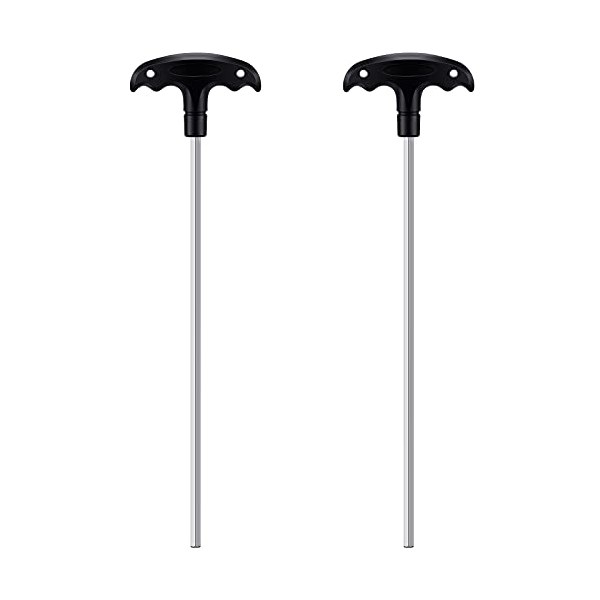 Pool Safety Cover Hex Key Tool (2-Pack)
Hex keys to install or remove a pool safety cover. View on Amazon →
Pool Safety Cover Hex Key Tool (2-Pack)
Hex keys to install or remove a pool safety cover. View on Amazon →
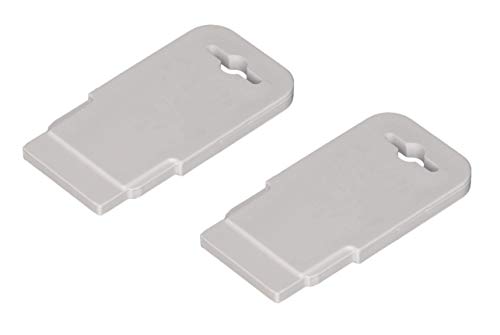 Pool Eyeball / Return Jet Fitting Removal Tool (ATIE)
Pops out & reseats Hayward SP1419 return-jet eyeballs — handy for closing. View on Amazon →
Pool Eyeball / Return Jet Fitting Removal Tool (ATIE)
Pops out & reseats Hayward SP1419 return-jet eyeballs — handy for closing. View on Amazon →
Still need help? Ask a Pool & Spa Expert AD
Get a personalized answer from PoolGuy810 — 30 years owning a pool and spa repair company. Describe your issue and get step-by-step help.
Related Pool Guides
Need More Help?
Try our free pool calculators and tools to help diagnose and fix your pool problems.
Browse Pool ToolsSLAM calculator, pH calculator, salt dosing & more