
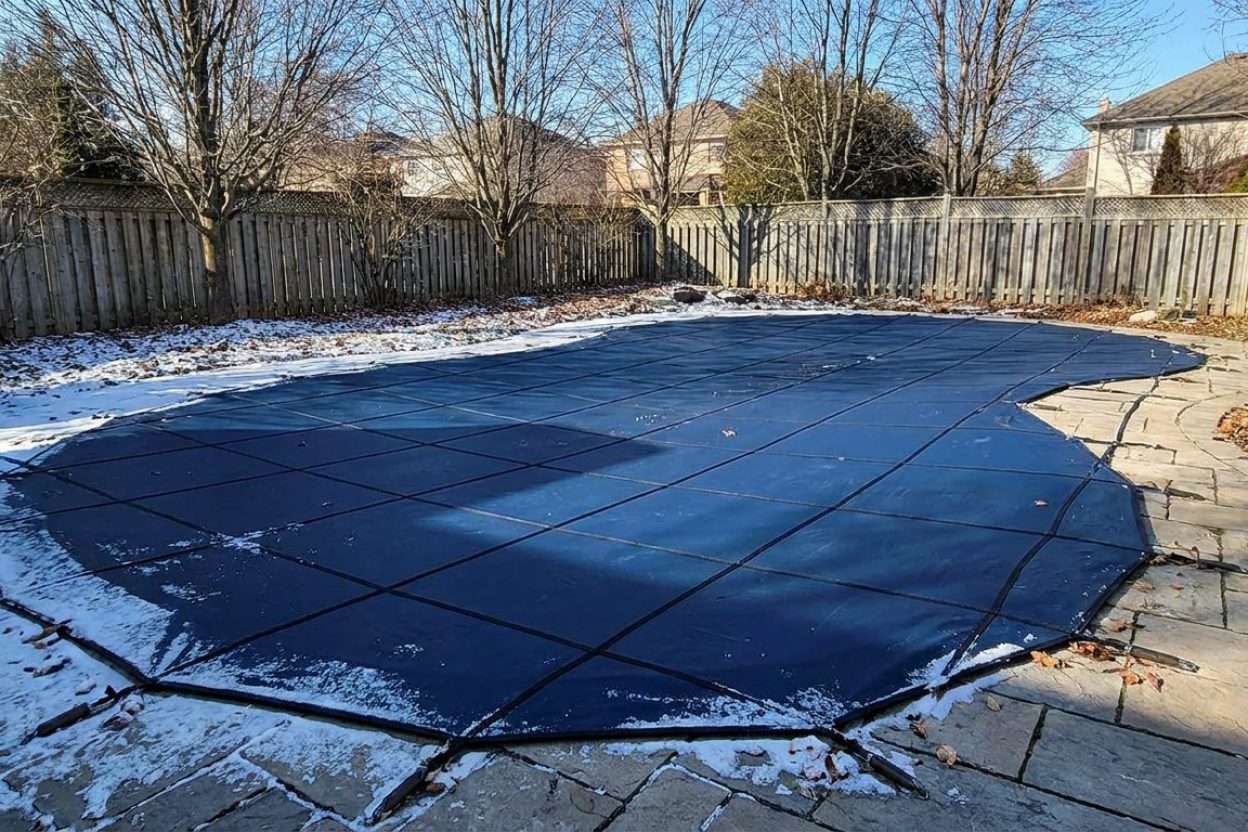
Should I Cover My Pool Heater in Winter? Complete Guide

Winter pool heater protection - cover needed for all types?
Read full question
Our new house came with a Pentair heat pump that the previous owner left completely exposed to the elements with zero winter protection. I have a Pentair heat pump that I've been using throughout the swimming season, and I'm wondering about proper winterization procedures.
I've heard conflicting advice about whether pool heaters need to be covered during the off-season. Some neighbors with gas heaters say they just shut them down and leave them exposed, while others insist that all heaters should be covered regardless of type. My heat pump manufacturer's manual mentions winterization but isn't super clear about covering requirements.
Given our climate with snow, ice, and temperatures that can drop below freezing for extended periods, what's the best practice for protecting different types of pool heaters? Does it matter if it's a heat pump versus a gas heater, and are there specific covers or protection methods that work best for harsh winter conditions?
Quick Answer
The single most important winter step — especially for a heat pump in a freezing climate — is fully draining the water-side heat exchanger and plumbing, since that's what actually prevents freeze damage. A breathable, well-ventilated cover is optional and helpful for keeping out snow, ice, and debris, but covers are debated and should never fully seal the unit (that traps moisture and invites pests and corrosion). Gas heaters generally need the least covering.
Step-by-Step Winter Heater Protection Process
- Determine your heater type and winterization needs: Gas heaters are most weather-resistant but still benefit from covers. Heat pumps are most vulnerable to freezing and require comprehensive protection. Electric resistance heaters need moderate protection from moisture and debris.
- Complete proper heater shutdown procedures: Turn off power at the breaker for electric and heat pump units. For gas heaters, turn off the gas supply valve and pilot light. Follow manufacturer instructions for the proper valve closure sequence. Do not attempt to purge or work on the gas supply line yourself — contact a licensed gas professional if you suspect line issues. If you've disconnected or worked on gas connections, check for gas leaks using soapy water solution on all connections. Drain all water from internal components and condensate lines following manufacturer instructions — this draining is the step that actually prevents freeze damage.
- Inspect the heater unit thoroughly: Check for any existing damage, loose connections, or signs of wear. Clean debris from around the unit, including leaves, dirt, and spider webs. For heat pumps, ensure the fan area is completely clear, coils are clean, and heat exchanger fins are cleaned and inspected.
- Install appropriate winter protection: For heat pumps, use a purpose-built heat pump winter cover that protects the top and sides while allowing bottom ventilation. Gas heaters need covers that protect the control panel and gas connections while allowing proper ventilation. Electric heaters should be covered with waterproof covers that protect electrical components.
- Secure the cover properly: Use manufacturer-provided tie-downs, bungee cords, or straps to secure covers against wind. Ensure covers are tight enough to stay in place but not so tight they damage the unit. Check that all electrical components and control panels are completely protected from moisture.
- Create proper drainage and ventilation: Position covers to shed water away from the unit. Ensure some ventilation remains to prevent condensation buildup inside the cover. Never block the vents or air intakes of a gas heater — operating it with vents blocked can cause carbon monoxide buildup or combustion problems, so any cover must still allow airflow through the vent openings.
- Add additional weather protection if needed: In extreme climates, consider temporary windbreaks or additional insulation around the unit. For heat pumps in very harsh climates, confirm your model's freeze-protection and draining procedure with the manufacturer or a qualified technician. Apply rust prevention spray to exposed metal components before covering.
- Perform monthly winter inspections: Check that covers remain secure and properly positioned. Look for any signs of moisture accumulation under covers. Remove snow or ice buildup that could damage the unit or cover. Inspect for pest intrusion and remove any nesting materials.
Heater-Specific Winter Protection Requirements
Gas Heater Protection
Gas heaters are generally the most winter-hardy but still benefit from protection. Focus on covering the control panel, gas connections, and heat exchanger. Use covers designed for gas appliances that maintain proper ventilation. Never block vents or air intake areas. The pilot light area should remain accessible if you plan to use the heater during winter.
Heat Pump Winter Care
Heat pumps require the most comprehensive winter protection as they have sensitive electronic components, refrigerant lines, and a water-side heat exchanger that must be fully drained to prevent freeze damage. Use heavy-duty covers specifically designed for heat pump units. In regions with consistently harsh winter conditions, consult manufacturer specifications for your specific model's operating limits and professional winterization recommendations. Some manufacturers void warranties if proper winter protection isn't maintained.
Electric Heater Considerations
Electric resistance heaters need protection from moisture and debris but don't require the same level of care as heat pumps. Focus on protecting electrical connections and heating elements. Ensure all power is disconnected at the breaker before installing covers. Use covers with good moisture barriers but adequate ventilation.
Climate-Specific Protection Strategies
In mild winter climates (rarely below freezing), basic covers protecting control panels and preventing debris accumulation may suffice. Moderate winter areas (20-40°F range) require more comprehensive covering including protection of all external components. Harsh winter climates (below 20°F) require thorough draining of the heat exchanger and plumbing; the entire unit may be brought indoors after draining for some small above-ground heat pumps, but it should otherwise be left in place.
Common Winter Protection Mistakes
Avoid these critical errors: Never use plastic tarps or non-breathable covers that trap moisture. Don't completely seal gas heaters as this creates safety hazards. Avoid covering operational heaters that you're still using. Don't forget to disconnect power before installation. Never ignore manufacturer-specific winterization requirements as this may void warranties.
Spring Startup Preparation
When removing winter covers in spring, inspect all components thoroughly before startup. Check for any winter damage, pest intrusion, or component deterioration. Clean any accumulated debris and test all connections. Follow proper startup procedures including pilot light relighting for gas units and electrical connection verification for electric models.
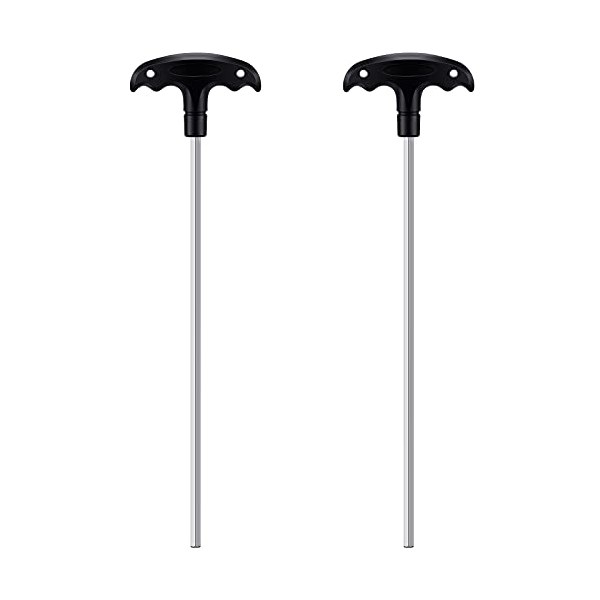 Pool Safety Cover Hex Key Tool (2-Pack)
Hex keys to install or remove a pool safety cover. View on Amazon →
Pool Safety Cover Hex Key Tool (2-Pack)
Hex keys to install or remove a pool safety cover. View on Amazon →
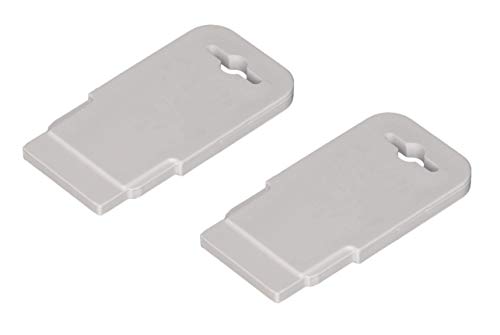 Pool Eyeball / Return Jet Fitting Removal Tool (ATIE)
Pops out & reseats Hayward SP1419 return-jet eyeballs — handy for closing. View on Amazon →
Pool Eyeball / Return Jet Fitting Removal Tool (ATIE)
Pops out & reseats Hayward SP1419 return-jet eyeballs — handy for closing. View on Amazon →
Still need help? Ask a Pool & Spa Expert AD
Get a personalized answer from PoolGuy810 — 30 years owning a pool and spa repair company. Describe your issue and get step-by-step help.
Related Pool Guides
Need More Help?
Try our free pool calculators and tools to help diagnose and fix your pool problems.
Browse Pool ToolsSLAM calculator, pH calculator, salt dosing & more