
Do I Need to Winterize My Pool? Complete Regional Guide 2026

Should I winterize my 20,000 gallon pool based on my location?
Read full question
My 20,000 gallon inground pool looked fine yesterday, but walked out this morning and spotted ice crystals forming around the edges that definitely weren't there last night. I live in central Pennsylvania where we definitely get freezing temperatures, but I'm trying to figure out the right strategy.
I've been maintaining my pool chemistry pretty well - chlorine stays around 2-3 ppm, pH is balanced at 7.4, and alkalinity is good at 100 ppm. The pool has been crystal clear all season. But now that October is here and nighttime temps are starting to drop into the 40s, I'm wondering what level of winterization is actually necessary for my climate zone.
Do I need to drain the pool, blow out all the lines, and do the full winterization process? Or are there different approaches depending on how cold it gets in my area? I want to make sure I protect my equipment and plumbing from freeze damage, but I also don't want to do more work than necessary if my climate doesn't require it.
Quick Answer
Whether you need to winterize your pool depends on your climate zone. Areas with freezing temperatures require full winterization, while warmer regions need only reduced maintenance and chemical adjustments. Full winterization includes balancing water chemistry, draining equipment, and adding antifreeze. Partial winterization involves reducing pump run time and chemical levels. Skipping winterization can lead to costly repairs and maintenance issues.
Climate Zone Assessment
Full Winterization Required
You need complete winterization if you live in areas where:
- Temperatures regularly drop below 32°F (freezing)
- Ground frost occurs multiple times per season
- Ice formation is common on outdoor surfaces
- Pool equipment could freeze and crack
This includes most of the northern United States, Canada, and higher elevation areas in typically warm states.
Partial Winterization Needed
You need modified winterization procedures if:
- Temperatures drop to 40-65°F regularly but rarely freeze
- You experience occasional frost but not sustained freezing
- Pool usage drops significantly in winter months
This applies to areas like northern California, southern Texas, parts of Arizona, and the Pacific Northwest.
Year-Round Maintenance
No traditional winterization needed in areas where:
- Temperatures rarely drop below 65°F
- Freezing never occurs
- Pool usage continues year-round
This includes southern Florida, Hawaii, southern California, and parts of southern Texas and Arizona.
Full Winterization Process
If you're in a freezing climate, follow this comprehensive winterization process:
Water Chemistry Balance (1-2 weeks before closing)
Balance your water chemistry to prevent damage during the closed season:
- pH: Adjust to 7.4-7.6 using muriatic acid or sodium carbonate
- Total Alkalinity: Target 80-120 ppm (add sodium bicarbonate if low)
- Calcium Hardness: Maintain 250-350 ppm to prevent plaster etching
- Free Chlorine: Shock to about 40% of your CYACyanuric Acid (stabilizer) — Sunscreen for your chlorine — it keeps sunlight from burning it off. The catch: the more you have, the more chlorine you need to keep. learn more → (commonly 12-20 ppm) using liquid chlorine before covering (dosage depends on current chlorine level and product concentration - follow manufacturer specifications)
Equipment Winterization
- Lower Water Level: Drain water 4-6 inches below skimmer opening or to manufacturer specifications
- Drain All Equipment: Remove all water from pump, filter, heater, chlorinator, and all plumbing lines
- Blow Out Lines: Use a shop vacuum or compressor to force remaining water from return lines, skimmer lines, and main drains
- Add Antifreeze: Use only pool-grade propylene glycol antifreeze in lines that can't be completely drained
- Remove Accessories: Take out ladders, diving boards, pool cleaners, and store indoors
Final Protection Steps
- Add Winter Chemicals: Add algaecide (follow manufacturer label directions as dosage varies by algaecide type and concentration) and winterizing chemical kit
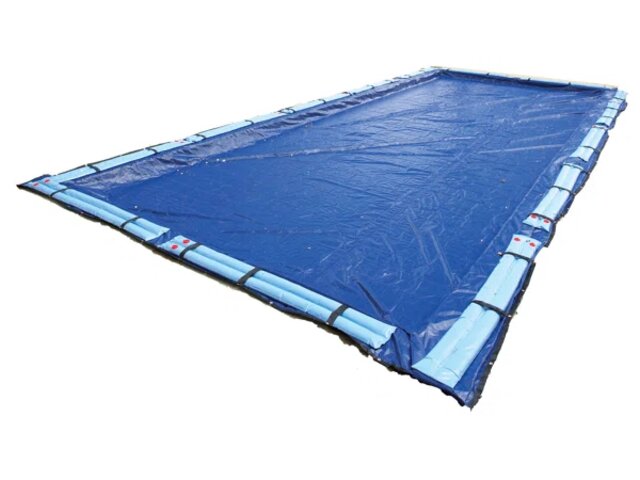
- Install Winter Cover: Use a solid safety cover or heavy-duty winter cover secured properly
- Store Equipment: Clean and store removable equipment in a dry, temperature-controlled area
Partial Winterization for Mild Climates
If you're in a mild climate zone, you can reduce maintenance while keeping your pool operational:
Reduced Circulation
Run your pump only 4-6 hours daily instead of the typical 8-12 hours. Monitor water clarity and adjust as needed.
Lower Chemical Levels
Reduce chlorine levels to 4-6 ppm since algae growth slows in cooler water. Maintain pH at 7.4-7.6 and test weekly instead of daily.
Equipment Protection
For occasional freezing nights:
- Run pump continuously when temperatures drop below 35°F
- Consider a freeze protection system that automatically starts equipment
- A solar cover slows heat loss but will NOT protect equipment from freezing — keep water moving through the pump and plumbing (or fully winterize the lines) to prevent freeze damage
- Remove or drain water features that could freeze
Free Winterization Tools
Use our free checklists and calculators for winterizing:
Regional Considerations
Desert Southwest
Even in Phoenix or Las Vegas, you may need minimal winterization. Reduce pump run time, lower chemical levels, and prepare for occasional freezing nights.
Pacific Coast
Coastal California and Oregon pools need protection from winter rains and temperature swings. Focus on maintaining water balance and preventing algae growth in reduced sunlight.
Transition Zones
Areas like Virginia, North Carolina, or northern Texas may experience unpredictable weather. Have a plan for emergency winterization if unexpected hard freezes occur.
Cost of Skipping Winterization
Failing to winterize when needed can result in:
- Equipment damage: Frozen pumps, filters, and heaters can cost $500-3000 to replace
- Plumbing repairs: Burst pipes in pool plumbing systems can cost $1000-5000 to repair
- Surface damage: Ice expansion can crack pool walls, requiring expensive resurfacing
- Spring cleanup costs: Severe algae blooms and water quality issues can cost $300-800 to resolve
Free Winterization Tools
Use our free checklists and calculators for winterizing:
When to Start Winterization
Begin winterization when:
- Water temperature stays consistently below 60–65°F (the point at which algae growth effectively stops)
- Pool usage has stopped for the season
- First frost warning is issued for your area
- Swimming season officially ends (typically October-November in northern climates)
Safety Warning: Never add chemicals to a covered pool or in windy conditions. Always add chemicals in the evening and circulate for at least 8 hours before covering.
For the full breakdown of safe chlorine levels by CYA level, see our pool water chemistry guide.
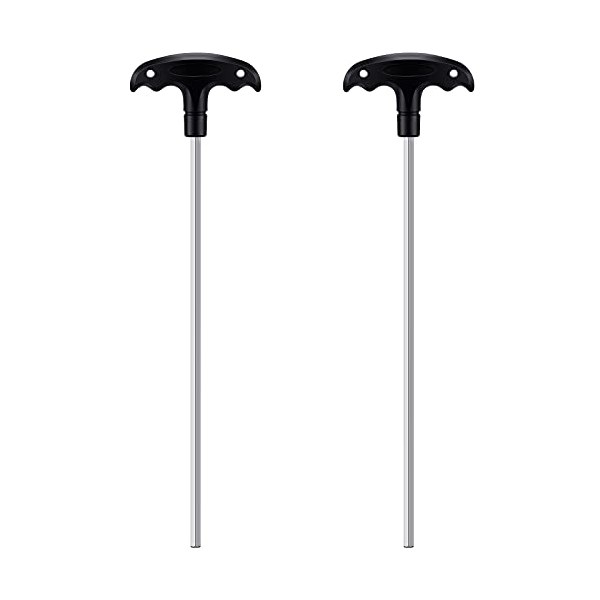 Pool Safety Cover Hex Key Tool (2-Pack)
Hex keys to install or remove a pool safety cover. View on Amazon →
Pool Safety Cover Hex Key Tool (2-Pack)
Hex keys to install or remove a pool safety cover. View on Amazon →
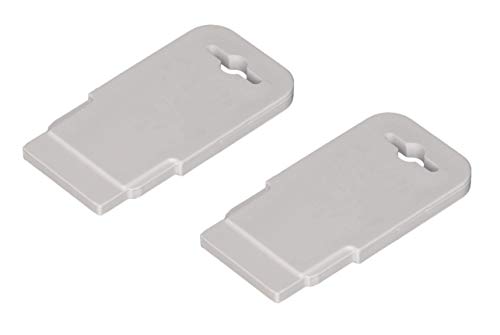 Pool Eyeball / Return Jet Fitting Removal Tool (ATIE)
Pops out & reseats Hayward SP1419 return-jet eyeballs — handy for closing. View on Amazon →
Pool Eyeball / Return Jet Fitting Removal Tool (ATIE)
Pops out & reseats Hayward SP1419 return-jet eyeballs — handy for closing. View on Amazon →
 Taylor K-2006C Complete FAS-DPD Pool & Spa Test Kit
The FAS-DPD kit pool pros trust — reads chlorine accurately even at shock/SLAM levels, plus pH, alkalinity, calcium hardness and CYA. View on Amazon →
Taylor K-2006C Complete FAS-DPD Pool & Spa Test Kit
The FAS-DPD kit pool pros trust — reads chlorine accurately even at shock/SLAM levels, plus pH, alkalinity, calcium hardness and CYA. View on Amazon →
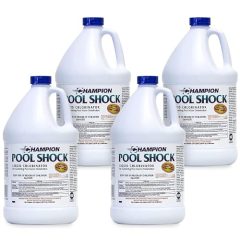 Liquid Chlorine / Sodium Hypochlorite (12.5%)
Everyday sanitizer — the B in BBB View on Amazon →
Liquid Chlorine / Sodium Hypochlorite (12.5%)
Everyday sanitizer — the B in BBB View on Amazon →
Still need help? Ask a Pool & Spa Expert AD
Get a personalized answer from PoolGuy810 — 30 years owning a pool and spa repair company. Describe your issue and get step-by-step help.
Related Pool Guides
Need More Help?
Try our free pool calculators and tools to help diagnose and fix your pool problems.
Browse Pool ToolsSLAM calculator, pH calculator, salt dosing & more