
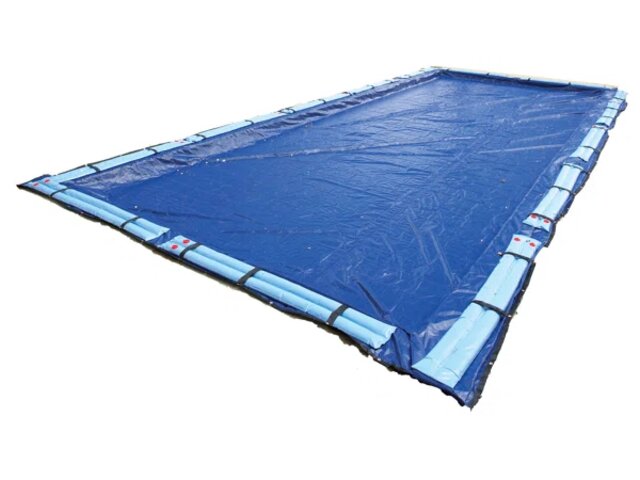
Do I Need a Pool Winterizing Kit? Complete Decision Guide

Should I buy a winterizing kit or individual chemicals for safety?
Read full question
Already standing in the pool supply store aisle staring at rows of winterizing kits with no clue which one I actually need to keep my water safe for next season. I've been looking at those all-in-one winterizing kits at the pool store, but I'm wondering if they're actually the best option or if I should be buying the chemicals separately.
My main concern is making sure the water quality stays good throughout the winter months. Are the pre-packaged kits reliable enough, or would I have better control over water safety by purchasing individual winterizing chemicals? I want to do whatever gives me the most peace of mind that the pool will be ready and safe for the family come spring.
Quick Answer
Whether you need a winterizing kit depends on your climate and pool type. Kits are convenient but you can buy individual chemicals separately for better value and quality control. Essential winterizing chemicals include chlorine shock, algaecide, metal sequestrant, and pH/alkalinity adjusters. Use our all-in-one pool calculator to get the right FC target for your CYA.
Step-by-Step Decision Process
- Assess Your Climate Zone
If you live where temperatures approach freezing (around 32°F), you need to winterize; 60°F is well above any freeze risk and isn't the trigger. Hard freeze areas (below 32°F) require more comprehensive chemical treatment than mild winter regions. - Calculate Your Pool Volume
Measure length × width × average depth × 7.48 for rectangular pools. Most winterizing kits are sized for 10,000-20,000 gallon pools. If your pool is significantly larger or smaller, individual chemicals allow better dosing control. - Evaluate Kit Contents vs. Individual Chemicals
Typical winterizing kits contain:- Winterizing algaecide (usually 10-15% strength)
- Pool shock/oxidizer
- Stain and scale preventer
- Sometimes pH increaser or decreaser
- Check Chemical Quality and Concentration
Many kit algaecides are lower concentration (10-15%) compared to premium 60% polyquat algaecides (the 60% figure refers to polyquat, not copper). Kit shock is often calcium hypochlorite rather than liquid chlorine, which can raise calcium hardness unnecessarily. - Consider Your Existing Chemical Inventory
If you already have liquid chlorine, muriatic acid, and a Taylor test kit, you may only need to purchase algaecide and a metal sequestrant rather than a complete kit.
When Winterizing Kits Make Sense
First-Time Pool Owners
Kits provide peace of mind with pre-measured chemicals and detailed instructions. The convenience factor outweighs potential cost savings when you're learning the winterizing process.
Small to Medium Pools
For pools under 15,000 gallons, kit dosages typically align well with actual needs. The chemical ratios work effectively without significant waste or under-dosing.
Mild Winter Climates
In areas where pools don't freeze solid, basic kit formulations provide adequate protection without needing premium chemical concentrations.
When to Skip the Kit and Buy Individual Chemicals
- Large Pools (Over 20,000 Gallons)
You'll need multiple kits or significant additional chemicals. Individual products let you dial in amounts for your pool size (for example, a winterizing algaecide dosed by its label) and adjust shock accordingly. - Pools with Recurring Algae Issues
Invest in premium 60% polyquat algaecide rather than kit formulations. Dose at 1.5-2× normal rates for problem pools. - Hard Water Areas
Skip kit shock (usually cal-hypo) and use liquid chlorine instead. Add metal sequestrant at 1 quart per 10,000 gallons if your water contains iron or copper. - Budget-Conscious Owners
Individual chemicals typically cost 20-30% less than equivalent kit quantities. Buy liquid chlorine, algaecide, and stain preventer separately for maximum value.
Essential Winterizing Chemicals You Actually Need
Chlorine Shock
Raise free chlorine (FCFree Chlorine — The chlorine actively sanitizing your water right now. This is the number you keep an eye on. how much you need →) to the shock level for your CYACyanuric Acid (stabilizer) — Sunscreen for your chlorine — it keeps sunlight from burning it off. The catch: the more you have, the more chlorine you need to keep. learn more → using liquid chlorine (adjust higher based on CYA levels). Avoid calcium hypochlorite shock which raises calcium hardness - problematic for plaster pools already high in calcium. To estimate the shock level, use our all-in-one pool calculator to get the right FC target for your CYA.
Algaecide
Use 60% strength polyquat algaecide (avoid copper-based algaecides - they can stain and add metals). Dose at about 16 oz (half a quart) per 10,000 gallons. Warning: Overdosing algaecide can cause foaming issues when reopening (primarily with surfactant-based algaecides).
Metal Sequestrant
Add stain and scale preventer at 1 quart per 10,000 gallons. This prevents metal staining and scale formation during the closed season.
pH and Alkalinity Adjustment
Target pH 7.4-7.6 and total alkalinity 80-120 ppm before closing. Use muriatic acid to lower or sodium carbonate to raise as needed.
Cost Comparison Analysis
A typical 15,000-gallon winterizing kit costs $40-60. Individual chemicals for the same pool:
- 1 gallon liquid chlorine: $4-6
- 1 quart 60% polyquat (treats about two 10,000-gal closings): $15-25
- 1 quart stain preventer: $12-18
- Total: $31-49
Individual chemicals save money while letting you control exactly what goes in and how much.
Final Recommendation
Choose a winterizing kit if you're a new pool owner, have a standard-sized pool (10,000-20,000 gallons), and value convenience over cost savings. Opt for individual chemicals if you have experience with pool chemistry, want maximum value, or have specific water quality challenges requiring targeted treatment.
Regardless of your choice, always test and balance your water using a Taylor test kit before adding winterizing chemicals. Proper water balance is more critical than whether chemicals come from a kit or individual bottles.
For the full breakdown of safe chlorine levels by CYA level, see our pool water chemistry guide.
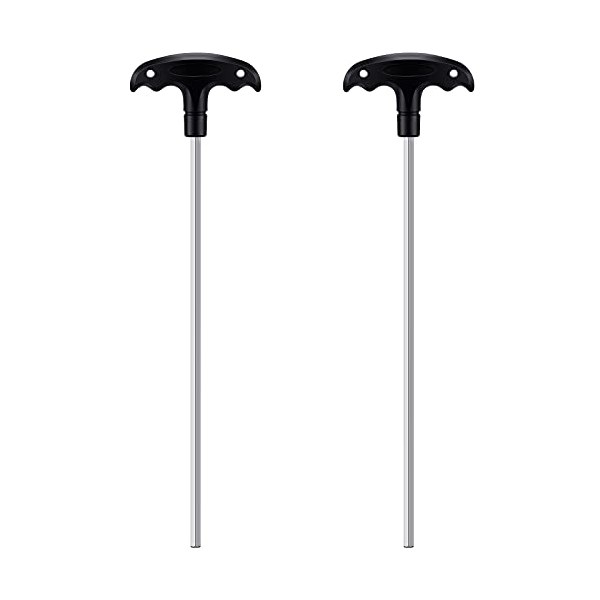 Pool Safety Cover Hex Key Tool (2-Pack)
Hex keys to install or remove a pool safety cover. View on Amazon →
Pool Safety Cover Hex Key Tool (2-Pack)
Hex keys to install or remove a pool safety cover. View on Amazon →
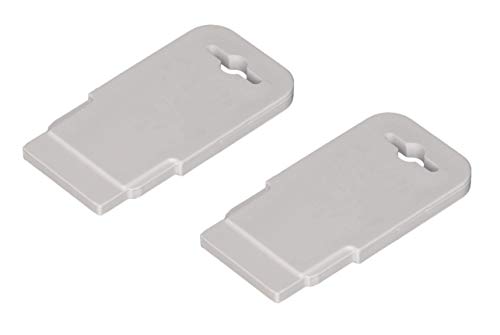 Pool Eyeball / Return Jet Fitting Removal Tool (ATIE)
Pops out & reseats Hayward SP1419 return-jet eyeballs — handy for closing. View on Amazon →
Pool Eyeball / Return Jet Fitting Removal Tool (ATIE)
Pops out & reseats Hayward SP1419 return-jet eyeballs — handy for closing. View on Amazon →
 Taylor K-2006C Complete FAS-DPD Pool & Spa Test Kit
The FAS-DPD kit pool pros trust — reads chlorine accurately even at shock/SLAM levels, plus pH, alkalinity, calcium hardness and CYA. View on Amazon →
Taylor K-2006C Complete FAS-DPD Pool & Spa Test Kit
The FAS-DPD kit pool pros trust — reads chlorine accurately even at shock/SLAM levels, plus pH, alkalinity, calcium hardness and CYA. View on Amazon →
Still need help? Ask a Pool & Spa Expert AD
Get a personalized answer from PoolGuy810 — 30 years owning a pool and spa repair company. Describe your issue and get step-by-step help.
Related Pool Guides
Need More Help?
Try our free pool calculators and tools to help diagnose and fix your pool problems.
Browse Pool ToolsSLAM calculator, pH calculator, salt dosing & more