Does Covering Pool Prevent Algae? Complete Prevention Guide
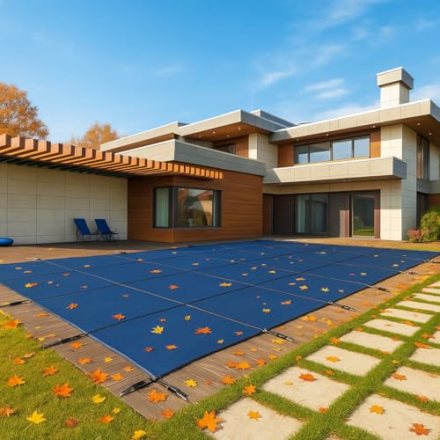
Pool covers are highly effective at preventing algae by blocking sunlight and reducing debris, but they don't eliminate the need for proper chemical balance and filtration.
Pool covers don't directly cause algae, but they create ideal conditions for growth by blocking UV rays that normally help chlorine kill algae. Maintain proper chlorine levels and consider removing covers periodically to prevent issues.
Pool covers can shrink due to excessive heat, UV exposure, chemical damage, or improper storage. Most shrinkage occurs with vinyl and mesh covers, while solid safety covers are more resistant but not immune.
Solar pool covers work by trapping solar energy through thousands of air-filled bubbles that act like tiny magnifying glasses, while creating an insulating barrier that prevents heat loss and evaporation.
Yes, most pool covers can be repaired depending on the type of damage and cover material. Small tears, broken grommets, and worn straps are commonly repairable using patch kits, vinyl cement, or replacement hardware.
You should wait until chlorine levels drop below 5 ppm before covering your pool after shocking. Covering too early can trap high chlorine concentrations and damage your pool cover.
Mesh pool covers typically last 10-15 years with proper care and maintenance. Higher quality covers with UV-resistant materials and reinforced edges can last even longer when properly maintained.
Pool cover pumps typically last 3-7 years with proper maintenance. High-quality pumps can last longer, while budget models may fail sooner due to weather exposure and frequent use.
Pool covers are highly recommended for most pool owners as they reduce chemical usage by 60%, cut heating costs by 70%, and prevent debris accumulation. Winter covers are essential for cold climates, while solar covers benefit year-round pool users.
Yes, you should cover your above ground pool, especially during winter months. A proper pool cover protects water quality, reduces chemical usage by 60-80%, and prevents debris accumulation that leads to algae growth.
Yes, you need a winter pool cover to protect your pool from debris, prevent algae growth, and reduce chemical loss during winter months. The type depends on your climate and pool type.
Pool covers are essential for winter protection in freezing climates and highly beneficial year-round for reducing chemical usage, heating costs, and debris cleanup. The necessity depends on your climate, pool type, and maintenance goals.
Most pool covers cannot be recycled through standard municipal programs due to mixed materials, but specialized recycling centers may accept them. Proper disposal varies by cover type and condition.
Pool covers cannot replace safety fences in most jurisdictions. Safety covers must meet ASTM standards and be automatic, but local codes typically require permanent barriers like fences around pools.
While you can technically leave your pool covered all summer, it's not recommended as it creates anaerobic conditions that promote algae growth and equipment damage. If you must keep it covered, you'll need modified maintenance procedures.