
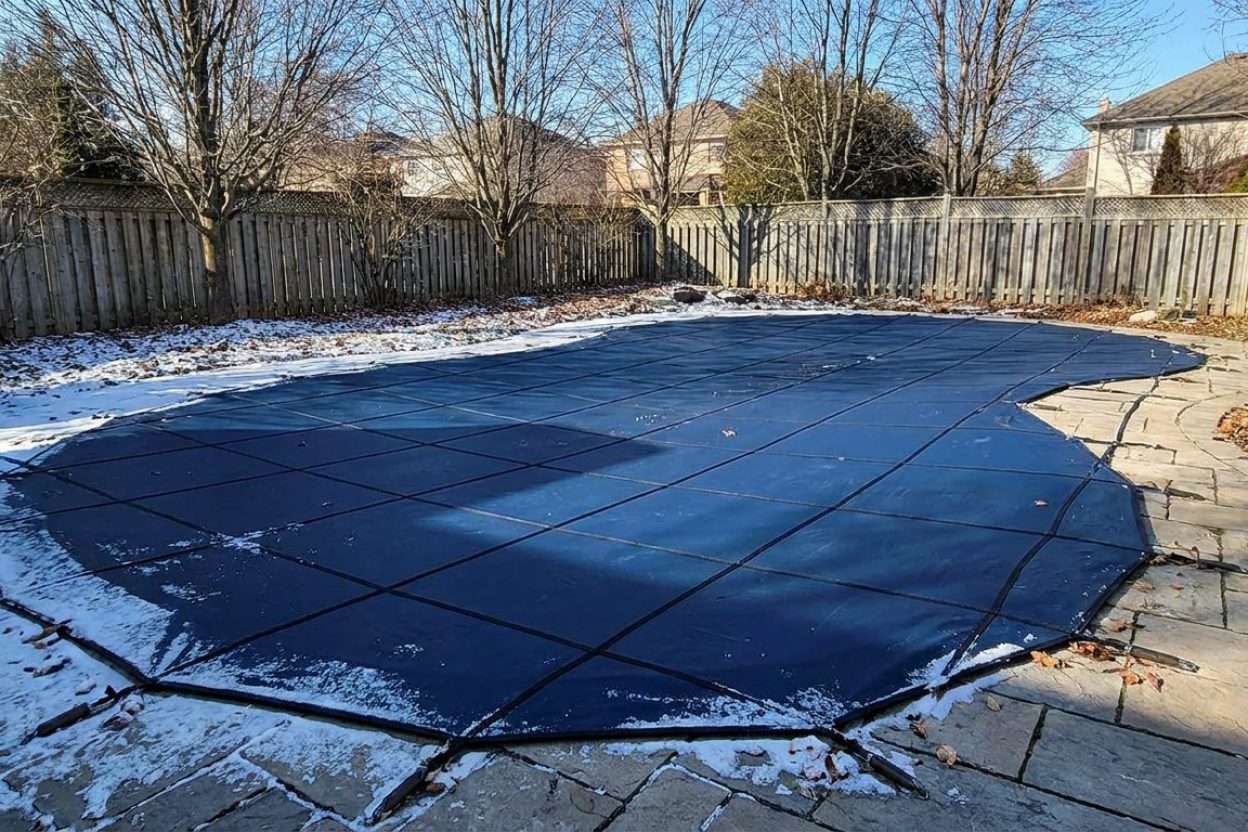
Can I Cover Pool After Shocking? When It's Safe to Cover

When can I safely cover my pool after shocking it?
Read full question
Staring at my pool Saturday morning with shock treatment planned — should I have the cover staged and ready to throw back on or do I need to wait?
The guy at the pool store mentioned something about waiting before putting the cover back on, but I honestly didn't catch all the details - there was so much information!
I'm worried about covering it too soon and maybe damaging the cover or something. How long should I wait after shocking before it's safe to put the cover back on? Is there a specific chlorine level I should be looking for? Any guidance would be really appreciated!
Quick Answer
You should wait until free chlorine (FC) drops to the target range for your CYA level before covering your pool after shocking. Covering too early can trap high chlorine concentrations and damage your pool cover. Use a reliable test kit to monitor FC levels and ensure proper chemical balance before covering. For SLAM processes, keep the pool uncovered until FC drops to the target range and the Overnight Chlorine Loss Test (OCLT) is passed.
First, Let's Diagnose the Situation
You're absolutely right to worry about covering your pool too soon after shocking — making this timing mistake could create dangerous chemical imbalances and waste your money. The primary concern isn't just whether you can cover the pool, but whether you should based on your chlorine levels, cover type, and the reason for shocking.
High chlorine concentrations trapped under a cover can cause significant damage to both the cover material and your pool equipment. Additionally, covered pools with elevated chlorine levels can develop chemical imbalances that are difficult to correct.
Safe Chlorine Levels for Pool Covering
Wait until free chlorine (FCFree Chlorine — The chlorine actively sanitizing your water right now. This is the number you keep an eye on. how much you need →) drops to the target range for your CYACyanuric Acid (stabilizer) — Sunscreen for your chlorine — it keeps sunlight from burning it off. The catch: the more you have, the more chlorine you need to keep. learn more → level before covering. This is the golden rule that will prevent most cover-related problems. Here's why this threshold matters:
- Vinyl and fabric covers can suffer chemical burns from high chlorine concentrations
- Solar covers will deteriorate rapidly when exposed to shock-level chlorine (10+ ppm)
- Mesh safety covers can experience premature aging and color fading
- Solid covers may develop brittle spots or cracking from chemical exposure
Testing Your Chlorine Levels
Use a reliable test kit like the Taylor K-2006 or K-1515 to get accurate readings. Pool test strips are notoriously unreliable at shock levels and should be avoided for this critical measurement.
Step-by-Step Solution for Different Scenarios
Scenario 1: Routine Weekly Shocking
- Add your shock treatment (liquid chlorine recommended over calcium hypochlorite)
- Run your pump continuously for 8-24 hours to circulate the chemicals (longer for larger pools)
- Test FC levels using a reliable test kit
- If FC is above the target range for your CYA level, wait 2-4 hours and retest
- Continue testing every 2 hours until FC drops to the target range for your CYA level
- Once safe levels are reached, you can apply your cover
Scenario 2: SLAM Process (Shock Level And Maintain)
If you're performing a SLAMShock Level And Maintain — raise free chlorine to a target based on your CYA and hold it there until the algae is gone. It's a process, not a one-time dose. the SLAM walkthrough → to clear algae or other contamination, do not cover the pool until the process is complete. The SLAM method requires:
- Maintaining shock level chlorine (FC = CYA × 0.40, i.e. 40% of your CYA — e.g. CYA 30 → SLAM FC 12; consult the all-in-one pool calculator for estimated targets)
- Keeping the pool uncovered for maximum UV exposure and circulation
- Testing FC and Combined Chlorine (CCCombined Chlorine — "Used-up" chlorine left over from doing its job. Above about 0.5 ppm is the classic sign water needs a shock. learn more →) twice daily
- Continuing until combined chlorine (CC) drops to 0.5 ppm or less and you pass the Overnight Chlorine Loss Test (OCLT)
- Only after completing SLAM and FC drops to the target range for your CYA level should you consider covering
Scenario 3: Emergency Algae Treatment
For green or cloudy pools requiring heavy chlorination:
- Never cover during active treatment - this traps contaminants
- Allow full circulation and UV exposure to assist chlorine effectiveness
- Wait until water is crystal clear and FC is below the target range for your CYA level
- Perform an OCLT to ensure chlorine demand is satisfied
- Only then apply your cover
Cover-Specific Considerations
Solar Covers
Solar covers are most vulnerable to chlorine damage. These bubble covers can dissolve or become brittle when exposed to high chlorine. Generally, wait until FC is back in your normal range for your CYA before putting a solar cover back on (high chlorine degrades the cover), and consider removing them entirely during SLAM processes.
Mesh Safety Covers
While more chemically resistant, mesh covers still benefit from lower chlorine exposure. The target range for your CYA level applies, but you have slightly more flexibility with these durable covers.
Solid Safety Covers
Solid covers can trap chemicals and create stagnant conditions. Ensure proper chemical balance before covering, and consider using a cover pump to remove standing water that could concentrate chemicals.
Timing and Environmental Factors
Several factors affect how quickly chlorine levels drop:
- Sunlight: UV rays break down chlorine faster - uncovered pools in direct sun will see faster FC reduction
- Temperature: Warmer water accelerates chlorine consumption
- Bather load: Recent swimming activity increases chlorine demand
- Organic matter: Leaves, debris, or algae consume chlorine
In summer conditions with full sun exposure, chlorine levels typically drop 1-2 ppm over 4-6 hours after shocking. In cooler weather or shaded conditions, this process can take 6-8 hours.
Preventing Future Issues
To minimize cover damage and chemical imbalances:
- Shock in the evening when possible, allowing overnight dissipation
- Use liquid chlorine instead of granular shock to avoid calcium buildup
- Maintain proper CYA levels (30-50 ppm) to protect chlorine without requiring excessive shock doses
- Keep detailed records of shock timing and FC levels
- Inspect covers regularly for signs of chemical damage
Safety Warning: Never swim in a pool with shock-level chlorine, and ensure proper ventilation if you must work around a recently shocked pool. High chlorine levels can cause respiratory and skin irritation, so ventilate and wait for levels to drop.
For the full breakdown of safe chlorine levels by CYA level, see our pool water chemistry guide.
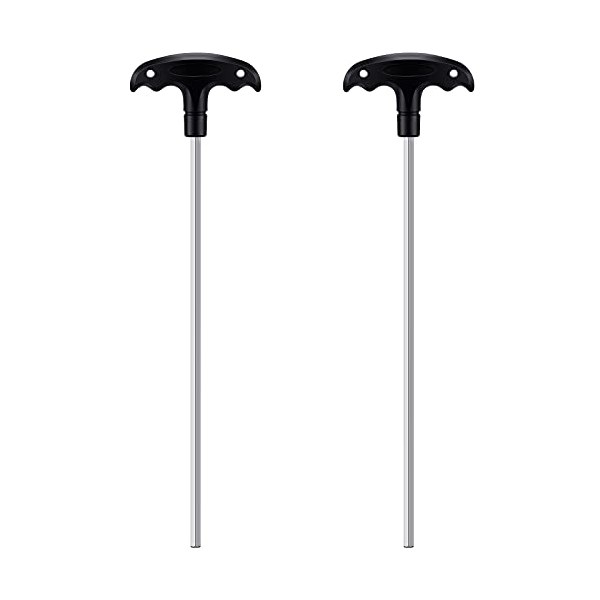 Pool Safety Cover Hex Key Tool (2-Pack)
Hex keys to install or remove a pool safety cover. View on Amazon →
Pool Safety Cover Hex Key Tool (2-Pack)
Hex keys to install or remove a pool safety cover. View on Amazon →
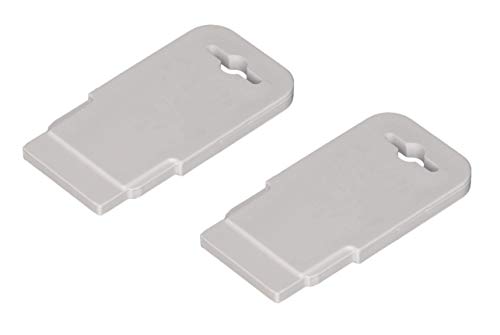 Pool Eyeball / Return Jet Fitting Removal Tool (ATIE)
Pops out & reseats Hayward SP1419 return-jet eyeballs — handy for closing. View on Amazon →
Pool Eyeball / Return Jet Fitting Removal Tool (ATIE)
Pops out & reseats Hayward SP1419 return-jet eyeballs — handy for closing. View on Amazon →
 Taylor K-2006C Complete FAS-DPD Pool & Spa Test Kit
The FAS-DPD kit pool pros trust — reads chlorine accurately even at shock/SLAM levels, plus pH, alkalinity, calcium hardness and CYA. View on Amazon →
Taylor K-2006C Complete FAS-DPD Pool & Spa Test Kit
The FAS-DPD kit pool pros trust — reads chlorine accurately even at shock/SLAM levels, plus pH, alkalinity, calcium hardness and CYA. View on Amazon →
 Liquid Chlorine / Sodium Hypochlorite (12.5%)
Everyday sanitizer — the B in BBB View on Amazon →
Liquid Chlorine / Sodium Hypochlorite (12.5%)
Everyday sanitizer — the B in BBB View on Amazon →
Still need help? Ask a Pool & Spa Expert AD
Get a personalized answer from PoolGuy810 — 30 years owning a pool and spa repair company. Describe your issue and get step-by-step help.
Related Pool Guides
Need More Help?
Try our free pool calculators and tools to help diagnose and fix your pool problems.
Browse Pool ToolsSLAM calculator, pH calculator, salt dosing & more