
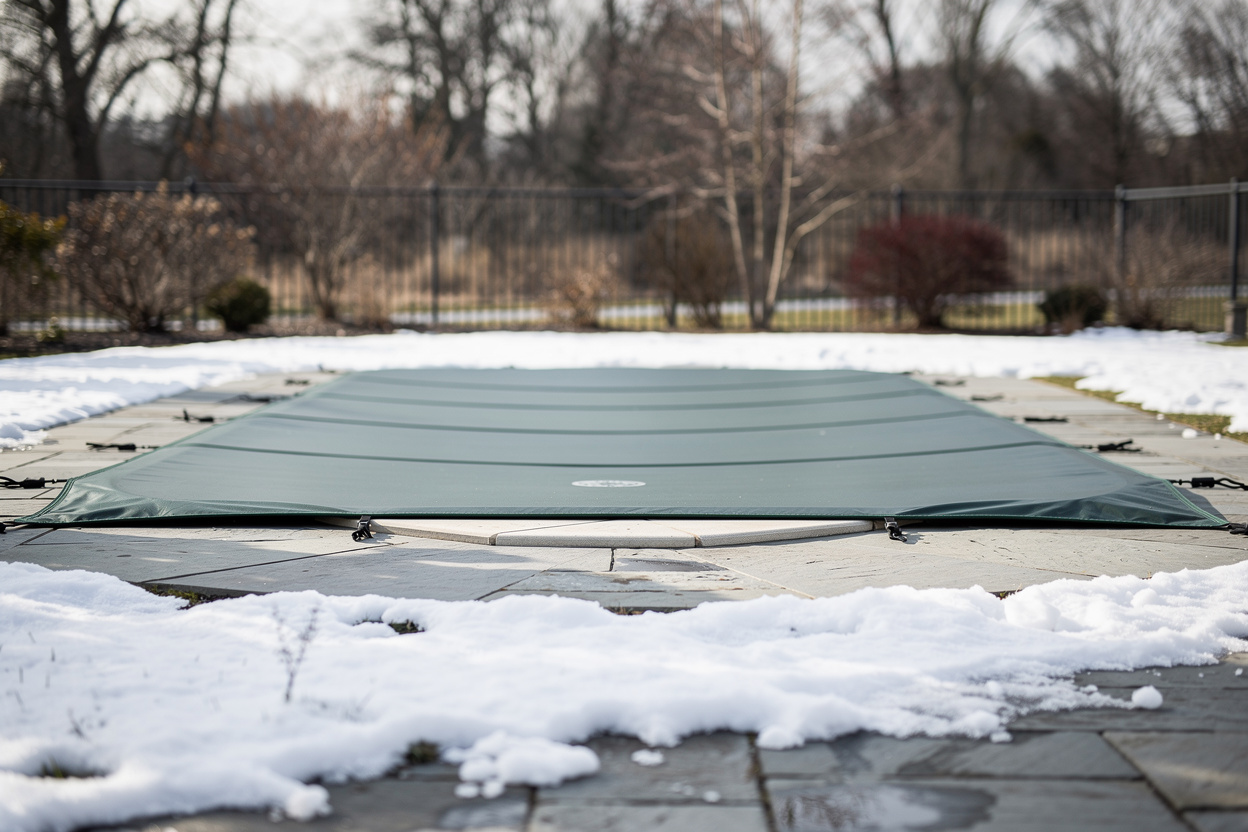
Do You Need to Cover Above Ground Pool? Complete Guide

Should I cover my above ground pool or just keep dumping chemicals?
Read full question
Standing in my backyard staring at the swampy mess the previous owner called a pool that's been uncovered all winter. Every week I'm adding chlorine, algaecide, shock treatments - you name it. The water goes from crystal clear to swamp green faster than I can keep up with, and I'm spending a fortune on chemicals.
I keep debating whether I should just bite the bullet and get a pool cover, but I honestly don't know if it's worth the investment or if it'll actually help with all these water quality issues I'm having. Will covering it really make that much of a difference, especially during the colder months? I'm tired of throwing money at this thing but I want to keep enjoying my pool without breaking the bank.
Quick Answer
Yes, you should cover your above ground pool, especially during winter months. A proper pool cover protects water quality, reduces chemical usage by 35-60%, and prevents debris accumulation that leads to algae growth.
Why Above Ground Pools Need Covers
Above ground pools are more vulnerable than in-ground pools because they're fully exposed to the elements. If your water keeps turning green during the season, though, a cover alone won't fix it — that's a sign your Free Chlorine is too low for your CYACyanuric Acid (stabilizer) — Sunscreen for your chlorine — it keeps sunlight from burning it off. The catch: the more you have, the more chlorine you need to keep. learn more → level, and you'll need to complete a full SLAMShock Level And Maintain — raise free chlorine to a target based on your CYA and hold it there until the algae is gone. It's a process, not a one-time dose. the SLAM walkthrough → before a cover can help keep the water clear. Without proper covering, you'll face several costly problems:
- Chemical loss: UV rays break down chlorine rapidly, requiring constant addition of sanitizer
- Debris accumulation: Leaves and organic matter consume chlorine and create algae breeding grounds
- Water evaporation: You'll lose 1-3 inches weekly in summer, requiring frequent refilling
- Equipment damage: Freeze damage to pumps, filters, and plumbing costs hundreds in repairs
When to Cover Your Above Ground Pool
Winter Closing (Essential)
Close and cover your pool for winter as the swim season ends and temperatures begin trending toward freezing; the real driver is protecting against freeze damage (around 32°F), not a specific 65°F reading. This typically occurs between October and December, depending on your location. Before covering, balance your water chemistry:
- pH: 7.2-7.6
- Total Alkalinity: 80-120 ppm
- Calcium Hardness: 250-350 ppm for plaster (175-225 ppm for vinyl/fiberglass)
- Free Chlorine: the right level for your CYA (typically 4-8 ppm for a stabilized outdoor pool) (don't over-chlorinate before closing)
Daily Use Periods
Cover your pool whenever it's not in use for more than 8 hours. This includes overnight covering during swim season and extended periods when you're away.
Types of Above Ground Pool Covers
Winter Covers
Solid vinyl covers are most common for above ground pools. Look for 8-mil or thicker material with reinforced edges. These covers completely block sunlight, preventing algae growth, and include a cable and winch system for secure attachment.
Mesh safety covers are premium options costing $200-600 but provide superior protection. They support weight loads and allow rain to drain while filtering out debris.
Solar Covers
Solar bubble covers work excellent during swimming season, raising water temperature by 8-12°F while reducing chemical usage. Use 12-mil thickness minimum for durability. Solar covers are not suitable for winter closing as they don't provide freeze protection.
Automatic Covers
Automatic retractable covers (typically $10,000-$20,000) are designed for inground pools and are generally not an option for above ground pools.
Proper Installation Process
- Clean the pool thoroughly - Remove all debris and brush walls before covering
- Lower water level - Drop water 4-6 inches below skimmer for winter covers
- Position cover evenly - Ensure equal overhang around entire pool perimeter
- Secure cable system - Thread cable through grommets and tighten using winch mechanism
- Add water bags - Place around pool perimeter, filling 1/2 to 2/3 full to allow for ice expansion
- Install air pillow - Place appropriately sized air pillow in pool center (typically 4x4 foot for pools 24 feet and larger) to break ice formation
Chemical Savings and Maintenance Benefits
Covering your above ground pool reduces chemical usage dramatically. Uncovered pools require 2-4 pounds of chlorine weekly during peak season, while covered pools need only 0.5-1 pound. This translates to $200-400 annual savings on a typical 24-foot round pool.
Pool covers also prevent the nightmare scenario of green pool recovery. Without covering, organic debris can overwhelm your chlorine overnight, requiring a SLAM (Shock Level And Maintain) process using 2-3 gallons of liquid chlorine to clear the water.
Climate Considerations
Northern Climates
In areas with freezing temperatures, winter covering is non-negotiable. Ice formation can destroy above ground pool walls, and freeze damage to equipment creates expensive repairs. Always use solid winter covers with proper air pillow installation.
Southern Climates
Even in warm areas, covering during cooler months (when pool isn't used regularly) reduces maintenance significantly. You can maintain minimal chemical levels and avoid weekly cleaning when covered properly.
Common Covering Mistakes to Avoid
- Over-chlorinating before closing: High chlorine levels can bleach vinyl liners - maintain the right Free Chlorine level for your CYA (typically around 4-8 ppm for a stabilized outdoor pool)
- Using inadequate water bags: Under-filled or insufficient bags allow wind to lift covers
- Skipping air pillow installation: Without pillows, ice pressure can damage pool walls
- Covering dirty water: Always clean and balance water before covering to prevent spring cleanup nightmares
Bottom line: Covering your above ground pool isn't optional - it's essential equipment protection that saves money and prevents major headaches. The investment in quality covers pays for itself within one season through reduced chemical costs and equipment protection.
For the full breakdown of safe chlorine levels by CYA level, see our pool water chemistry guide.
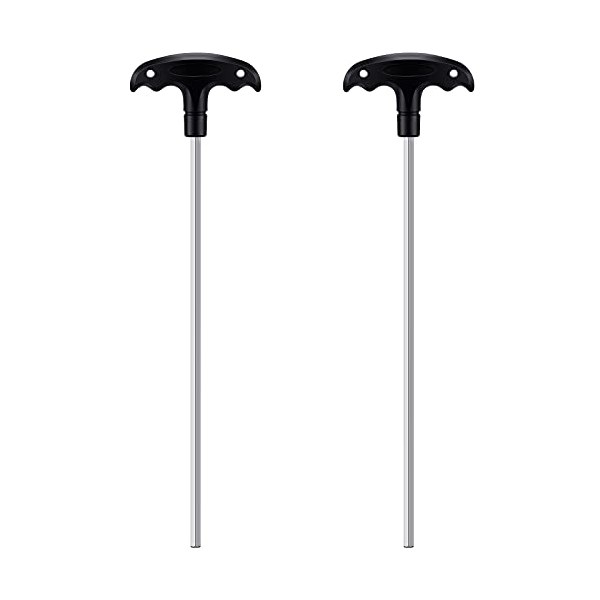 Pool Safety Cover Hex Key Tool (2-Pack)
Hex keys to install or remove a pool safety cover. View on Amazon →
Pool Safety Cover Hex Key Tool (2-Pack)
Hex keys to install or remove a pool safety cover. View on Amazon →
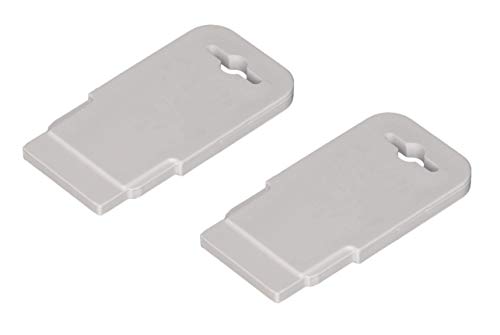 Pool Eyeball / Return Jet Fitting Removal Tool (ATIE)
Pops out & reseats Hayward SP1419 return-jet eyeballs — handy for closing. View on Amazon →
Pool Eyeball / Return Jet Fitting Removal Tool (ATIE)
Pops out & reseats Hayward SP1419 return-jet eyeballs — handy for closing. View on Amazon →
 Taylor K-2006C Complete FAS-DPD Pool & Spa Test Kit
The FAS-DPD kit pool pros trust — reads chlorine accurately even at shock/SLAM levels, plus pH, alkalinity, calcium hardness and CYA. View on Amazon →
Taylor K-2006C Complete FAS-DPD Pool & Spa Test Kit
The FAS-DPD kit pool pros trust — reads chlorine accurately even at shock/SLAM levels, plus pH, alkalinity, calcium hardness and CYA. View on Amazon →
Still need help? Ask a Pool & Spa Expert AD
Get a personalized answer from PoolGuy810 — 30 years owning a pool and spa repair company. Describe your issue and get step-by-step help.
Related Pool Guides
Need More Help?
Try our free pool calculators and tools to help diagnose and fix your pool problems.
Browse Pool ToolsSLAM calculator, pH calculator, salt dosing & more