
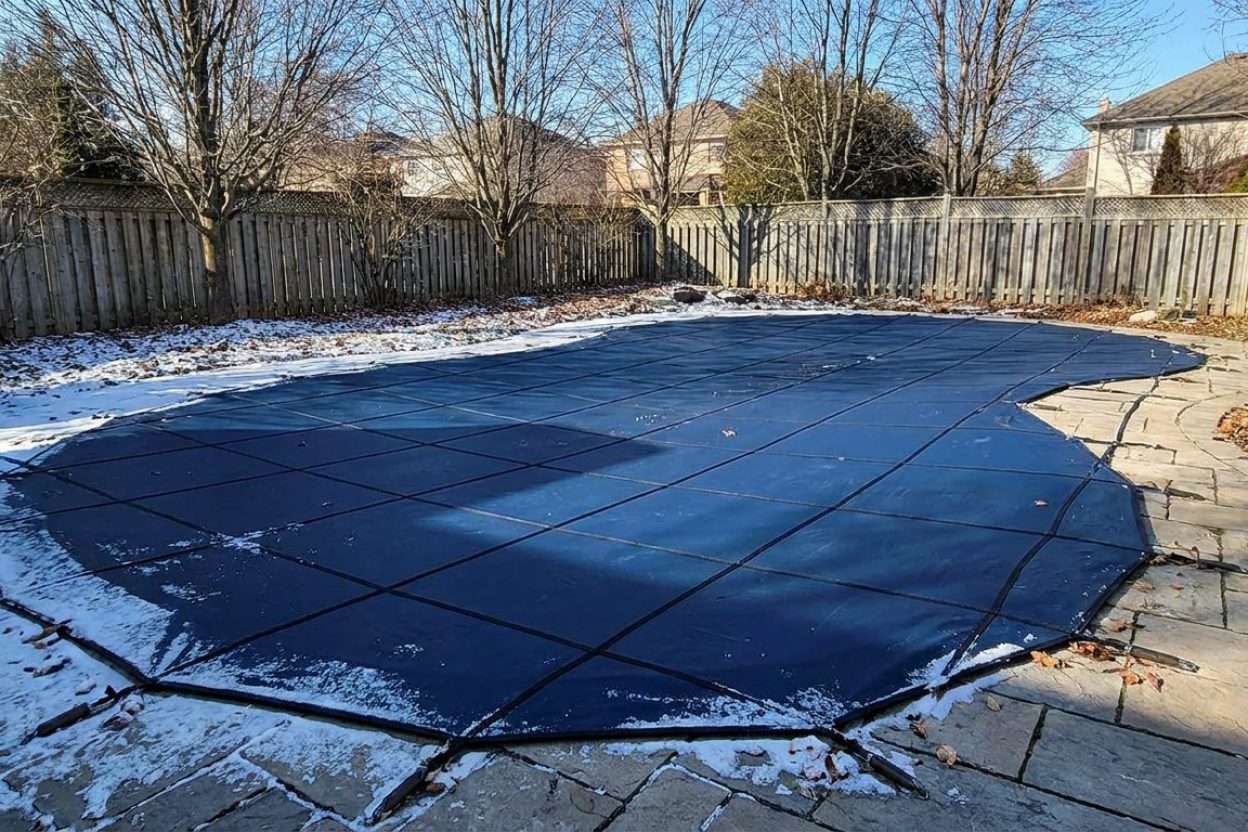
Can You Shock Pool With Solar Cover On? Chemical Safety Guide

Should I remove solar cover before shocking my green pool?
Read full question
Last week my pool service guy told me I absolutely must remove the solar cover before shocking, but that sounds like he's just creating extra work for himself. My pool has been green for over a week now and I've already dumped what feels like half a chemistry store into it. I've been shocking it every other day but honestly I'm not sure if I'm doing it right.
I've been leaving my solar cover on when I add the shock because I figured it would help keep the chemicals from evaporating in the sun. But now I'm wondering if that's actually making things worse? Should I be taking the cover off first? And if so, how long should I wait before putting it back on? I'm willing to try anything at this point because this green monster is driving me crazy!
Quick Answer
Never shock your pool with the solar cover on. Always remove the solar cover before adding any chemicals, allow proper circulation for 1-2 hours, then replace the cover once chemicals are distributed. Follow the proper procedure for shocking your pool, including calculating the correct shock dosage using the FC/CYA chart or our all-in-one pool calculator, and ensure the pool is safe to swim in after the treatment.
Why Solar Covers Must Be Removed Before Shocking
Solar covers create several serious problems when left on during chemical treatments:
- Prevents proper mixing: Chemicals settle unevenly without surface agitation
- Traps fumes and heat: Strong liquid chlorine can give off mildly irritating fumes locally, and trapped heat plus concentrated chlorine can degrade the cover
- Creates hot spots: Concentrated chemicals can bleach or damage the cover material
- Blocks skimmer action: Surface debris and foam can't be removed properly
- Reduces effectiveness: Poor circulation means some areas get too much chemical while others get too little
Proper Pool Shocking Procedure
Follow this safe and effective method for shocking your pool:
- Remove the solar cover completely and set aside in a safe area where it won't blow away
- Test your water chemistry using a reliable test kit like Taylor K-2006 to determine current FCFree Chlorine — The chlorine actively sanitizing your water right now. This is the number you keep an eye on. how much you need → (free chlorine) and CYACyanuric Acid (stabilizer) — Sunscreen for your chlorine — it keeps sunlight from burning it off. The catch: the more you have, the more chlorine you need to keep. learn more → (cyanuric acid) levels
- Calculate proper shock dosage based on your CYA level using the FC/CYAFC/CYA chart — The chart that sets your chlorine target from your stabilizer (CYA) level — the two go together. see the chart → chart - typically 40% of your CYA level for SLAMShock Level And Maintain — raise free chlorine to a target based on your CYA and hold it there until the algae is gone. It's a process, not a one-time dose. the SLAM walkthrough → treatment. For a handy reference to calculate this, use our all-in-one pool calculator.
- Add liquid chlorine gradually around the pool perimeter while the pump is running - never dump in one spot
- Run circulation for 1-2 hours minimum to ensure complete distribution throughout the pool
- Brush pool surfaces to help distribute chemicals and prevent dead spots
- Retest chlorine levels to confirm proper distribution before replacing cover
- Safe to swim once free chlorine is below 10 ppm (per CDC) and you can clearly see the bottom and main drain (usually overnight for the chlorine to drop)
Chemical Distribution and Solar Covers
Solar covers significantly impede proper chemical distribution in several ways. The cover acts as a barrier that prevents the natural surface agitation needed for mixing. When you add liquid chlorine or cal-hypo shock, these chemicals need to circulate throughout the entire pool volume. With a cover in place, chemicals tend to stay concentrated in the area where they were added.
This uneven distribution creates multiple problems. Areas with high chemical concentration can experience bleaching of pool surfaces, while areas with low concentration remain untreated. The result is ineffective sanitization and potential damage to your pool finish.
Why You Should Not Shock With the Cover On
Adding shock with a solar cover in place is a bad idea, but not because of "chlorine gas" — dissolved pool chlorine does not produce chlorine gas (Cl2) at pool concentrations; that only happens when chlorine is mixed directly with acid.
The real problems are practical: a floating cover blocks circulation, so concentrated chlorine sits in one spot instead of mixing; high chlorine and trapped heat can bleach or degrade the cover; and strong liquid chlorine can give off mildly irritating fumes locally. Remove the cover, add chemicals with the pump running, and let everything circulate before putting the cover back on.
Timing Your Shock Treatment
The best time to shock your pool is in the evening or at night when the sun won't break down the chlorine as quickly. Here's the optimal timing:
- Evening (after 6 PM): Remove cover, add shock, circulate overnight
- Morning check: Test chlorine levels and brush if needed
- Replace cover: Once FC drops back to your normal target range for your CYA (roughly 10-15% of CYA), not the 40%-of-CYA shock level
This timing allows the shock treatment to work effectively overnight while preventing UV degradation from sunlight.
Solar Cover Damage Prevention
Pool chemicals can damage solar covers in several ways. Concentrated chlorine can cause bleaching, brittleness, and premature deterioration of the cover material. Cal-hypo shock is particularly damaging as it can leave white bleach spots on dark covers.
To protect your solar cover investment:
- Always remove before adding any chemicals
- Rinse cover with fresh water if accidental contact occurs
- Store cover away from chemical storage areas
- Avoid dragging cover across pool deck where chemical residue might be present
Alternative Approaches for Covered Pools
One important note first: if your pool is already green, shocking every other day won't clear it. Algae only dies when you hold shock level (40% of your CYA) continuously — brushing and testing daily — until the water clears and chlorine stops dropping overnight (the SLAM process). Letting FC fall back between doses just lets the algae keep reproducing.
If you're dealing with algae or cloudiness and want to maintain heat retention, consider these alternatives:
- Partial shocking: Remove cover, add half dose, circulate 1 hour, add remaining dose
- Liquid chlorine preference: Use liquid chlorine instead of granular shock for faster dissolution
- Extended circulation: Run pump longer to ensure complete mixing before replacing cover
Remember, proper pool chemistry requires patience and proper procedures. Never rush chemical additions or skip safety steps to save time. Your solar cover will last longer and your pool will be safer when you follow proper chemical handling procedures.
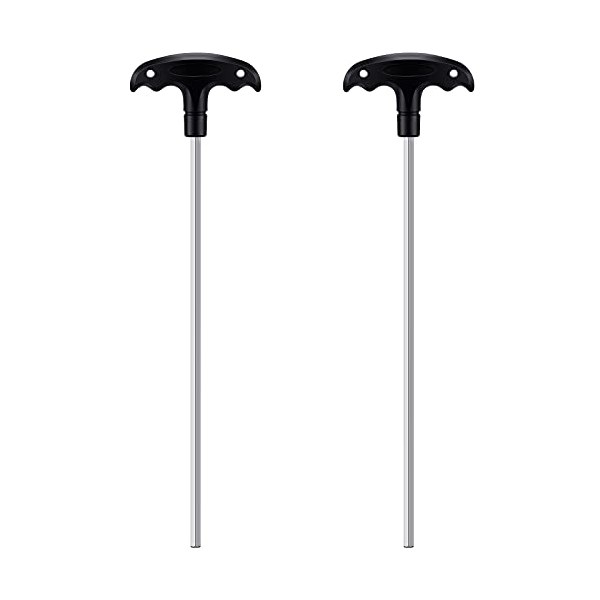 Pool Safety Cover Hex Key Tool (2-Pack)
Hex keys to install or remove a pool safety cover. View on Amazon →
Pool Safety Cover Hex Key Tool (2-Pack)
Hex keys to install or remove a pool safety cover. View on Amazon →
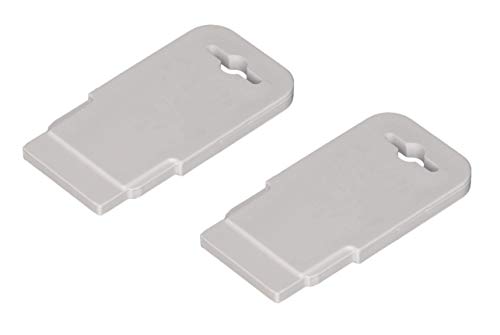 Pool Eyeball / Return Jet Fitting Removal Tool (ATIE)
Pops out & reseats Hayward SP1419 return-jet eyeballs — handy for closing. View on Amazon →
Pool Eyeball / Return Jet Fitting Removal Tool (ATIE)
Pops out & reseats Hayward SP1419 return-jet eyeballs — handy for closing. View on Amazon →
 Taylor K-2006C Complete FAS-DPD Pool & Spa Test Kit
The FAS-DPD kit pool pros trust — reads chlorine accurately even at shock/SLAM levels, plus pH, alkalinity, calcium hardness and CYA. View on Amazon →
Taylor K-2006C Complete FAS-DPD Pool & Spa Test Kit
The FAS-DPD kit pool pros trust — reads chlorine accurately even at shock/SLAM levels, plus pH, alkalinity, calcium hardness and CYA. View on Amazon →
 Liquid Chlorine / Sodium Hypochlorite (12.5%)
Everyday sanitizer — the B in BBB View on Amazon →
Liquid Chlorine / Sodium Hypochlorite (12.5%)
Everyday sanitizer — the B in BBB View on Amazon →
Still need help? Ask a Pool & Spa Expert AD
Get a personalized answer from PoolGuy810 — 30 years owning a pool and spa repair company. Describe your issue and get step-by-step help.
Related Pool Guides
Need More Help?
Try our free pool calculators and tools to help diagnose and fix your pool problems.
Browse Pool ToolsSLAM calculator, pH calculator, salt dosing & more