
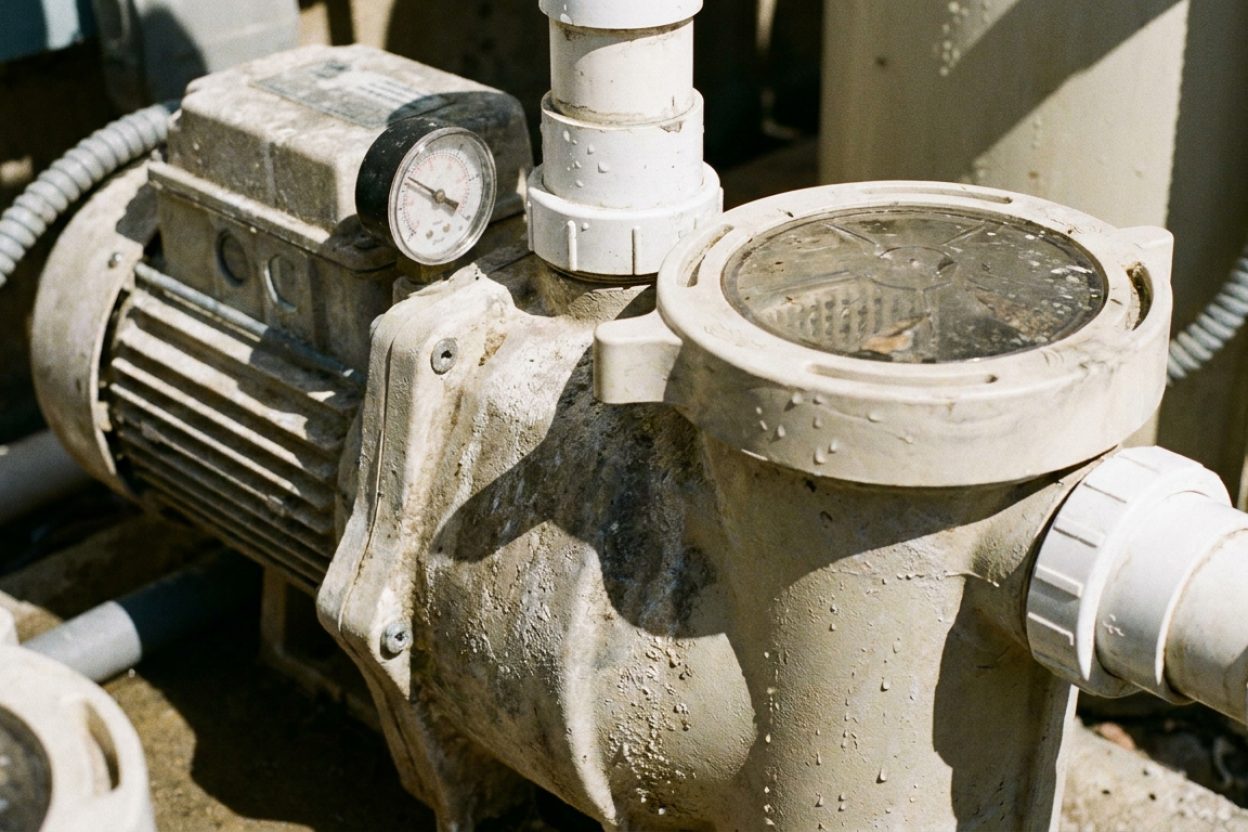
Do You Need a Variable Speed Pool Pump? Complete Guide 2026

Should I upgrade to a variable speed pump? Worth the cost?
Read full question
Single speed pump is killing my electric bill but variable speed pumps cost $800-1500 installed. Pool guy swears it'll pay for itself in two years on energy savings alone. Sounds like a sales pitch but I keep hearing the same thing from other pool owners too. Are variable speed pumps actually worth the upgrade?
Quick Answer
Variable speed pool pumps can save 50-90% on energy costs compared to single speed pumps and are required by law in many areas. They're worth the investment for most pool owners despite higher upfront costs, typically paying for themselves within 2 years.
Energy Savings and Cost Benefits
The primary advantage of variable speed pumps lies in their dramatic energy efficiency improvements. Single speed pumps typically run at 3,450 RPM constantly, consuming 1.5-2.5 kW of electricity. Variable speed pumps can run at lower speeds (around 1,000-2,000 RPM) for daily filtration, using only 200-600 watts.
Here's the math: A typical single speed 1.5 HP pump running 8 hours daily costs approximately $600-900 annually in electricity. The same pool with a variable speed pump typically costs $150-300 per year to operate. This $450-600 annual savings means a variable speed pump investment (typically around $800 for entry-level models up to $2,200 for high-flow units) pays for itself within 2 years.
The energy savings come from the pump affinity laws - reducing speed by half cuts energy consumption dramatically. In real-world use, variable speed pumps typically deliver about 50-70% energy savings in typical real-world use (up to roughly 90% in best-case low-speed scheduling) over single speed models. Since pools need high-speed operation only during cleaning or rapid chemical mixing, running at lower speeds for routine filtration dramatically reduces costs.
Legal Requirements and Regulations
Many states now mandate variable speed pumps for new installations and replacements. California, Florida, and Arizona have their own strict efficiency requirements, and the federal DOE pump rule now effectively requires variable speed technology nationwide. The Department of Energy's federal efficiency standards, effective since 2021, also favor variable speed pumps for most residential applications.
Check your local building codes before purchasing any pump. Installing a non-compliant pump could result in permit issues and may need replacement during home sales or inspections.
Performance and Water Quality Benefits
Beyond energy savings, variable speed pumps offer superior water circulation and filtration. You can program different speeds for different functions:
- Low speed (1,000-1,500 RPM): Daily filtration and chemical distribution
- Medium speed (2,000-2,500 RPM): Heating, solar operation, or water features
- High speed (3,000-3,450 RPM): Vacuuming, backwashing, or rapid chemical mixing
Lower speeds actually improve filtration efficiency. Water moves through the filter media more slowly, allowing better particle capture. This means clearer water with less chemical usage.
When Variable Speed Pumps Make Sense
Variable speed pumps are ideal for:
- Pools with automated systems or timers
- Pools with solar heating systems
- Pools with multiple water features (spas, fountains, waterfalls)
- Pool owners concerned about operating costs
- Areas with high electricity rates
- Pools requiring frequent chemical adjustments
Situations Where Single Speed Might Still Work
Single speed pumps might be adequate for:
- Small above-ground pools (under about 8,000 gallons)
- Seasonal pools used only 3-4 months yearly
- Rental properties where tenants pay utilities
- Pools with minimal equipment (no heater, cleaner, or spa)
However, even in these situations, the long-term savings usually justify variable speed technology.
Installation and Compatibility Considerations
Most variable speed pumps are direct replacements for single speed units, using the same plumbing connections and electrical voltage (typically 230V). However, you'll need:
- Proper electrical supply - some variable speed pumps require different electrical connections
- Compatible timer systems - older mechanical timers may need replacement with digital programmable units
- Adequate pump sizing - calculate your pool's turnover requirements to select appropriate horsepower
Important: Always hire a licensed electrician for installation, as variable speed pumps often require updated electrical connections and GFCI protection.
Selecting the Right Variable Speed Pump
Consider these factors when choosing:
- Total Dynamic Head (TDH): Measure your system's resistance to ensure adequate flow
- Flow requirements: Calculate needed GPM for filtration, heating, and cleaning functions
- Brand reliability: Pentair, Jandy, and Hayward offer proven variable speed models
- Warranty coverage: Look for 2-3 year warranties on motors and electronics
- Programming features: Choose pumps with easy-to-use control interfaces
Common Mistakes to Avoid
Don't make these costly errors:
- Oversizing the pump - bigger isn't always better and wastes energy
- Running at unnecessarily high speeds - program conservative speeds for daily operation
- Ignoring maintenance - variable speed pumps need regular cleaning and inspection
- Buying based solely on price - consider long-term reliability and warranty support
Maintenance and Longevity
Variable speed pumps typically last 10-15 years with proper maintenance, and quality units often exceed that. Keep the motor housing clean, ensure adequate ventilation, and protect from weather exposure. The electronic controls are the most vulnerable component - invest in a pump with a weatherproof control box.
Regular maintenance includes cleaning debris from the motor cooling fins, checking electrical connections annually, and monitoring unusual noises or vibrations that might indicate bearing wear.
Still need help? Ask a Pool & Spa Expert AD
Get a personalized answer from PoolGuy810 — 30 years owning a pool and spa repair company. Describe your issue and get step-by-step help.
Related Pool Guides
Need More Help?
Try our free pool calculators and tools to help diagnose and fix your pool problems.
Browse Pool ToolsSLAM calculator, pH calculator, salt dosing & more