Should You Shock Your Pool Before Winter Closing?
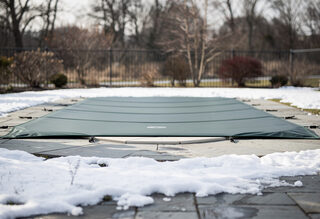
Yes, you should shock your pool before closing it for winter, but timing is crucial. Shock 24-48 hours before adding winterizing chemicals to ensure proper sanitization without chemical conflicts.
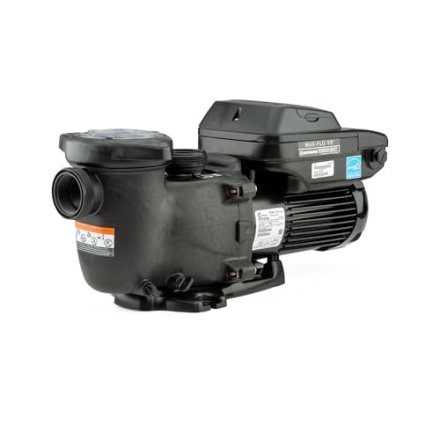
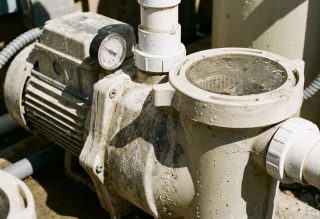
You don't need to run your pool pump 24/7. Most pools require 8-12 hours of daily operation to achieve proper turnover and filtration, depending on pool size, bather load, and environmental conditions.
Salt water pool systems use electrolysis to convert dissolved salt into chlorine sanitizer. The salt cell generates chlorine from sodium chloride, eliminating the need to manually add chlorine while maintaining proper sanitation.
Pool jets can indeed leak from loose fittings, cracked housings, or plumbing connections behind the wall. Most jet leaks occur at the fitting where the jet screws into the return line or from deteriorated gaskets and O-rings.
No, fiberglass pools do not need liners because the fiberglass shell itself serves as the water barrier. The gelcoat surface provides the waterproof finish that liners provide in vinyl pools.
Pool heaters typically last 5-8 years for gas, 8-12 years for electric, and 10-20 years for heat pumps, depending on maintenance, usage, and water chemistry balance.
Yes, pools can leak through concrete when it develops cracks, becomes porous over time, or has structural joint failures. The concrete shell itself can allow water to seep through, especially in older pools or those with poor initial construction.
Yes, above ground pools can be converted to salt water, but you need to verify liner compatibility, install a properly sized salt water generator, and maintain CYA levels between 70-80 ppm for optimal performance.
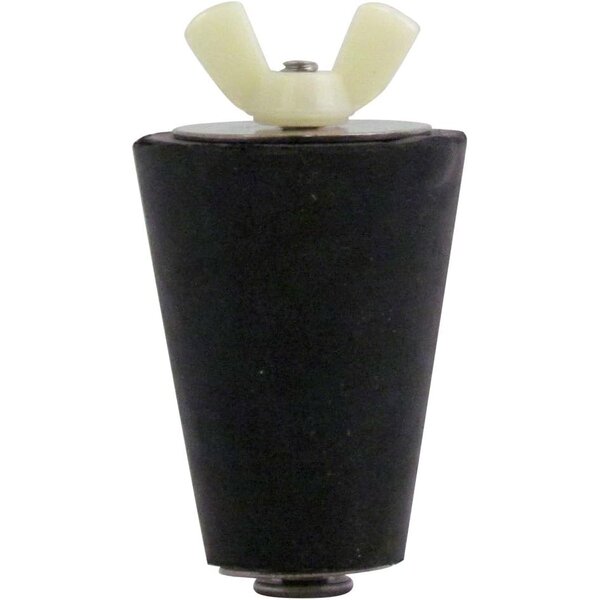
You don't remove the entire skimmer when closing your pool, but you should remove skimmer baskets and weir doors. The skimmer housing stays in place while you add winterizing plugs or antifreeze to prevent freeze damage.
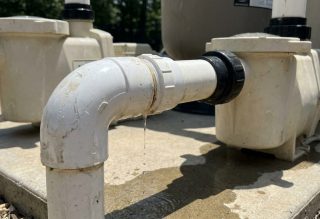
Yes, pools can leak due to structural damage, equipment failures, or plumbing issues. Most pools lose 1/4 inch of water daily from evaporation, but losses exceeding 1/2 inch daily typically indicate a leak.
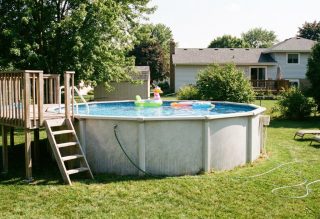
Above ground pools typically last 7-15 years, with steel frame pools lasting longest (10-15 years) and inflatable pools shortest (2-5 years). Proper maintenance, water chemistry, and winterization can significantly extend their lifespan.
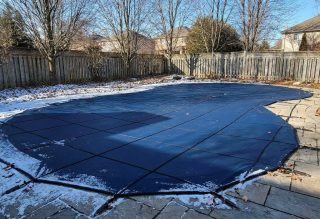
You can keep a pool closed indefinitely with proper winterization and maintenance. Seasonal closures (3-6 months) require standard winterization, while extended closures (6+ months) need additional precautions and periodic monitoring.
Pool cover pumps typically last 3-7 years with proper maintenance. High-quality pumps can last longer, while budget models may fail sooner due to weather exposure and frequent use.
Most liquid pool chemicals can freeze and become damaged, while powder chemicals are generally freeze-resistant. Proper winter storage in heated areas above 32°F prevents costly chemical replacement.
Most pool chemicals should not be stored outside due to temperature fluctuations, moisture, and safety risks. Liquid chlorine and muriatic acid have specific temperature requirements, while powdered chemicals need dry, cool conditions.