

How Pool Vacuums Work: Complete Troubleshooting Guide

Pool vacuum mechanisms and common troubleshooting issues?
Read full question
Since I'm planning to troubleshoot my pool vacuum this Saturday — should I expect suction-side, pressure-side, and robotic models to need completely different repair approaches? My current setup isn't performing optimally, and I want to diagnose whether the issue stems from suction pressure, mechanical components, or operational methodology.
What are the fundamental working principles behind suction-side, pressure-side, and robotic pool vacuums? I'm particularly interested in the engineering differences between each type and their common failure points. Understanding the mechanics will help me identify whether poor performance is due to inadequate water flow, clogged components, or system-specific malfunctions that require targeted solutions.
Quick Answer
Pool vacuums work by creating suction or using pressure to remove debris from pool surfaces. There are three main types: suction-side, pressure-side, and robotic vacuums, each with different mechanisms and troubleshooting needs.
Diagnosing Your Pool Vacuum Issues
Good news: a pool vacuum that's losing suction or moving erratically usually has a simple, fixable cause such as an air leak, a clogged basket, or a worn part. Understanding how your specific vacuum works is crucial for proper maintenance and troubleshooting. Pool vacuums operate on three different principles, and each has unique operational characteristics and common failure points.
How Suction-Side Pool Vacuums Work
Suction-side vacuums are the most common type and connect directly to your pool's skimmer or dedicated suction line. These vacuums rely on your pool pump to create the suction power needed for cleaning.
Operating Mechanism
The vacuum head connects to a series of hoses that lead back to your skimmer. When your pool pump runs, it creates negative pressure that pulls water and debris through the vacuum head, up through the hoses, and into your pool's filtration system. Popular models include the Zodiac Baracuda and Pentair Kreepy Krauly.
Common Performance Issues
- Weak suction indicates air leaks in hose connections or damaged hoses
- Vacuum moving too fast suggests excessive suction or worn components
- Vacuum not moving indicates clogged debris bag or insufficient suction
- Missing spots means improper hose length or worn climbing rings
Troubleshooting Solutions
Check all hose connections for air leaks by submerging connections underwater while the system runs - bubbles indicate leaks. Ensure your skimmer basket and pump basket are clean, as clogs reduce suction significantly. Verify proper hose length by measuring from the vacuum head to the farthest point in your pool and adding one hose section.
How Pressure-Side Pool Vacuums Work
Pressure-side vacuums use pressurized water from your pool's return lines or a dedicated booster pump to create movement and suction. These systems are more complex but often more effective on larger debris.
Operating Mechanism
Water flows into the vacuum through a feed hose, powering internal mechanisms that create movement and suction. The pressurized water spins wheels or tracks for mobility while simultaneously creating a venturi effect for debris collection. Models like the Polaris 280 and 380 are industry standards.
Performance Diagnostics
- Slow movement indicates insufficient water pressure or clogged jets
- Erratic movement suggests worn wheels, tracks, or internal components
- Poor debris pickup means clogged debris bag or worn sweep hose
- Vacuum floating indicates air in the system or damaged floats
Pressure System Solutions
Measure water pressure at the vacuum using a pressure gauge - booster-pump models like the Polaris 280/380 require about 28-32 PSI (low-pressure, no-booster cleaners run much lower, around 15-17 PSI). Clean all jets and internal screens monthly, as calcium buildup reduces performance. Replace worn wheels and tracks annually, as these directly affect movement patterns and cleaning coverage.
How Robotic Pool Vacuums Work
Robotic vacuums are self-contained units with their own motors, filtration systems, and programming. These sophisticated machines operate independently from your pool's circulation system.
Operating Technology
Internal motors power both movement and suction, while onboard computers control cleaning patterns and timing. Built-in filtration captures debris in removable cartridges or bags. Advanced models like the Dolphin Nautilus and Hayward TigerShark include scrubbing brushes and wall-climbing capabilities.
Robotic Vacuum Diagnostics
- Unit not starting indicates power supply or control board issues
- Poor wall climbing suggests worn tracks or insufficient motor power
- Incomplete cleaning cycles mean programming issues or obstructed sensors
- Reduced suction indicates clogged filters or worn impellers
Electronic System Solutions
Test the power supply with a multimeter to ensure proper voltage output. Clean filter cartridges after each use and replace them every 2-3 months for normal use, or monthly during heavy use periods. Inspect and clean all sensors monthly, as debris buildup interferes with navigation programming.
Universal Vacuum Troubleshooting
Regardless of vacuum type, certain issues affect all pool cleaning systems. Always turn off power before performing any maintenance on robotic units.
Water Chemistry Impact
Maintain proper water chemistry to prevent equipment damage. Keep pH between 7.2-7.6 and total alkalinity at 80-120 ppm for optimal performance. High calcium hardness above 400 ppm causes scale buildup in vacuum components, while low pH below 7.2 corrodes metal parts.
Maintenance Schedule
Clean debris bags or cartridges after each use to maintain suction power. Inspect hoses monthly for cracks, paying special attention to connection points where stress concentrates. Store suction and pressure-side vacuums with hoses drained and coiled loosely to prevent permanent kinking.
When to Call a Professional
Contact a pool technician if you experience recurring issues after following these troubleshooting steps, notice unusual noises from robotic units, or detect equipment overheating. Internal motor repairs and circuit board replacements require specialized tools and expertise.
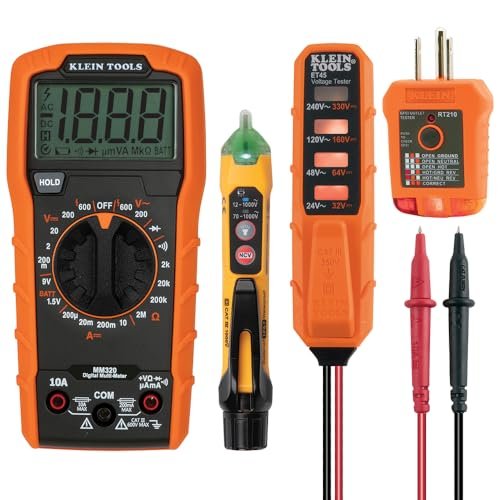 Klein Tools MM320KIT Digital Multimeter Kit
For troubleshooting pump-motor voltage, continuity, and capacitor faults. View on Amazon →
Klein Tools MM320KIT Digital Multimeter Kit
For troubleshooting pump-motor voltage, continuity, and capacitor faults. View on Amazon →
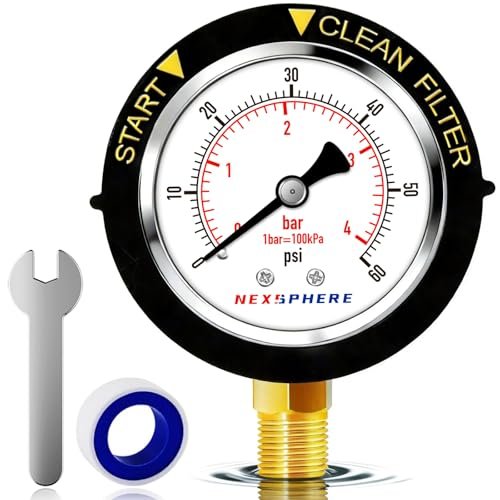 NexSphere Pool Filter Pressure Gauge, 0–60 PSI, 2 in Dial
Replacement back-mount gauge so you can read filter pressure and know when to backwash. View on Amazon →
NexSphere Pool Filter Pressure Gauge, 0–60 PSI, 2 in Dial
Replacement back-mount gauge so you can read filter pressure and know when to backwash. View on Amazon →

Still need help? Ask a Pool & Spa Expert AD
Get a personalized answer from PoolGuy810 — 30 years owning a pool and spa repair company. Describe your issue and get step-by-step help.
Need More Help?
Try our free pool calculators and tools to help diagnose and fix your pool problems.
Browse Pool ToolsSLAM calculator, pH calculator, salt dosing & more