
Do I Need a Pool Pillow for Winter? Complete Guide

Are pool pillows necessary for winter closing in cold climates?
Read full question
Despite being on a tight budget for winter pool closing, I'm wondering if a pool pillow is actually necessary or just another expense I can skip? I've been researching proper closing procedures and keep seeing conflicting information about pool pillows (air pillows). Some sources say they're absolutely critical, while others suggest they're optional accessories.
Specifically, I need to understand whether pool pillows actually provide meaningful protection against freeze damage to pool walls and equipment. My pool is located in an area where temperatures regularly drop below freezing for extended periods during winter months. What's the technical reasoning behind using these pillows, and what risks am I facing if I skip this component of winterization?
Quick Answer
Pool pillows are strongly recommended for winter closing in freeze-prone areas, though not required for every pool. They absorb ice expansion pressure, preventing damage to pool walls and equipment.
Why Pool Pillows Are Critical for Winter Protection
When water freezes, it expands by approximately 9%. When ice forms across the pool surface, it can create pressure against pool walls, liner, and cover as the ice sheet expands and shifts, often causing thousands of dollars in damage.
Pool pillows create a "soft spot" in the center of the pool that compresses as the ice sheet expands inward, absorbing pressure that would otherwise be directed outward at the walls. This prevents the ice from forming a solid, immovable mass that would otherwise push against your pool structure. The pillow essentially gives the expanding ice a place to go, absorbing the pressure that would otherwise damage your pool.
When You Don't Need a Pool Pillow
A pool pillow is also optional if your pool is in-ground — the surrounding earth supports the walls against ice expansion, so its main winter role there is cover and debris management, not wall protection. Pillows are primarily an above-ground product.
Pool pillows are also unnecessary if you live in regions where:
- Temperatures rarely drop below 32°F (0°C)
- Any ice formation is minimal and melts quickly
- You maintain your pool as a heated, winterized pool rather than closing it
- You have a safety cover system specifically designed to handle ice formation without requiring a pillow
However, even in borderline climates, many pool professionals recommend using a pillow as insurance against unexpected hard freezes.
Choosing the Right Pool Pillow Size
Pool pillow sizing is critical for effectiveness:
Round Pools
- 15-18 foot pools: 4' x 4' pillow
- 21-24 foot pools: 4' x 8' pillow
- 27+ foot pools: 4' x 15' pillow or multiple smaller pillows
Oval and Rectangular Pools
- 12' x 24' pools: 4' x 8' pillow
- 16' x 32' pools: 4' x 12' pillow
- 18' x 36' pools: 4' x 15' pillow
- 20' x 40'+ pools: Multiple 4' x 8' pillows spaced evenly
The pillow should cover roughly 10-15% of your pool's surface area when properly inflated.
Proper Pool Pillow Installation
Step 1: Inflation
Inflate your pool pillow to about 60-70% capacity - never fully inflate it. The pillow needs room to compress when ice pressure builds. Over-inflation will cause the pillow to burst under pressure, defeating its purpose.
Step 2: Positioning
Center the pillow in your pool, ensuring it's positioned away from sharp edges or rough surfaces that could puncture it. For large pools, space multiple pillows evenly across the surface.
Step 3: Securing
Attach the pillow to your winter cover using the built-in grommets and rope or bungee cords. Some pool owners also tie the pillow to deck anchors to prevent wind from moving it before ice forms.
Step 4: Cover Installation
Install your winter cover over the pillow, ensuring the cover has enough slack to accommodate the pillow's height. A tight cover will put excessive pressure on both the pillow and cover.
Common Pool Pillow Mistakes
Over-inflation: This is the most common error. An over-inflated pillow cannot compress and will burst under ice pressure, leaving your pool unprotected mid-winter.
Wrong size selection: Pillows that are too small provide inadequate protection, while oversized pillows can damage pool covers or create installation difficulties.
Poor positioning: Pillows placed too close to pool edges don't effectively absorb central ice expansion and may damage skimmers or walls.
Ignoring backup plans: Always have a backup pillow available, as wildlife, weather, or defects can cause pillow failure during winter.
Pool Pillow Alternatives and Supplements
While dedicated pool pillows are most effective, some alternatives include:
- Empty, sealed plastic containers: Large detergent jugs can work for small pools but lack the controlled compression of proper pillows
- Foam blocks: Closed-cell foam provides some expansion absorption but less flexibility than air pillows
- Multiple smaller pillows: Several smaller pillows can be more effective than one large pillow for irregularly shaped pools
Maintenance and Replacement
Inspect your pool pillow annually before installation. Look for:
- Punctures or weak seams
- Degraded valve mechanisms
- UV damage from previous seasons
- Proper inflation retention
Quality pool pillows typically last 3-5 seasons with proper care. Store deflated pillows in a cool, dry location during swimming season to prevent UV damage and extend lifespan.
Safety Note: Never attempt to adjust or replace a pool pillow after ice has formed. Wait until spring thaw for any modifications to your winter setup.
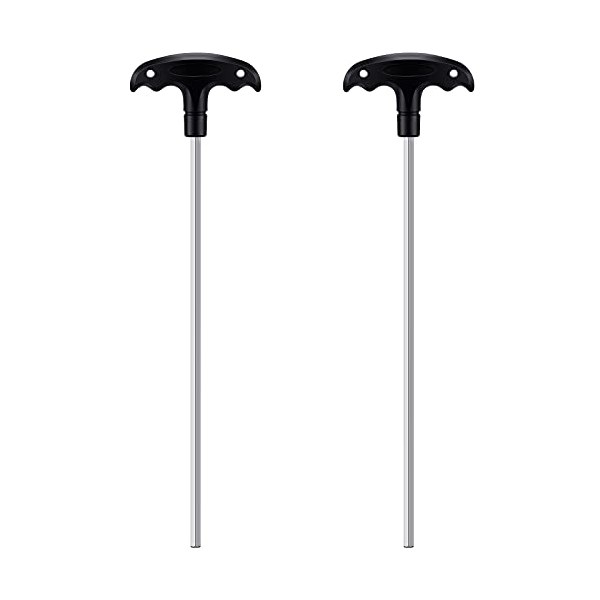 Pool Safety Cover Hex Key Tool (2-Pack)
Hex keys to install or remove a pool safety cover. View on Amazon →
Pool Safety Cover Hex Key Tool (2-Pack)
Hex keys to install or remove a pool safety cover. View on Amazon →
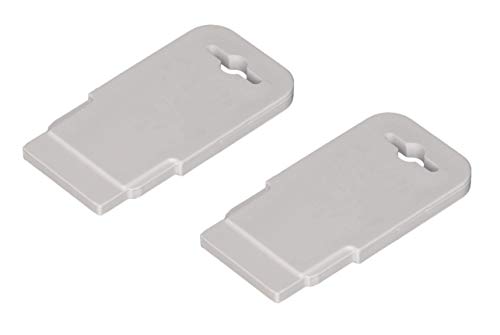 Pool Eyeball / Return Jet Fitting Removal Tool (ATIE)
Pops out & reseats Hayward SP1419 return-jet eyeballs — handy for closing. View on Amazon →
Pool Eyeball / Return Jet Fitting Removal Tool (ATIE)
Pops out & reseats Hayward SP1419 return-jet eyeballs — handy for closing. View on Amazon →
Still need help? Ask a Pool & Spa Expert AD
Get a personalized answer from PoolGuy810 — 30 years owning a pool and spa repair company. Describe your issue and get step-by-step help.
Need More Help?
Try our free pool calculators and tools to help diagnose and fix your pool problems.
Browse Pool ToolsSLAM calculator, pH calculator, salt dosing & more