
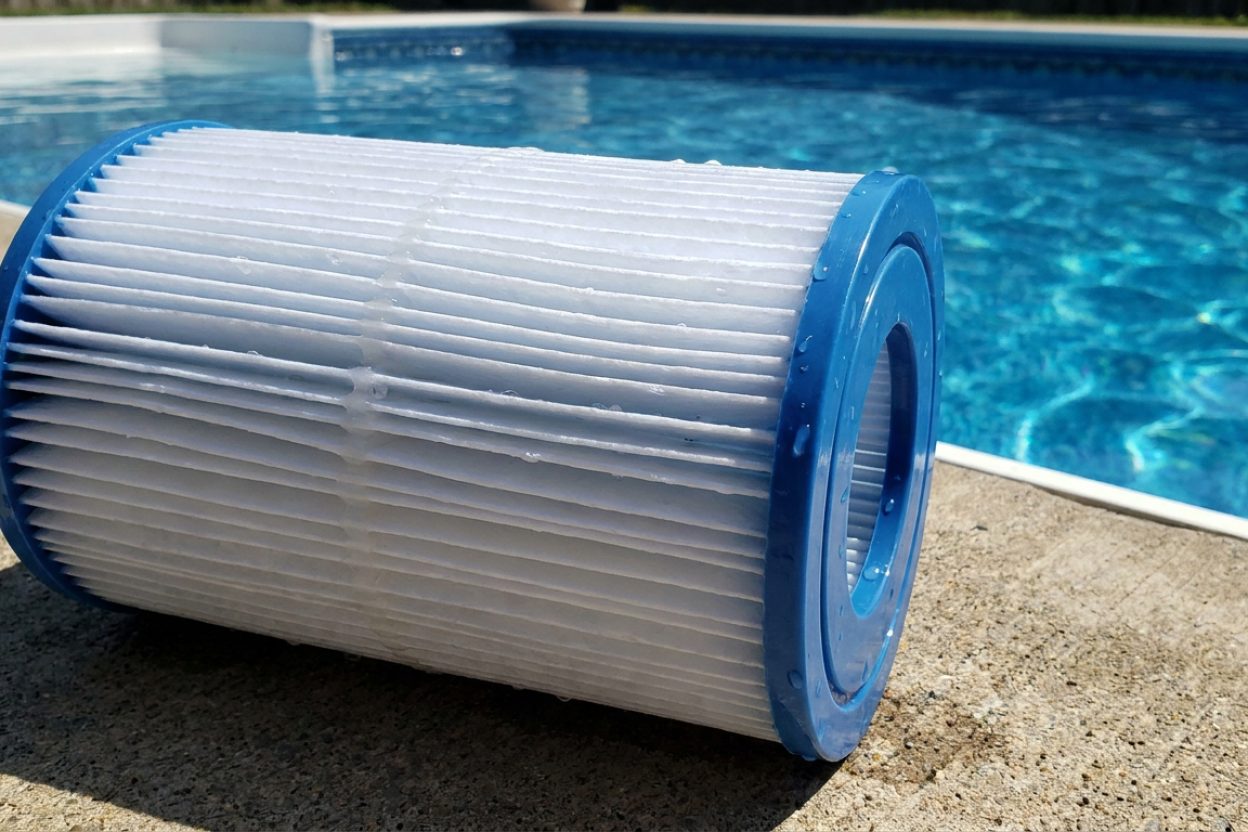
Do I Need to Backwash a Cartridge Filter? Complete Guide

Can you backwash a cartridge filter?
Read full question
Around $150 is what my pool store quoted to service my cartridge filter and I'm wondering if I can just backwash it myself like other filters. Is this possible or do I need to clean it differently?
Quick Answer
No, you cannot backwash a cartridge filter. Unlike sand or DE filters, cartridge filters must be physically removed from the housing and cleaned manually with water or filter cleaner.
Step-by-Step Cartridge Filter Cleaning Process
Since cartridge filters require manual cleaning rather than backwashing, follow this proper maintenance procedure:
- Turn off the pool pump and system - Never attempt to remove cartridge filters while the system is running. Switch off the pump at the breaker or timer to ensure complete shutdown.
- Release system pressure - Most cartridge filter housings have a pressure relief valve on top. Turn this valve counterclockwise to release built-up pressure in the system. You should hear air escaping.
- Remove the filter housing lid - Depending on your system, this may involve unscrewing a threaded lid, removing clamp-style fasteners, or lifting off a twist-lock lid. Some systems use a large band clamp that requires loosening.
- Lift out the cartridge filter(s) - Most residential systems have 1-4 cartridge filters inside the housing. Carefully lift each filter straight up, noting their orientation for proper reinstallation.
- Perform initial rinse - Using a standard garden hose, spray each cartridge from top to bottom, working between the pleats to remove loose debris. Start with lower pressure to avoid pushing debris deeper into the filter media.
- Deep clean with a garden hose - Use a straight-flow or sweeper nozzle (or a filter-flosser tool) and spray between each pleat fold at about a 45° angle. Work systematically around the entire circumference of each filter, ensuring you clean both sides of every pleat. Never use a pressure washer — even on a low setting it tears the pleat fabric and is not recommended by any cartridge manufacturer.
- Apply filter cleaner if needed - For heavily soiled filters or those with oil/sunscreen buildup, soak the cartridge overnight (6+ hours) in a dedicated cartridge filter cleaner such as Natural Chemistry Filter Perfect or Leisure Time Filter Clean, submerged in a bucket or trash can per the product's dilution directions.
- Final rinse and inspection - Thoroughly rinse all cleaner residue from the filters. Inspect each pleat for tears, fraying, or permanent discoloration that indicates the filter needs replacement.
- Reinstall clean filters - Place the clean (or replacement) filters back into the housing in the same orientation they were removed. Ensure they seat properly at the bottom of the housing.
- Replace the housing lid - Carefully reinstall the lid, ensuring any o-rings or gaskets are properly seated. Tighten according to manufacturer specifications - usually hand-tight plus a quarter turn.
- Restart the system - Turn the pump back on and check for proper water flow. Monitor the pressure gauge - it should read lower than before cleaning, typically 8-12 PSI when clean.
Why Cartridge Filters Can't Be Backwashed
Understanding why backwashing doesn't work with cartridge filters helps explain proper maintenance:
- Physical filtration method - Cartridge filters use pleated fabric or paper media that physically traps particles in the material fibers, unlike sand filters that trap debris in the sand bed
- One-way water flow - These systems are designed for water to flow through the cartridge material in one direction only
- No backwash valve - Cartridge filter systems don't include the multiport or push-pull valve necessary for reversing water flow
- Pleated design - The accordion-style pleats would collapse or become damaged under reverse pressure
Maintenance Schedule and Best Practices
Proper cartridge filter maintenance requires a different approach than backwashable filters:
Cleaning Frequency
- Monitor pressure gauge - Clean filters when pressure rises 8-10 PSI above the clean starting pressure
- Visual inspection - Check filters every 2-3 weeks during swimming season for visible debris accumulation
- Typical cleaning interval - Most pools require filter cleaning every 4-6 weeks under normal conditions
- Heavy use adjustment - Clean more frequently during periods of heavy bather load, storms, or algae treatment
Rotation System Benefits
Professional pool technicians recommend maintaining two sets of cartridge filters:
- Install first set - Use one set of clean filters in your system
- Clean and dry second set - Keep the alternate set clean and completely dry
- Rotate monthly - Switch sets monthly, allowing each set to dry completely between uses
- Extended filter life - This rotation system can double the lifespan of your cartridge filters
When to Replace Cartridge Filters
Even with proper maintenance, cartridge filters eventually need replacement:
- Visible damage - Replace filters with torn or frayed pleats immediately
- Permanent discoloration - Filters that remain discolored after thorough cleaning are reaching end of life
- Shortened clean cycles - When filters require cleaning more frequently despite proper maintenance
- Replace on performance, not a calendar - Most residential cartridge elements last 2-5 years; replace when performance degrades or damage is visible, not on a fixed annual schedule
Troubleshooting Common Issues
High pressure immediately after cleaning: Ensure all pleats were thoroughly rinsed and no filter cleaner residue remains. Check that filters are properly seated in the housing.
Short time between cleanings: This may indicate inadequate cleaning technique, oversized bather load, or the need for water chemistry adjustment to reduce contaminant levels.
Algae breakthrough: If algae passes through clean filters, consider upgrading to filters with smaller micron ratings or address underlying water chemistry issues using the SLAMShock Level And Maintain — raise free chlorine to a target based on your CYA and hold it there until the algae is gone. It's a process, not a one-time dose. the SLAM walkthrough → method. With a cartridge filter (no waste port), clean the element frequently during a SLAM, since you cannot vacuum dead algae out to waste.
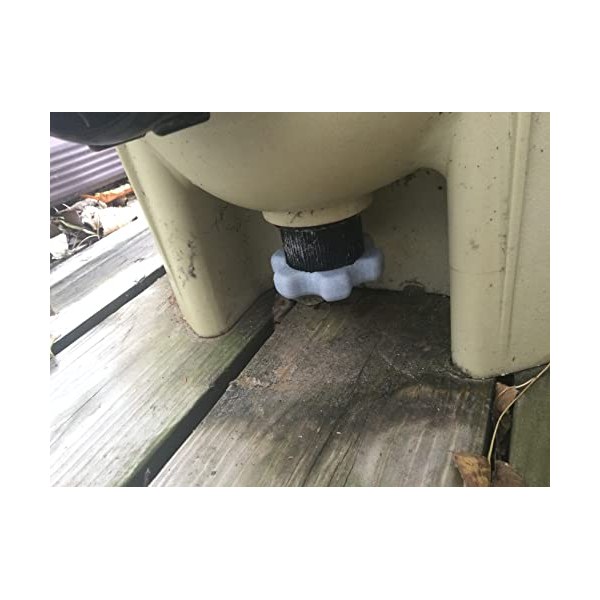 Filter Drain Plug Wrench (Pentair Clean & Clear/FNS)
Grips the drain plug on Pentair Clean & Clear and FNS filters. View on Amazon →
Filter Drain Plug Wrench (Pentair Clean & Clear/FNS)
Grips the drain plug on Pentair Clean & Clear and FNS filters. View on Amazon →
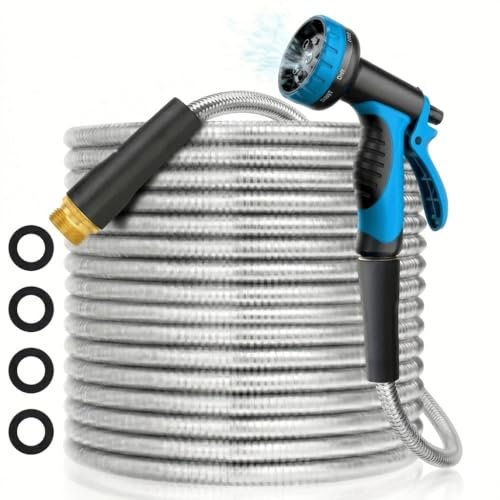 50 ft Flexible Metal Garden Hose (Kink-Free)
Durable hose for filling, priming, and rinsing equipment. View on Amazon →
50 ft Flexible Metal Garden Hose (Kink-Free)
Durable hose for filling, priming, and rinsing equipment. View on Amazon →
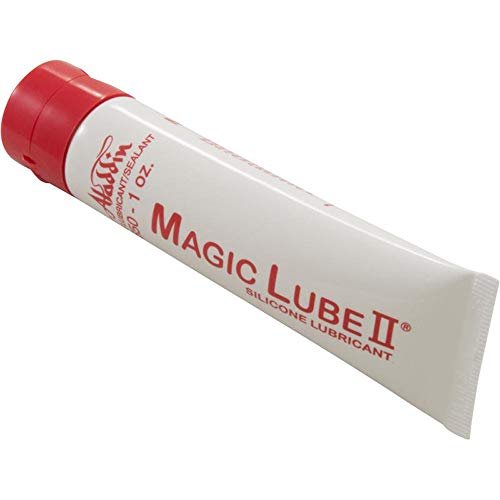 Aladdin Magic Lube II — Pool O-Ring & Gasket Silicone Lubricant (1 oz)
Waterproof silicone lube that keeps pump-lid and valve O-rings sealed and pliable — the usual cure for lost prime. View on Amazon →
Aladdin Magic Lube II — Pool O-Ring & Gasket Silicone Lubricant (1 oz)
Waterproof silicone lube that keeps pump-lid and valve O-rings sealed and pliable — the usual cure for lost prime. View on Amazon →
Still need help? Ask a Pool & Spa Expert AD
Get a personalized answer from PoolGuy810 — 30 years owning a pool and spa repair company. Describe your issue and get step-by-step help.
Related Pool Guides
Need More Help?
Try our free pool calculators and tools to help diagnose and fix your pool problems.
Browse Pool ToolsSLAM calculator, pH calculator, salt dosing & more