
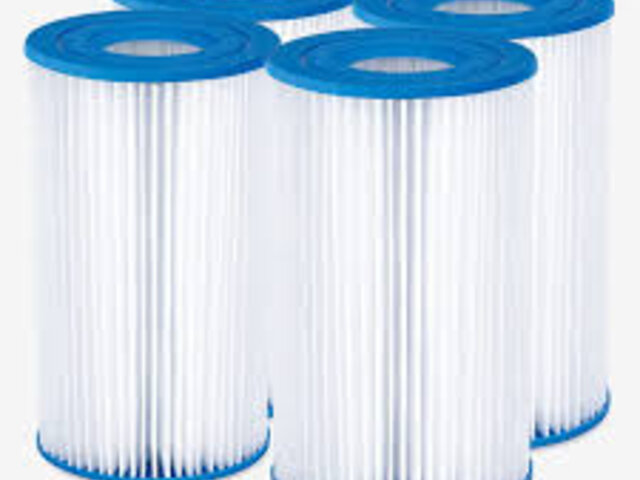
Can You Clean Pool Filters with Vinegar? Complete Guide

New pool owner - can I use vinegar to clean my filter?
Read full question
Looked at my pool filter after buying my first house and honestly have zero clue if I need some expensive cleaner or if vinegar works. My cartridge filter has some white buildup on it that looks like calcium deposits, and I've heard people mention using vinegar as a cleaner around the house.
Is it safe to clean pool filters with vinegar? If so, how would I go about doing it? The pool store mentioned something about different types of filters having different cleaning methods, so I want to make sure I don't damage anything. Any guidance would be really appreciated!
Quick Answer
Yes, you can clean pool filters with vinegar, but only cartridge and DE filters - never sand filters. Use a 1:1 vinegar to water solution for calcium buildup removal, but this method works only for mineral deposits, not organic contaminants.
Which Pool Filters Can Use Vinegar
Understanding your filter type is crucial before using vinegar:
- Cartridge Filters: Perfect for vinegar cleaning - the pleated material responds well to acid treatment
- DE (Diatomaceous Earth) Filters: Safe to use vinegar on the grids after removing DE powder
- Sand Filters: Vinegar is not useful for sand filters — you cannot remove and soak the sand, and anything poured through simply lowers pH without cleaning the bed
Why Vinegar Works on Pool Filters
Vinegar contains acetic acid (typically 4-6%), making it a mild acid that dissolves calcium carbonate scale and mineral deposits. When your pool's pH runs high consistently, or if you have hard water with high calcium hardness (over 400 ppm), calcium scale builds up on filter media, reducing filtration efficiency.
However, vinegar has limitations. It cannot remove:
- Body oils and sunscreen residue
- Organic debris and algae
- Deep-seated dirt and particulate matter
- Metal staining from iron or copper
Step-by-Step Vinegar Filter Cleaning Process
Materials Needed
- White distilled vinegar (don't use flavored or colored varieties)
- Large plastic container or bucket
- Garden hose with spray nozzle
- Soft brush (old toothbrush works well)
- Rubber gloves
Cleaning Procedure
- Remove and Pre-Rinse: Turn off power to the pool pump at the breaker and remove the filter cartridge or DE grids. Rinse with high-pressure water to remove loose debris and organic matter first.
- Prepare Vinegar Solution: Mix equal parts white vinegar and water in a container large enough to submerge your filter. For heavily scaled filters, you can use undiluted vinegar.
- Soak the Filter: Submerge the filter completely in the vinegar solution. Let cartridge filters soak for 2-4 hours, or overnight for severe calcium buildup. DE grids typically need 1-2 hours.
- Scrub Gently: After soaking, use a soft brush to gently scrub between pleats or grid sections. The acid will have loosened the scale, making removal easier.
- Rinse Thoroughly: Rinse the filter completely with clean water until you no longer smell vinegar. This step is crucial - residual acid can affect your pool's pH balance.
- Final Inspection: Check that water flows freely through all sections of the filter before reinstalling.
When to Use Vinegar vs. Other Cleaning Methods
Vinegar cleaning works best when you notice:
- White, chalky buildup on filter pleats
- Reduced water flow through the filter
- Pressure gauge reading 8-10 psi higher than clean filter baseline
- Hard water conditions in your area
For comprehensive filter cleaning, alternate methods monthly:
- Week 1: High-pressure rinse only
- Week 2: High-pressure rinse only
- Week 3: High-pressure rinse only
- Week 4: Vinegar treatment for mineral deposits
Safety Considerations and Warnings
Important safety notes:
- Rinse chlorine residue from filters before soaking them in vinegar, and keep acids separate from chlorine products — at filter-cleaning dilutions vinegar will not produce a dangerous gas cloud, but separating acids and chlorine is good practice
- Ensure filters are completely rinsed before returning to pool system
- Wear gloves to protect skin from prolonged acid exposure
- Work in well-ventilated areas
Frequency and Maintenance Tips
Use vinegar cleaning monthly if you have hard water (calcium hardness above 300 ppm), or every 6-8 weeks for moderate hardness levels. Monitor your pool's calcium hardness with a reliable test kit like the Taylor K-2006 - maintaining levels around 250-350 ppm for plaster pools (175-225 ppm for vinyl and fiberglass pools) reduces scale formation on filters.
Consider switching to liquid chlorine instead of cal-hypo shock to reduce calcium additions to your pool water.
Signs Your Filter Needs Replacement
Even with proper vinegar maintenance, filters eventually need replacement. Replace cartridge filters when:
- Pleats remain discolored after cleaning
- Fabric feels mushy or deteriorated
- End caps show cracking
- Filter has been in use beyond 2-5 years
Vinegar cleaning can extend filter life significantly, but it's not a permanent solution for worn-out filter media.
For the full breakdown of safe chlorine levels by CYACyanuric Acid (stabilizer) — Sunscreen for your chlorine — it keeps sunlight from burning it off. The catch: the more you have, the more chlorine you need to keep. learn more → level, see our pool water chemistry guide.
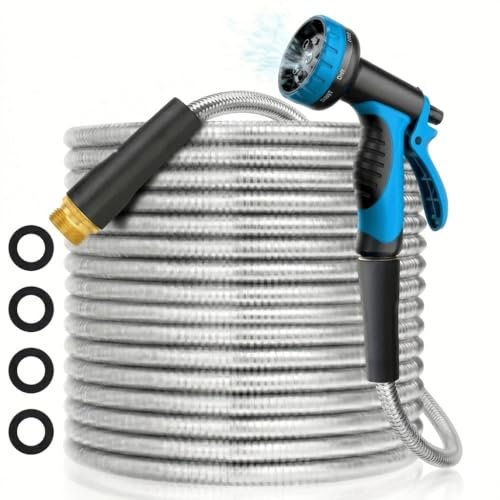 50 ft Flexible Metal Garden Hose (Kink-Free)
Durable hose for filling, priming, and rinsing equipment. View on Amazon →
50 ft Flexible Metal Garden Hose (Kink-Free)
Durable hose for filling, priming, and rinsing equipment. View on Amazon →
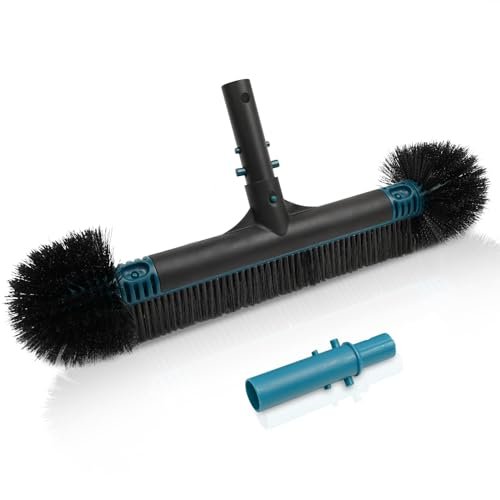 Poolvio 20" 2-in-1 Pool Brush Head (Walls & Floor)
Sturdy 20-inch brush head that clips onto any standard telescopic pole. View on Amazon →
Poolvio 20" 2-in-1 Pool Brush Head (Walls & Floor)
Sturdy 20-inch brush head that clips onto any standard telescopic pole. View on Amazon →
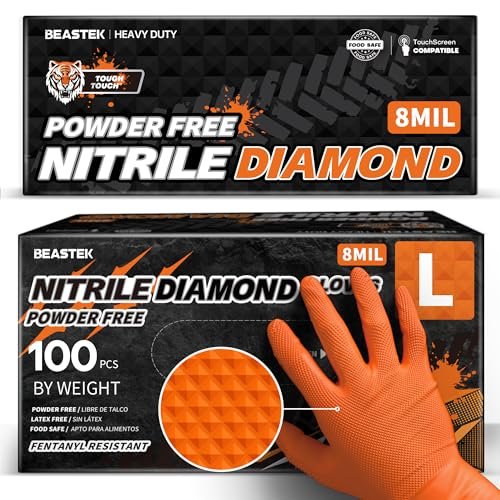 Beastek 8-mil Chemical-Resistant Nitrile Gloves
Disposable nitrile gloves for safe handling of pool chemicals. View on Amazon →
Beastek 8-mil Chemical-Resistant Nitrile Gloves
Disposable nitrile gloves for safe handling of pool chemicals. View on Amazon →
Still need help? Ask a Pool & Spa Expert AD
Get a personalized answer from PoolGuy810 — 30 years owning a pool and spa repair company. Describe your issue and get step-by-step help.
Related Pool Guides
Need More Help?
Try our free pool calculators and tools to help diagnose and fix your pool problems.
Browse Pool ToolsSLAM calculator, pH calculator, salt dosing & more