
Do DE Pool Filters Need Backwash? Complete Guide + When

My DE filter pressure is through the roof - do I need to backwash?
Read full question
Around six months ago I moved into a rental with a DE pool filter that I've never dealt with before and I'm completely lost on whether it needs backwashing. My DE pool filter's pressure gauge has shot up from the normal 12 PSI to about 22 PSI over the past month, and I'm wondering if this means I need to backwash the thing. I've been putting off maintenance because honestly, I'm not even sure how often these DE filters are supposed to be backwashed.
The water clarity has been decent but the high pressure is making me nervous that I'm about to have a bigger problem on my hands. How often should I actually be backwashing this filter, and is there anything special I need to do after backwashing a DE system? I really don't want to mess this up and create an even bigger headache.
Quick Answer
Yes, diatomaceous earth (DE) pool filters require regular backwashing, typically every 4-6 weeks or when the pressure gauge reads 8-10 PSI above the clean starting pressure. After backwashing, you must add fresh DE powder to recharge the filter.
Understanding DE Filter Backwashing Requirements
DE filters are highly efficient filtration systems that trap particles as small as 2-5 microns, making them superior to sand and cartridge filters for water clarity. However, this efficiency comes with specific maintenance requirements that differ significantly from other filter types.
The diatomaceous earth coating on your filter grids becomes clogged with debris over time, creating back-pressure that reduces water flow and filtration effectiveness. Backwashing reverses the water flow to flush out the dirty DE and accumulated contaminants, but this process flushes out most of the dirty DE, but not all of it — some always remains coating the grids.
When to Backwash Your DE Filter
Pressure Gauge Method
The most reliable indicator for backwashing is your pressure gauge reading. When you first start your system with clean DE, note the pressure reading - this is your baseline. Backwash when the pressure increases 8-10 PSI above this clean starting pressure. For example, if your clean pressure is 12 PSI, backwash when it reaches 20-22 PSI.
Time-Based Schedule
Even without high pressure readings, backwash your DE filter every 4-6 weeks during swimming season. Heavy bather loads, storms, or algae treatments may require more frequent backwashing. Pool professionals recommend never going longer than 8 weeks without backwashing, regardless of pressure readings.
Visual and Performance Indicators
- Reduced water flow from return jets
- Difficulty maintaining clear water despite proper chemical balance
- Shortened time between chemical adjustments
- Visible dirt or debris returning to the pool
Complete DE Filter Backwashing Process
Preparation Steps
- Turn off your pool pump and allow the system to depressurize
- Have fresh DE powder ready - you'll typically need the manufacturer-specified amount of DE for your filter size (see calculations below)
- Ensure your multiport valve is easily accessible
- Check that your backwash hose is properly connected and directed to an appropriate drainage area
Backwashing Procedure
- Turn the multiport valve to "Backwash" position (never move valve while pump is running)
- Start the pump and run for 2-3 minutes until the water in the sight glass runs clear
- Turn off the pump
- Move valve to "Rinse" position
- Run pump for 30-60 seconds to flush remaining dirty water and DE out of the tank to waste so it doesn't return to the pool when you resume filtering
- Turn off pump and return valve to "Filter" position
Recharging with Fresh DE
This step is critical and often overlooked by pool owners. After backwashing, your grids have lost most of their DE coating and filter poorly until recharged:
- Start the pump in normal filter mode
- Slowly add about 80% of the full-charge amount (since backwashing leaves some DE behind) through the skimmer closest to your equipment
- Add DE gradually over 5-10 minutes to ensure even distribution
- Weigh the DE to the recommended amount rather than just adding until the pressure looks right
DE Powder Calculation and Types
The amount of DE needed varies by filter size. Check your filter manual for exact specifications, but general guidelines are:
- 24 square feet: 2-3 pounds DE
- 36 square feet: 3-4 pounds DE
- 48 square feet: 4-5 pounds DE
- 60 square feet: 5-6 pounds DE
Use only pool-grade diatomaceous earth, not garden-grade DE which can damage your equipment. Popular brands include Celite and Leslie's DE powder. Some pool owners use DE alternatives like Perlite, which can be backwashed to waste treatment facilities where DE is restricted.
Common DE Filter Backwashing Mistakes
Forgetting to Recharge
Never run your DE filter without DE powder. This forces unfiltered water directly into your pool and can damage the filter grids. Always add fresh DE immediately after backwashing.
Using Too Much or Too Little DE
Excessive DE can cause rapid pressure buildup and poor water flow. Insufficient DE provides inadequate filtration. Measure carefully and add gradually while monitoring pressure.
Inadequate Backwash Duration
Rushing the backwash process leaves contaminated DE on the grids. Continue backwashing until the sight glass water runs clear, typically 2-3 minutes minimum.
Deep Cleaning Requirements
Backwashing alone isn't sufficient long-term maintenance. Every 3-4 backwash cycles, or at least twice per season, perform a complete filter breakdown:
- Remove and disassemble the filter tank
- Degrease the grids first in a filter-cleaner or dishwasher-detergent soak; only use a diluted muriatic acid rinse (1 part acid to 20 parts water - always add acid to water, never water to acid, and ensure adequate ventilation and proper safety equipment) afterward if mineral scale remains, since acid on un-degreased fabric can set oils into the grids permanently
- Rinse thoroughly with a hose
- Inspect grids for tears or damage
- Reassemble and recharge with fresh DE
Troubleshooting DE Filter Issues
If your DE filter requires frequent backwashing (more than weekly), investigate these potential causes:
- Damaged or worn filter grids allowing DE to pass through
- Improperly assembled filter tank
- Poor water chemistry causing excessive contaminant buildup
- Undersized filter for your pool volume
Safety Warning: Always turn off the pump before moving the multiport valve. Operating the valve under pressure can damage the equipment and create safety hazards.
Regular backwashing keeps your DE filter operating at peak efficiency, ensuring crystal-clear water and optimal circulation. Combined with proper water chemistry maintenance using quality test kits like Taylor K-2006, your DE filter will provide superior filtration for years of swimming enjoyment.
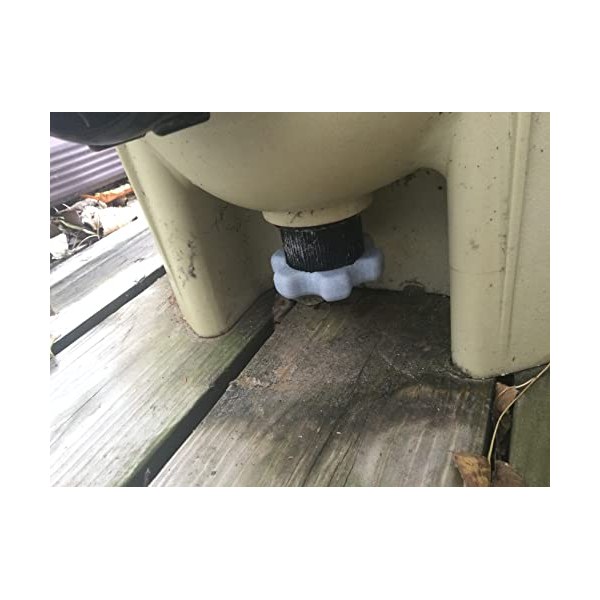 Filter Drain Plug Wrench (Pentair Clean & Clear/FNS)
Grips the drain plug on Pentair Clean & Clear and FNS filters. View on Amazon →
Filter Drain Plug Wrench (Pentair Clean & Clear/FNS)
Grips the drain plug on Pentair Clean & Clear and FNS filters. View on Amazon →
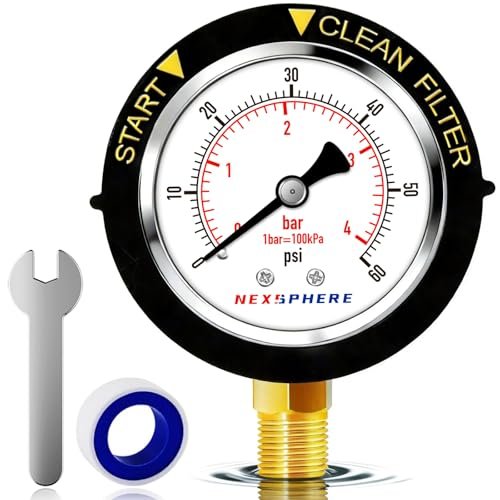 NexSphere Pool Filter Pressure Gauge, 0–60 PSI, 2 in Dial
Replacement back-mount gauge so you can read filter pressure and know when to backwash. View on Amazon →
NexSphere Pool Filter Pressure Gauge, 0–60 PSI, 2 in Dial
Replacement back-mount gauge so you can read filter pressure and know when to backwash. View on Amazon →
Still need help? Ask a Pool & Spa Expert AD
Get a personalized answer from PoolGuy810 — 30 years owning a pool and spa repair company. Describe your issue and get step-by-step help.
Related Pool Guides
Need More Help?
Try our free pool calculators and tools to help diagnose and fix your pool problems.
Browse Pool ToolsSLAM calculator, pH calculator, salt dosing & more