
How Long Do Above Ground Pool Pumps Last? Lifespan Guide

What's the typical lifespan of above ground pool pumps?
Read full question
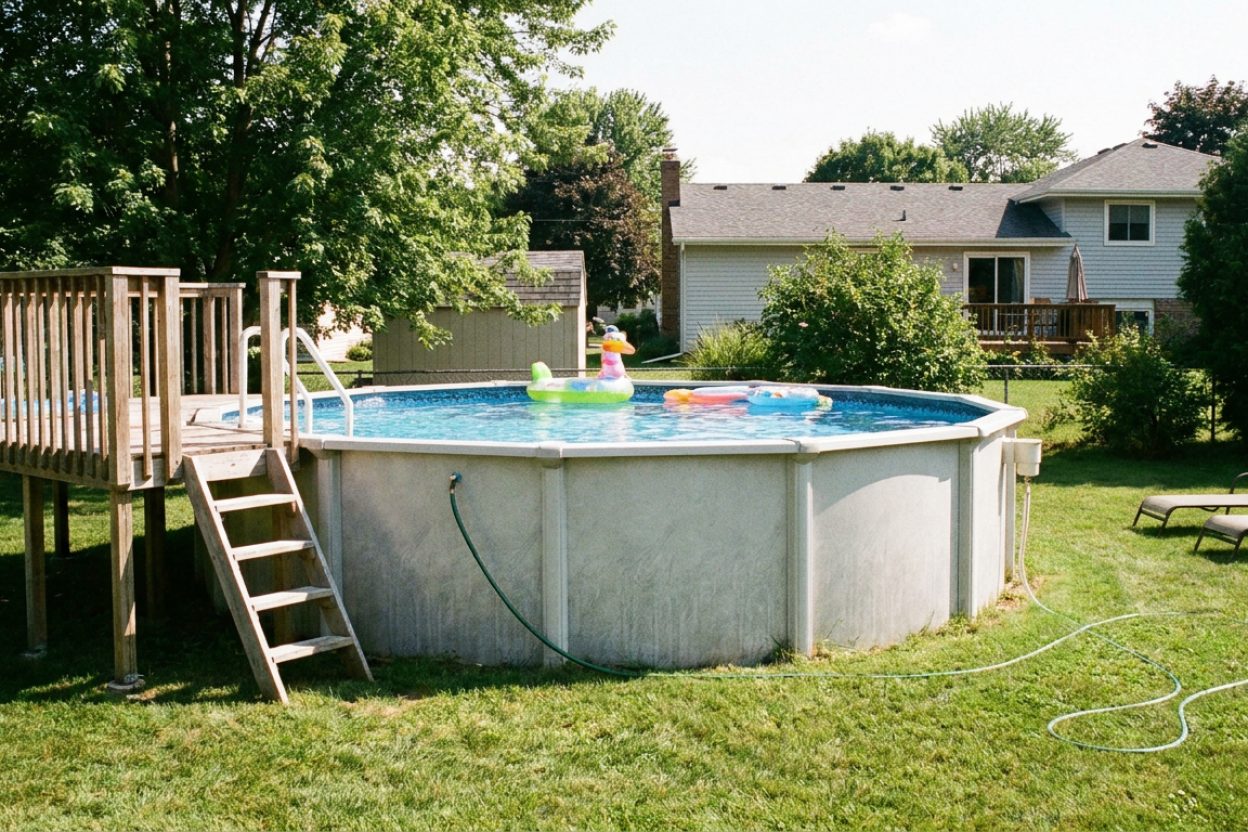
The weird grinding noises coming from my above ground pool pump have me worried it's dangerous - with my kids swimming daily, could this thing fail completely and hurt someone? My current setup is a 24-foot round pool (about 13,500 gallons) that gets moderate use during our 5-month swimming season. I maintain proper chemical balance with chlorine levels around 1-3 ppm and pH between 7.2-7.6.
I'm particularly interested in whether there's a significant difference in longevity between budget pumps (around $200-300) versus higher-end models ($500-800). My current pump is about 4 years old and starting to make some noise, so I'm wondering if I should be preparing for replacement soon or if it might have several more years left. What factors most affect pump lifespan - is it mainly about build quality, or does maintenance and usage patterns play a bigger role?
Quick Answer
Above ground pool pumps typically last about 8-12 years with good care, though many run shorter (5-10 years) because they're lighter-duty and more exposed. Higher-end pumps — especially well-maintained models — can exceed 15 years, while budget models may only last 3-5 years.
Step-by-Step Assessment of Pool Pump Lifespan
- Evaluate Your Current Pump Type and Quality
Start by identifying what type of pump you have. Single-speed pumps are the most common for above ground pools but are less efficient. Variable-speed pumps cost more initially but typically last longer due to reduced wear. Check the manufacturer - brands like Pentair, Hayward, and Jandy generally offer better longevity than generic models. Look for the horsepower rating; most above ground pools use 0.5 to 1.5 HP pumps. - Calculate Your Pump's Current Age and Usage Hours
Determine when your pump was installed and estimate daily runtime hours. Most above ground pool pumps should run 8-12 hours daily during swimming season. A pump running 10 hours daily for 6 months yearly accumulates about 1,800 hours annually. Quality pumps are typically rated for 15,000-25,000 operating hours, which translates to 8-12 years under normal usage. - Assess Environmental Factors Affecting Lifespan
Consider your local climate conditions. Pumps in consistently hot climates (Arizona, Florida) typically have shorter lifespans due to increased motor stress. Areas with frequent electrical storms may experience more electrical component failures. Coastal locations with salt air can cause faster corrosion of metal components. Indoor pump installations generally last longer than outdoor exposed units. - Review Maintenance History and Practices
Document your maintenance routine. Pumps with regular maintenance typically last 2-3 years longer than neglected units. Check if you've been maintaining proper water chemistry - unbalanced water causes premature seal and impeller wear. Review filter cleaning frequency; dirty filters force pumps to work harder, reducing lifespan. Note any previous repairs like seal replacements or motor rebuilds. - Identify Warning Signs of Pump Deterioration
Listen for unusual noises like grinding, squealing, or excessive vibration, which indicate bearing wear or motor problems. Check for water leaks around the pump housing or motor, suggesting seal failure. Monitor for decreased flow rate or pressure, indicating impeller wear or blockages. Note any electrical issues like frequent tripping of circuit breakers or difficulty starting. - Compare Replacement vs. Repair Costs
Research current replacement costs for your pump size and type. Basic single-speed pumps range from around $150-$300, while entry-level variable-speed models cost around $300-$600, and premium smart pumps with full automation and connectivity can reach around $600-$900. Compare this to repair estimates - generally, if repairs exceed 50% of replacement cost, or if the pump is past about 10-12 years old, replacement is more economical. Consider energy savings of newer, more efficient models.
Factors That Extend Pump Lifespan
Proper Chemical Balance
Maintaining correct water chemistry significantly extends pump life. Keep pH between 7.2-7.6 to prevent corrosion of metal components. Maintain total alkalinity at 80-120 ppm to buffer pH changes. Monitor calcium hardness at 175-225 ppm for vinyl liner above ground pools (250-350 ppm for plaster surfaces) - too low causes corrosion, too high causes scaling. Test water 2-3 times weekly and adjust chemicals promptly using liquid chlorine rather than harsh granular shock.
Regular Maintenance Schedule
Clean skimmer baskets weekly and pump strainer baskets bi-weekly to maintain proper flow. Clean or backwash filters every 2-4 weeks depending on bather load and environmental debris (cartridge filters are cleaned, sand/DE filters are backwashed). Check manufacturer specifications for bearing maintenance - while many modern pumps have sealed bearings, some models still require periodic lubrication of serviceable bearings. Inspect and clean pump housing quarterly, removing any debris or buildup.
Proper Sizing and Installation
Ensure your pump is correctly sized for your pool volume. Oversized pumps work inefficiently and have shorter lifespans due to excessive cycling. Undersized pumps run continuously and wear out prematurely. For above ground pools, calculate turnover rate - your pump should circulate the entire pool volume in 8-10 hours.
Signs It's Time for Replacement
- Pump age exceeds 10-12 years with increasing repair frequency
- Motor makes grinding noises or struggles to start
- Consistent water leaks around seals despite recent repairs
- Electrical problems including frequent breaker trips
- Significantly reduced flow rate even with clean filters
- Repair costs exceed 50% of replacement cost
- Energy bills increase due to pump inefficiency
Maximizing Your Investment
When purchasing a new pump, invest in quality brands with good warranties. Variable-speed pumps, while more expensive initially, often pay for themselves through energy savings and typically last longer due to reduced operational stress. Consider upgrading to a larger strainer basket to reduce cleaning frequency and improve flow efficiency.
Safety Warning: Always turn off power at the breaker before performing any pump maintenance. Never operate the pump without water - dry running destroys seals and impellers within minutes.
For the full breakdown of safe chlorine levels by CYACyanuric Acid (stabilizer) — Sunscreen for your chlorine — it keeps sunlight from burning it off. The catch: the more you have, the more chlorine you need to keep. learn more → level, see our pool water chemistry guide.
Still need help? Ask a Pool & Spa Expert AD
Get a personalized answer from PoolGuy810 — 30 years owning a pool and spa repair company. Describe your issue and get step-by-step help.
Related Pool Guides
Need More Help?
Try our free pool calculators and tools to help diagnose and fix your pool problems.
Browse Pool ToolsSLAM calculator, pH calculator, salt dosing & more