
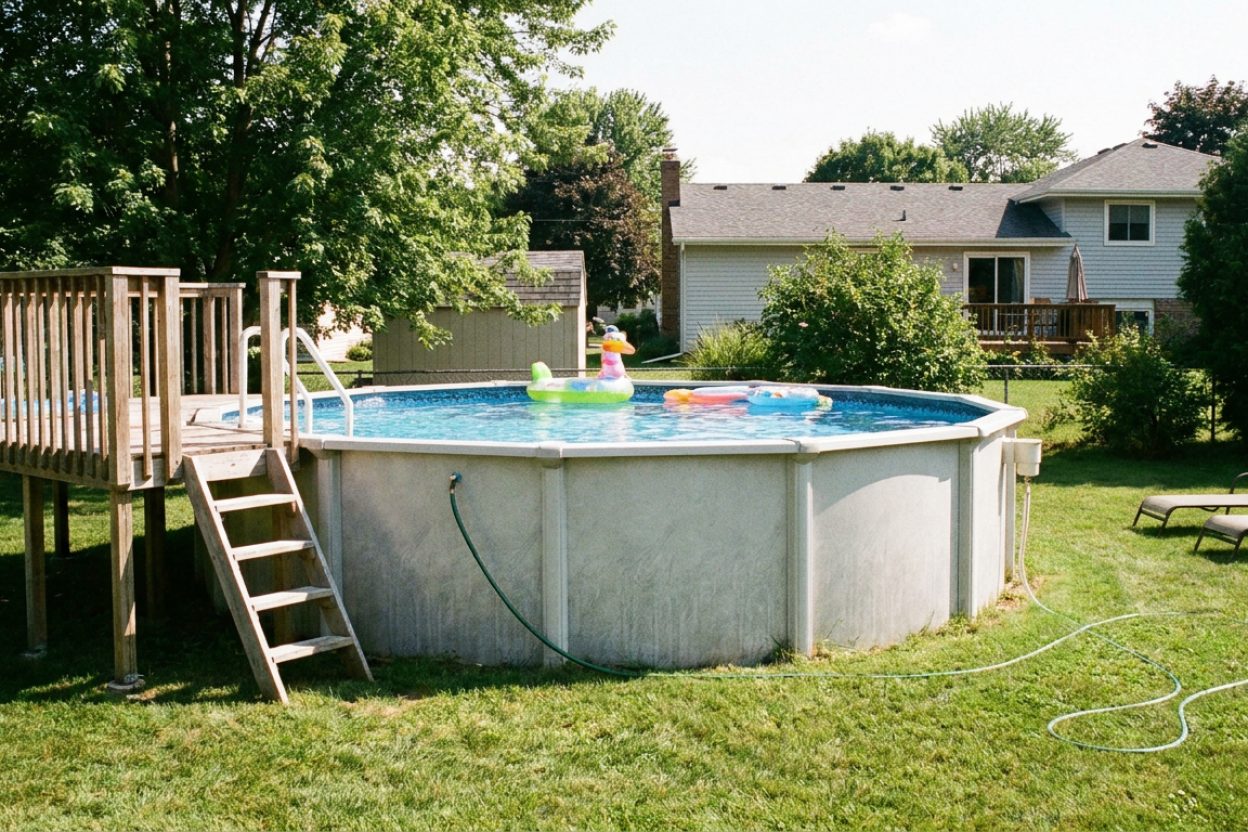
Above Ground Pool Permit Requirements in Florida 2026

Florida above ground pool permit - when do I need one?
Read full question
Three contractors quoted me $400 for permit fees to install an above ground pool in Florida and wondering if there's a way around needing one. Florida resident. Do I need a permit? What's the cutoff for size/depth? Don't want to deal with county issues later.
Quick Answer
In Florida, above ground pools typically require permits if they hold more than 5,000 gallons of water or are deeper than 24 inches. Requirements vary by county, so check with your local building department before installation.
Step-by-Step Process to Determine Permit Requirements
- Identify Your Local Jurisdiction
Contact your county building department or city hall to determine which agency handles pool permits in your area. In Florida, this varies between counties like Miami-Dade, Broward, Orange, and Hillsborough, each with different requirements. - Measure Your Pool Specifications
Before calling, have these details ready: pool diameter or dimensions, maximum water depth, total water capacity in gallons, and the exact location where you plan to install the pool on your property. - Check Setback Requirements
Most Florida jurisdictions require above ground pools to be set back a minimum distance from property lines, typically 5-10 feet. Some areas also require specific distances from septic systems, wells, or easements. - Verify Pool Capacity Thresholds
Many Florida counties exempt smaller pools from permit requirements. Common thresholds include pools under 5,000 gallons or those less than 24 inches deep, but this varies by location. - Review Fencing and Safety Requirements
Florida law requires pool barriers for any pool that can hold more than 24 inches of water. Above ground pools with walls at least 48 inches high may qualify as their own barrier, but removable ladders must be secured when not in use. - Prepare Required Documentation
If a permit is required, you'll typically need: a site plan showing pool location and setbacks, manufacturer specifications for the pool, proof of homeowner's insurance updates, and completed permit application forms. - Submit Application and Pay Fees
Permit fees for above ground pools vary widely by county - often $50-200, but some jurisdictions (e.g., the City of Orlando) run $400 or more, so a roughly $400 quote isn't necessarily inflated. Processing time is usually 5-10 business days for standard applications. - Schedule Required Inspections
Most jurisdictions require at least one inspection after installation to verify proper electrical connections, barrier compliance, and adherence to approved plans.
Common Exemptions and Special Cases
Temporary Pools
Some Florida counties exempt seasonal or temporary above ground pools that are removed during hurricane season or winter months. However, you must typically register these pools and still comply with safety requirements while in use.
Existing Pools
If you're replacing an above ground pool in the same location where one previously existed with proper permits, the process may be streamlined. Keep documentation from previous permits when possible.
HOA Considerations
Even if no county permit is required, your homeowners association may have additional approval processes. Check HOA covenants before purchasing your pool.
County-Specific Examples
Miami-Dade County
Requires permits for above ground pools over 5,000 gallons or 24 inches deep. Setback requirements are typically 5 feet from property lines and 10 feet from septic systems.
Orange County (Orlando)
Permits required for above-ground pools over 24 inches deep or 5,000 gallons (consistent with the statewide threshold); pools under both limits may be exempt. Electronic applications available online with faster processing times.
Pinellas County
Distinguishes between permanent and temporary installations, with different requirements for each category.
Safety and Legal Requirements
Electrical Considerations
Warning: All pool electrical work must be performed by licensed electricians and inspected, regardless of permit requirements. This includes pumps, lights, and any electrical connections within the required distances per NEC code (typically 5 feet for equipment, 22.5 feet for overhead lines over pool areas).
Insurance Implications
Installing a pool without required permits can void homeowner's insurance claims related to pool accidents. Always verify permit requirements before installation to protect yourself legally and financially.
Penalties for Non-Compliance
Installing an above ground pool without required permits can result in fines ranging from $100-500 per day in some Florida counties. You may also be required to remove the pool or obtain retroactive permits at higher costs.
Professional Installation Considerations
Reputable pool installation companies should handle permit applications as part of their service. If you're installing the pool yourself, factor permit research and application time into your project timeline.
Remember that permit requirements can change, so always verify current regulations with your local building department before beginning any pool installation project in Florida.
Still need help? Ask a Pool & Spa Expert AD
Get a personalized answer from PoolGuy810 — 30 years owning a pool and spa repair company. Describe your issue and get step-by-step help.
Related Pool Guides
Need More Help?
Try our free pool calculators and tools to help diagnose and fix your pool problems.
Browse Pool ToolsSLAM calculator, pH calculator, salt dosing & more