
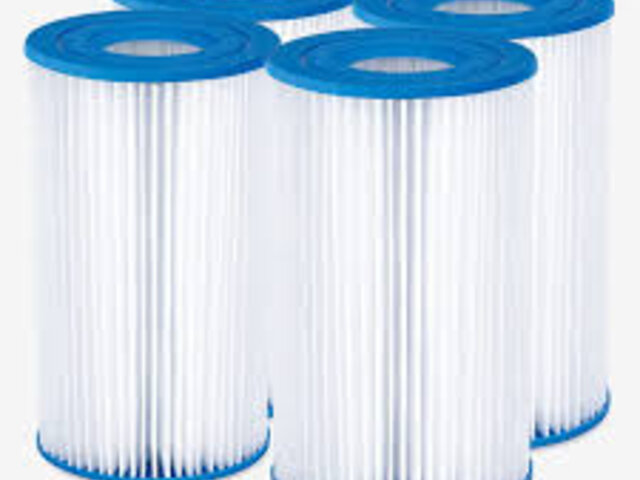
How to Tell If Your Pool Cartridge Filter Is Bad - 7 Signs

Signs my pool cartridge filter needs replacing?
Read full question
Nobody can explain why my test strips show perfect chemistry levels but my pool water looks like chocolate milk. Filter cartridge looks grayish and the pleats seem a bit beat up. Tried cleaning it but water quality isn't improving.
How do I know when it's actually time to replace the cartridge versus just needing a better cleaning? What should I be looking for?
Quick Answer
Your pool cartridge filter is bad if it shows brown/gray discoloration, has frayed pleats, won't clean after washing, or if your pool stays cloudy despite proper chemistry. Replace cartridge elements every 2-5 years (or sooner if pleats are torn/collapsed or it won't clean up); the 3-6 month interval is for cleaning, not replacement.
Quick Answer: Check These 7 Signs
Your cartridge filter is bad if you see any of these problems: brown/gray discoloration that won't wash out, frayed or collapsed pleats, fabric tears, persistent cloudiness despite balanced chemistry, reduced water flow, or the filter won't clean after normal washing. Most cartridge elements need replacement only every 2-5 years; the 3-6 month figure is a cleaning/rotation interval, not a replacement interval.
Visual Inspection Signs
The fastest way to determine if your cartridge filter is shot is through a simple visual inspection. Remove the filter from your system and examine it closely under good lighting.
Color Changes That Mean Replacement
Brown or gray discoloration is the most obvious sign your filter is done. New cartridge filters are bright white or off-white. When they turn brown, gray, or dingy yellow and won't return to white after cleaning, the filter media has absorbed oils, lotions, and contaminants that can't be removed. This typically happens after 3-4 months of regular use.
Green staining often indicates copper or algae contamination that's penetrated deep into the filter media. While you might remove surface green color with cleaning, the embedded particles will continue releasing contaminants back into your pool.
Physical Damage Assessment
Examine the pleated fabric carefully for these problems:
- Frayed or torn pleats - Look for loose threads, holes, or tears in the fabric
- Collapsed pleats - Pleats should maintain their accordion shape; flattened sections reduce filtration area
- Separated end caps - The plastic caps should be firmly attached with no gaps
- Crushed or deformed core - The inner plastic core should be straight and intact
Performance-Based Testing
The Clean Water Test
Even if your filter looks okay visually, performance issues indicate it's time for replacement. Start with proper water chemistry - your free chlorine should be the right level for your CYACyanuric Acid (stabilizer) — Sunscreen for your chlorine — it keeps sunlight from burning it off. The catch: the more you have, the more chlorine you need to keep. learn more → (typically 4-8 ppm for a stabilized outdoor pool), pH between 7.2-7.8, and total alkalinity 80-120 ppm for most pools.
With balanced chemistry, your water should clear within 24-48 hours after cleaning or replacing your cartridge filter. If cloudiness persists beyond this timeframe, and you've verified your chemistry is correct using a quality test kit like the Taylor K-2006, your filter likely can't capture particles effectively anymore.
Flow Rate Reduction
Monitor your pool's circulation patterns and skimmer suction. A clogged filter that won't clean properly will restrict water flow, reducing your pump's efficiency. You'll notice weaker skimmer suction, reduced return jet pressure, and longer circulation times needed to maintain water clarity.
The Cleaning Test Method
Try this definitive test when you're unsure about filter condition:
- Remove the cartridge and rinse thoroughly with your garden hose using a spray nozzle
- Soak in a filter cleaner solution (deep-cleaning enzyme cleaners like Natural Chemistry Filter Perfect call for a minimum 6-hour soak, preferably overnight)
- Rinse again and inspect the color and texture
- If the filter remains discolored, feels slimy, or has a strong chemical odor after cleaning, it's beyond recovery
Pro tip: Rotate between 2-3 sets of cartridge filters. While one set is in use, clean and air-dry the others. This extends filter life and ensures you always have clean filters ready.
Timing-Based Replacement Guidelines
Standard Replacement Schedule
Replace cartridge elements every 2-5 years under normal conditions (cleaning, by contrast, is every 1-4 weeks). Heavy use, frequent parties, or environmental factors like nearby construction can shorten element life toward the lower (1-2 year) end of that range and mean more frequent cleaning.
Factors That Accelerate Filter Degradation
- High bather load - More swimmers mean more oils, lotions, and contaminants
- Environmental debris - Trees, pollen, and dust increase filter workload
- Poor water balance - Low pH breaks down filter media faster
- Inadequate cleaning frequency - Dirty filters work harder and wear out quicker
Safety and Maintenance Tips
Safety first: Always turn off your pool pump before removing filters. Never run your filtration system without a filter installed, as debris can damage your pump impeller.
Keep detailed records of filter installation and cleaning dates. This helps you identify patterns and optimize your replacement schedule based on your pool's specific conditions.
What to Buy
When replacing cartridge filters, stick with your system manufacturer's specifications for size and micron rating. Popular brands like Hayward, Pentair, and Pleatco offer quality replacements. Always buy filters in sets of 2-3 to maintain proper rotation.
Remember that cheap, off-brand filters often use inferior materials that break down quickly, making them more expensive long-term despite lower initial costs.
For the full breakdown of safe chlorine levels by CYA level, see our pool water chemistry guide or use the FC/CYAFC/CYA chart — The chart that sets your chlorine target from your stabilizer (CYA) level — the two go together. see the chart → relationship — our all-in-one pool calculator estimates the free chlorine target for your CYA.
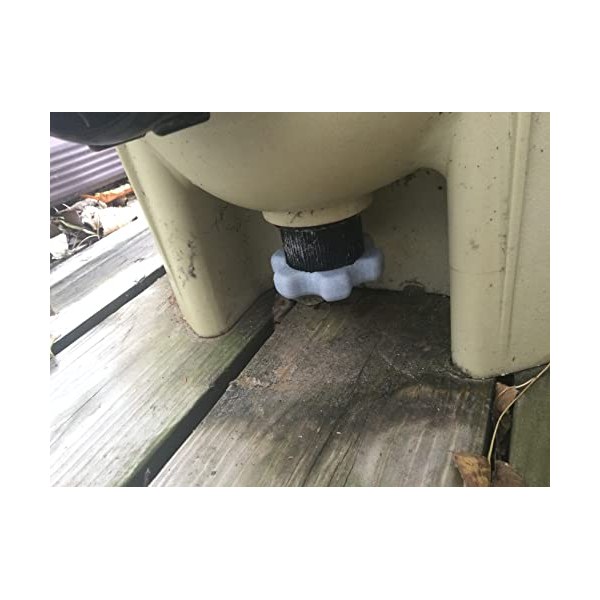 Filter Drain Plug Wrench (Pentair Clean & Clear/FNS)
Grips the drain plug on Pentair Clean & Clear and FNS filters. View on Amazon →
Filter Drain Plug Wrench (Pentair Clean & Clear/FNS)
Grips the drain plug on Pentair Clean & Clear and FNS filters. View on Amazon →
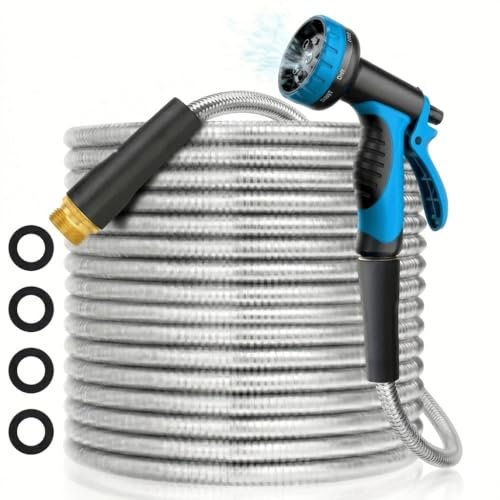 50 ft Flexible Metal Garden Hose (Kink-Free)
Durable hose for filling, priming, and rinsing equipment. View on Amazon →
50 ft Flexible Metal Garden Hose (Kink-Free)
Durable hose for filling, priming, and rinsing equipment. View on Amazon →
Still need help? Ask a Pool & Spa Expert AD
Get a personalized answer from PoolGuy810 — 30 years owning a pool and spa repair company. Describe your issue and get step-by-step help.
Related Pool Guides
Need More Help?
Try our free pool calculators and tools to help diagnose and fix your pool problems.
Browse Pool ToolsSLAM calculator, pH calculator, salt dosing & more