
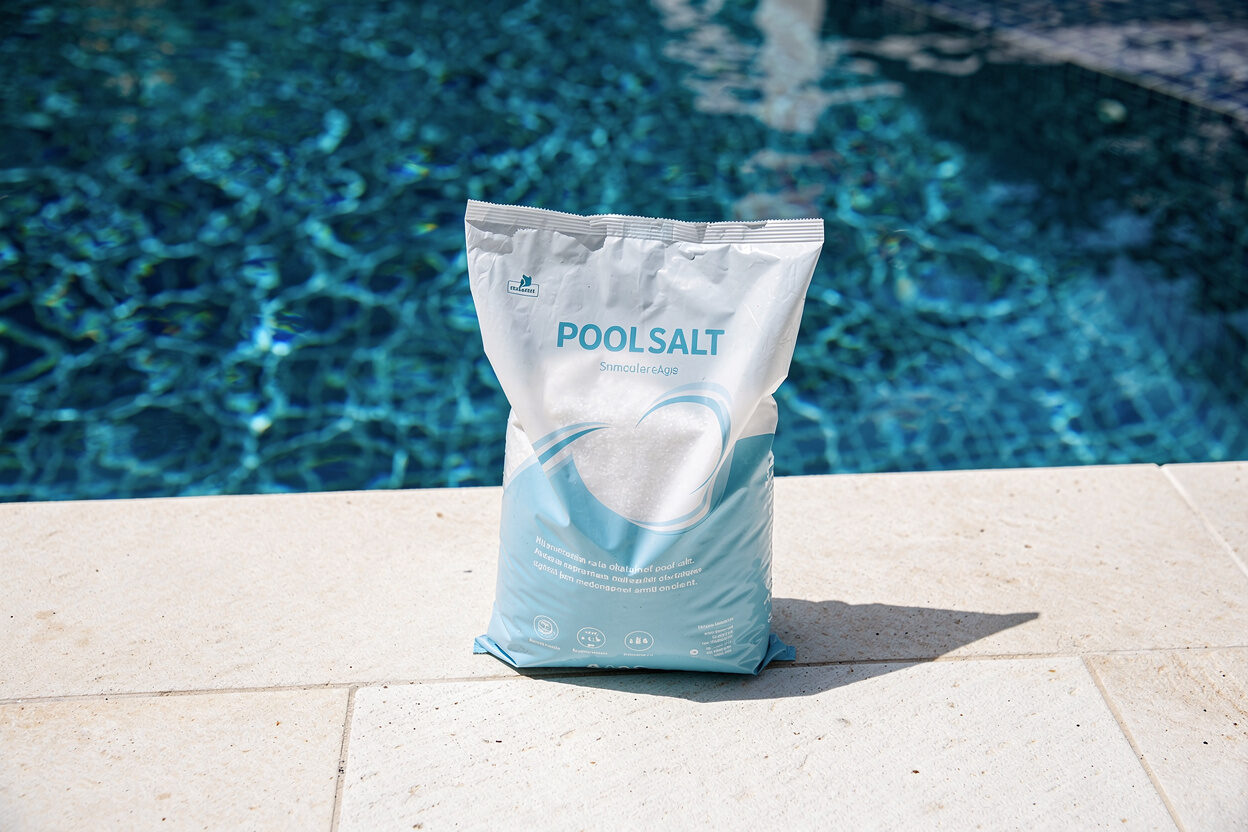
Can You Use Salt in Pool Without Saltwater System?

Adding salt to regular chlorine pool - bad idea?
Read full question
I've got a regular chlorine pool — just the standard setup with a skimmer, pump, and filter, and no saltwater chlorinator. A neighbor mentioned I could add some pool salt to the water to make it nicer to swim in. Before I dump a bunch of salt in, I want to make sure I'm not making a mistake: will adding salt actually do anything useful in a pool without a salt system, or am I just setting myself up for problems?
Quick Answer
You should not add salt to a regular chlorine pool without a saltwater system. Salt will not provide sanitization and can damage pool equipment while creating water balance issues. Instead, balance your water properly, use liquid chlorine, maintain proper CYA levels, consider a mineral system, or install a UV or ozone system. For true saltwater, install a saltwater chlorine generator and use pool-grade salt.
First, Let's Diagnose the Situation
It's a fair question to ask before dumping a bag of salt into the water. People usually wonder about it for one of a few reasons: they want softer-feeling water, they're trying to cut chemical costs, or they've heard saltwater pools are "gentler" and assume the salt itself is what does it. Whatever the reason, the short answer is the same.
The short answer is no, you should not add salt to a regular pool without a saltwater chlorine generator. Here's why this approach will create more problems than it solves, and what you should do instead.
Why Salt Without a Generator Doesn't Work
Salt itself is not a sanitizer. In saltwater pools, the salt water chlorine generator (SWCG) uses electrolysis to convert dissolved salt (sodium chloride) into chlorine. Without this electrical process, salt just sits in your water doing nothing to kill bacteria or algae.
Adding salt to a traditional chlorine pool creates several serious problems:
- Equipment corrosion - Salt accelerates corrosion of metal components like heater elements, pump motors, and ladder hardware
- Liner damage - Vinyl-liner fading and brittleness are driven by low pH and high chlorine, not by salt itself — a properly balanced salt pool is no harder on a liner
- Chemical imbalance - Salt affects your total dissolved solids (TDS) and can make pH and alkalinity harder to balance
- No sanitization - You'll still need to add chlorine manually, making the salt pointless
- Expensive reversal - Removing salt requires partially or completely draining your pool
Troubleshooting Your Real Problem
Let's identify what's actually driving your interest in salt and fix the root cause:
Problem: Skin and Eye Irritation
If you're experiencing irritation, the culprit is likely improper water balance, not chlorine itself. Test your water with a reliable kit like the Taylor K-2006C and check these levels:
- Free Chlorine (FCFree Chlorine — The chlorine actively sanitizing your water right now. This is the number you keep an eye on. how much you need →): 4-6 ppm for CYACyanuric Acid (stabilizer) — Sunscreen for your chlorine — it keeps sunlight from burning it off. The catch: the more you have, the more chlorine you need to keep. learn more → levels of 30-50 ppm (using the FC/CYAFC/CYA chart — The chart that sets your chlorine target from your stabilizer (CYA) level — the two go together. see the chart → relationship — our all-in-one pool calculator estimates the free chlorine target for your CYA)
- pH: 7.4-7.6 (pH far from this range in either direction, plus chloramines, causes eye irritation)
- Total Alkalinity: 80-120 ppm
- Cyanuric Acid (CYA): 30-50 ppm
High CYA levels (over 80 ppm) require much higher chlorine levels and can cause that harsh chemical feeling. If your CYA is too high, partially drain and refill your pool.
Problem: Harsh Water Feel
If your water feels harsh, check your calcium hardness and total alkalinity. For most pool surfaces, maintain:
- Calcium Hardness: 250-350 ppm for plaster pools, 175-225 ppm for vinyl/fiberglass
- Total Alkalinity: 80-120 ppm
Low calcium hardness makes water feel slippery but can be corrosive. High levels make water feel harsh and can cause scaling.
Problem: High Chemical Costs
Switch to liquid chlorine (sodium hypochlorite) instead of expensive pool store chemicals. Liquid chlorine from the grocery store is typically 6% concentration while pool store versions are usually 10-12.5%, but grocery store versions often cost significantly less per gallon of actual chlorine. For a 20,000-gallon pool, you'll typically use 1-2 gallons per week during swimming season.
Better Alternatives to Salt Addition
Instead of adding salt to your chlorine pool, try these proven solutions:
- Balance your water properly - Use the TFP (Trouble Free Pool) method guidelines above
- Use liquid chlorine - it adds only chlorine, with no calcium build-up the way cal-hypo (calcium hypochlorite) shock does (though cal-hypo is a good shock when your calcium hardness is low)
- Maintain proper CYA levels - This prevents over-chlorination while ensuring effective sanitization
- Consider a mineral system - Products like Nature2 or Frog minerals can reduce (not eliminate) chlorine needs
- Install a UV or ozone system - These supplemental sanitizers can reduce chlorine requirements
If You Want True Saltwater
Converting to a saltwater pool requires installing a salt water chlorine generator, which costs $800-2,500 depending on pool size. The system includes:
- Salt cell (generates chlorine from salt)
- Control unit (manages the electrolytic process)
- Flow switch (ensures water flow through the cell)
You'll need to add pool-grade salt (sodium chloride) to achieve about 3,200 ppm (most systems run best at 2,700-3,400 ppm), which requires roughly 500-550 pounds of salt for an average 20,000-gallon pool.
Safety Warning
Use salt that's at least 99% pure sodium chloride. Pool-grade salt is the easy default — fine crystals that dissolve fast — but plain water softener salt works too and is usually cheaper: solar salt or evaporated-salt crystals (or pellets) that are 99.5%+ pure with no additives are exactly what most salt-system manufacturers recommend. It's the same sodium chloride; the main difference is crystal size and price. What to actually avoid: table salt (anti-caking agents and iodine), rock salt (impurities that cloud the water), and any softener salt with rust-remover or iron-fighting additives. Pellets are fine but dissolve more slowly than crystals.
Testing and Monitoring
Whether you stick with traditional chlorination or convert to saltwater, test your water 2-3 times per week during swimming season. Focus on FC, pH, and alkalinity as your primary parameters, testing CYA monthly and adjusting as needed.
Remember: proper water balance eliminates most of the issues people associate with chlorinated pools, making salt addition unnecessary and potentially harmful.
For the full breakdown of safe chlorine levels by CYA level, see our pool water chemistry guide.
 Taylor K-2006C Complete FAS-DPD Pool & Spa Test Kit
The FAS-DPD kit pool pros trust — reads chlorine accurately even at shock/SLAM levels, plus pH, alkalinity, calcium hardness and CYA. View on Amazon →
Taylor K-2006C Complete FAS-DPD Pool & Spa Test Kit
The FAS-DPD kit pool pros trust — reads chlorine accurately even at shock/SLAM levels, plus pH, alkalinity, calcium hardness and CYA. View on Amazon →
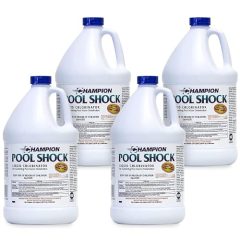 Liquid Chlorine / Sodium Hypochlorite (12.5%)
Everyday sanitizer — the B in BBB View on Amazon →
Liquid Chlorine / Sodium Hypochlorite (12.5%)
Everyday sanitizer — the B in BBB View on Amazon →
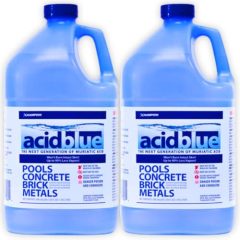 Acid Blue - Low Fume Muriatic Acid for Swimming Pools & Spas - Lower's pH, Reduces Alkalinity - 2 Gallon
View on Amazon →
Acid Blue - Low Fume Muriatic Acid for Swimming Pools & Spas - Lower's pH, Reduces Alkalinity - 2 Gallon
View on Amazon →
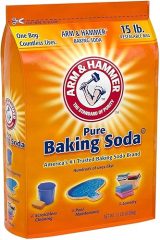 Arm & Hammer Pure Baking Soda (Alkalinity Up)
Raises Total Alkalinity cheaply View on Amazon →
Arm & Hammer Pure Baking Soda (Alkalinity Up)
Raises Total Alkalinity cheaply View on Amazon →
Still need help? Ask a Pool & Spa Expert AD
Get a personalized answer from PoolGuy810 — 30 years owning a pool and spa repair company. Describe your issue and get step-by-step help.
Related Pool Guides
Need More Help?
Try our free pool calculators and tools to help diagnose and fix your pool problems.
Browse Pool ToolsSLAM calculator, pH calculator, salt dosing & more