
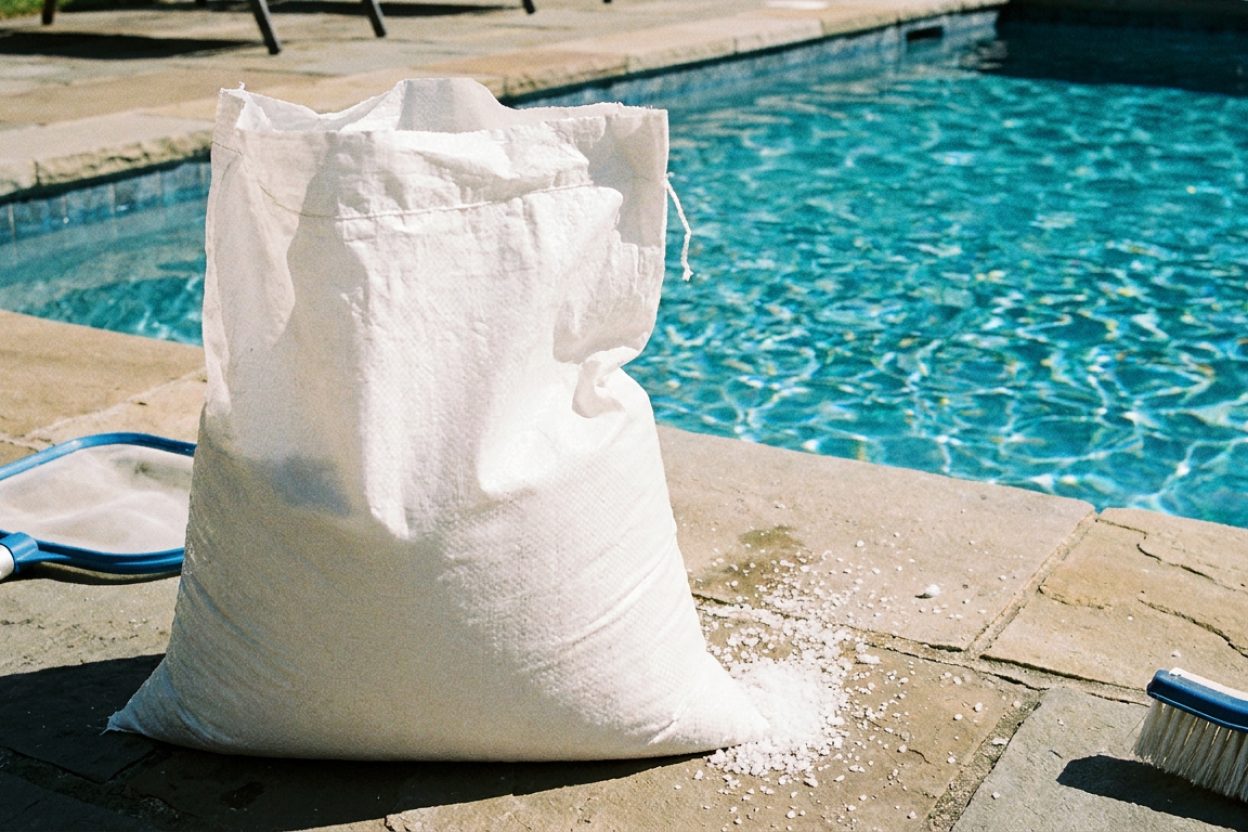
Do Salt Water Pools Freeze? Winter Protection Guide

First winter with salt water pool - do I need to worry about freezing?
Read full question
Between the $800 winterizing quote I just got and hearing horror stories about frozen saltwater pools, I'm wondering if there's anything special I need to know before winter hits.
The pool store told me that salt water systems are different from regular chlorine pools, but they didn't really explain much about winterization.
Do salt water pools actually freeze like regular pools? I've heard conflicting things - some people say the salt prevents freezing, others say it doesn't matter. I want to make sure I'm preparing properly and not going to come back to any nasty surprises in the spring. Any guidance would be really appreciated!
Quick Answer
Yes, salt water pools do freeze, but at slightly lower temperatures than fresh water (around 28-32°F vs 32°F). The salt content provides minimal freeze protection, so proper winterization is still essential. This guide covers how to winterize a salt water pool, including balancing water chemistry, removing and storing the salt cell, draining equipment and plumbing, adding pool antifreeze if necessary, and installing a winter cover.
How Salt Affects Pool Freezing Temperature
Salt water pools typically contain 3,000-4,000 parts per million (ppm) of salt, which is much lower than ocean water at 35,000 ppm. This relatively low salt concentration drops the freezing point by only a fraction of a degree (roughly 0.2-0.3°F at typical pool salinity). To put this in perspective:
- Fresh water: Freezes at 32°F (0°C)
- Salt water pool (3,500 ppm): Freezes at approximately 31.6-31.8°F (about -0.2°C)
- Ocean water (35,000 ppm): Freezes at approximately 28.4°F (-2°C)
This small temperature difference provides virtually no meaningful protection against freeze damage during winter conditions.
Why Freeze Protection is Critical for Salt Water Pools
The salt water generator (SWGSalt Water Generator — The "salt cell" that makes chlorine from the salt in a saltwater pool. Same chlorine — it just makes its own. pool terms →) cell and associated plumbing are actually more vulnerable to freeze damage than traditional chlorine systems. Here's why:
Salt Cell Vulnerability
The electrolytic cell contains delicate titanium plates that can crack or separate when water expands during freezing. A damaged cell typically costs $200-600 to replace and isn't covered under warranty if freeze damage occurs.
Plumbing and Equipment Risks
Salt water is slightly more corrosive than fresh water, and any microscopic weakening of pipes, fittings, or equipment housings becomes catastrophic when water freezes and expands with 9% greater volume.
Proper Salt Water Pool Winterization Steps
Follow these essential steps to protect your salt water pool system:
1. Balance Water Chemistry First
Before winterization, ensure proper chemical balance:
- pH: 7.2-7.6
- Total Alkalinity: 80-120 ppm
- Calcium Hardness: 250-350 ppm for plaster (175-225 ppm for vinyl/fiberglass)
- Free Chlorine: the right level for your CYACyanuric Acid (stabilizer) — Sunscreen for your chlorine — it keeps sunlight from burning it off. The catch: the more you have, the more chlorine you need to keep. learn more → (typically 4-8 ppm for a stabilized outdoor pool with CYA 70-80)
- Salt level: 3,000-4,000 ppm (check manufacturer specifications)
2. Remove and Store Salt Cell
This is the most critical step for salt water pools. Remove or winterize the electrolytic cell before freezing weather (around 32°F); note that cells also stop generating chlorine below about 50-60°F. Clean the cell with a mild muriatic acid solution (1:10 to 1:20 acid to water ratio - always add acid to water, never water to acid, and follow manufacturer specifications for exact ratio) if needed, rinse thoroughly, and store indoors in a dry location.
3. Drain Equipment and Plumbing
Drain all water from:
- Salt water generator housing
- Pool pump and filter system
- Heater (follow manufacturer's instructions)
- All plumbing lines below the frost line
- Skimmer and return lines
4. Add Pool Antifreeze if Necessary
In areas where complete drainage isn't possible, use only non-toxic propylene glycol pool antifreeze. Never use automotive antifreeze. Add approximately 1 gallon per 10 feet of 1.5-inch pipe.
5. Install Winter Pool Cover
A solid safety cover or winter cover prevents debris accumulation and provides additional freeze protection for any remaining water.
Regional Considerations
Mild Winter Climates (Zones 8-10)
In areas where temperatures rarely drop below 32°F, you may keep the system operational but should:
- Run the pump during freeze warnings
- Install a freeze protection device that automatically starts equipment when temperatures approach 36-38°F
- Keep the salt cell installed but turn off chlorine generation below 60°F
Moderate to Severe Winter Climates (Zones 3-7)
Complete winterization is mandatory. The 2-4 degree freeze protection from salt content is meaningless when temperatures regularly drop into the teens or lower.
Common Mistakes That Lead to Freeze Damage
Assuming salt provides adequate freeze protection is the biggest mistake salt water pool owners make. Other critical errors include:
- Leaving the salt cell installed during winter
- Failing to drain the generator housing completely
- Not running pumps during unexpected freeze events in mild climates
- Using automotive antifreeze instead of pool-specific antifreeze
- Inadequate plumbing drainage in equipment areas
Spring Startup Considerations
When reopening your salt water pool, inspect the entire system carefully:
- Check all plumbing connections for leaks
- Inspect the salt cell for any crack damage before reinstalling
- Test and calibrate the salt water generator
- Verify proper salt levels before starting chlorine generation
Remember: Even with proper winterization, temperature fluctuations around the freezing point can cause expansion and contraction that stresses pool components. Regular spring inspections help catch any winter damage early.
For the full breakdown of safe chlorine levels by CYA level, see our pool water chemistry guide, or use our free all-in-one pool calculator to estimate the right free chlorine for your CYA.
 Taylor K-2006C Complete FAS-DPD Pool & Spa Test Kit
The FAS-DPD kit pool pros trust — reads chlorine accurately even at shock/SLAM levels, plus pH, alkalinity, calcium hardness and CYA. View on Amazon →
Taylor K-2006C Complete FAS-DPD Pool & Spa Test Kit
The FAS-DPD kit pool pros trust — reads chlorine accurately even at shock/SLAM levels, plus pH, alkalinity, calcium hardness and CYA. View on Amazon →
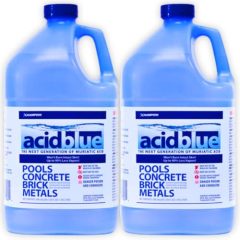 Acid Blue - Low Fume Muriatic Acid for Swimming Pools & Spas - Lower's pH, Reduces Alkalinity - 2 Gallon
View on Amazon →
Acid Blue - Low Fume Muriatic Acid for Swimming Pools & Spas - Lower's pH, Reduces Alkalinity - 2 Gallon
View on Amazon →
Still need help? Ask a Pool & Spa Expert AD
Get a personalized answer from PoolGuy810 — 30 years owning a pool and spa repair company. Describe your issue and get step-by-step help.
Related Pool Guides
Need More Help?
Try our free pool calculators and tools to help diagnose and fix your pool problems.
Browse Pool ToolsSLAM calculator, pH calculator, salt dosing & more